Spanish authorities have raised the death toll from the recent mass migrant crossing into the North African enclave of Ceuta to at least 72, as the European Union prepares emergency talks to address the crisis.
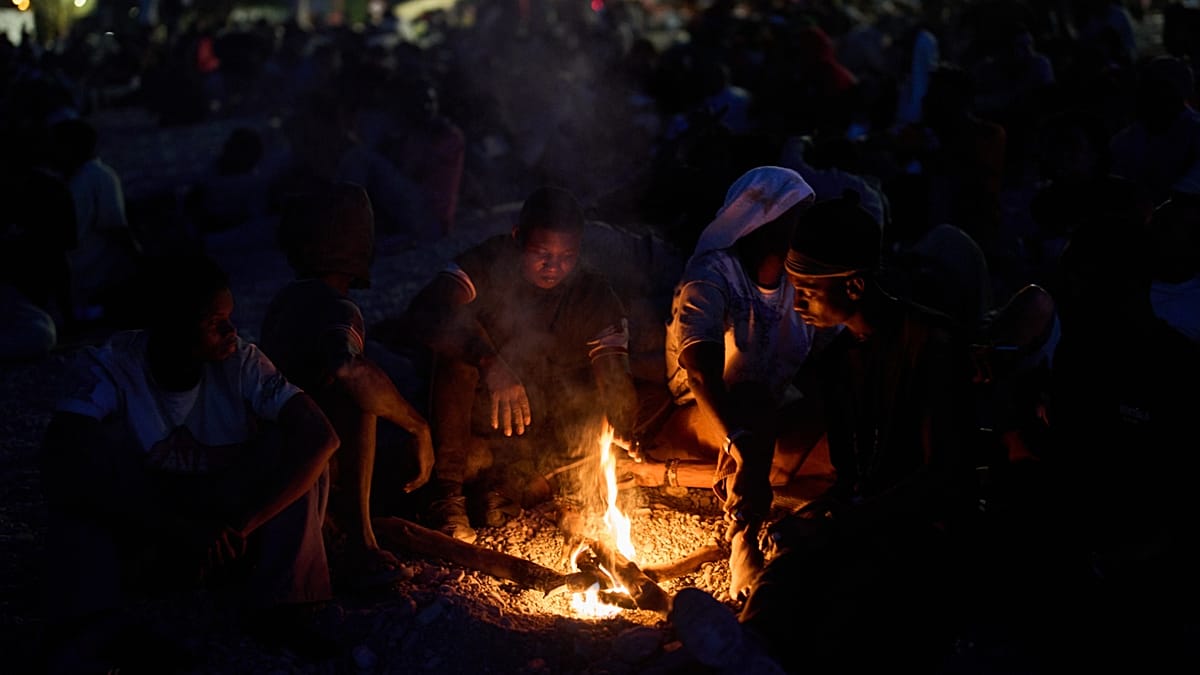
Miguel Ángel Pérez Triano, the Spanish government's delegate in Ceuta, told reporters on Sunday that the latest figure stands at 72, up from an earlier count of 67. The deaths occurred between Wednesday and Friday, when an estimated 60,000 people, most of them swimming, rushed across the border from Morocco in the largest such influx the territory has ever seen.
Morocco's interior ministry later issued a sharply lower toll, saying 11 people had died—ten by drowning and one after falling from a rocky area. The discrepancy underscores the difficulty of verifying casualties in a chaotic event that unfolded over several days.
By Sunday, the streets of Ceuta had largely returned to normal. Spanish police and troops patrolled the area, and most of those who crossed have already returned voluntarily to Morocco within 48 hours. Small groups of migrants, including minors, were still visible in the city. An AFP reporter saw children gathered in a disused industrial park, with some dozing on pavements outside. “All the children here want to go to (mainland) Spain,” said Aziz Dabch, a 41-year-old Moroccan man among the few adults at the site.
Security measures and diplomatic fallout
Spanish naval patrols and inflatable rescue boats scoured the waters near the border barrier, which extends into the Mediterranean and has been reinforced with a new 500-metre floating boom. The Civil Guard escorted groups of migrants back to the border post for return to Morocco, while workers cleared trash and clothing left behind during the rush.
The crisis has triggered a political row within the EU. Twenty-two member states have signed a joint open letter calling for an urgent meeting to agree on a coordinated response and prevent further uncontrolled crossings. The European Commission has scheduled a video call for Tuesday to discuss the situation.
Italy, citing the emergency, has suspended its Schengen agreement with Spain for one month, reinstating border checks on arrivals from the Iberian peninsula. Spanish Prime Minister Pedro Sánchez, in a letter to EU leaders, criticised what he called the “selfish” reaction of some countries, accusing them of using the crisis for political gain. The far-right Vox party has also blamed Sánchez's immigration policies for the surge, though analysts suggest Morocco may have deliberately eased border controls to pressure Madrid over its recent rapprochement with Algeria, Morocco's regional rival.
Spain has pointed to criminal gangs spreading rumours that a recent Supreme Court ruling would make it easier for migrants to stay. Many of those who crossed said they had heard the border was open, a claim amplified on social media.
Pope Leo XIV, in his Sunday prayers, said he was following the situation “with concern” and hoped for a solution of “peace, stability and justice.”
The EU's response will be closely watched, as the bloc grapples with how to balance solidarity with member states on the front line and the concerns of countries wary of uncontrolled migration. For now, Ceuta is calm, but the underlying tensions remain unresolved.