Climate change is reshaping the geography of infectious disease, and a new study warns that Europe could become a significant hotspot for the chikungunya virus. The research, published in Frontiers in Cellular and Infection Microbiology and led by scientists in China, projects that warming temperatures will allow disease-carrying mosquitoes to establish themselves in regions previously too cold for their survival.
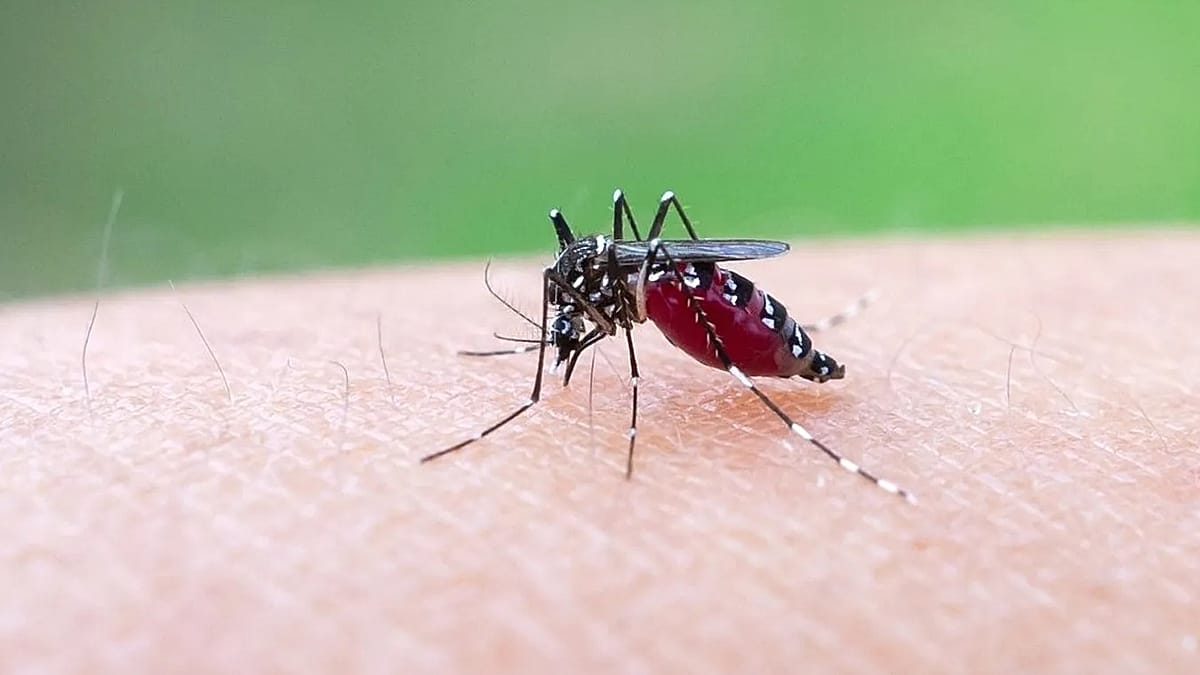
Chikungunya is a viral disease transmitted primarily by the yellow fever mosquito (Aedes aegypti), a species that thrives in tropical urban environments. However, a mutation observed during the 2005–2006 Indian Ocean outbreak enabled the virus to adapt to the Asian tiger mosquito (Aedes albopictus), which tolerates cooler climates. This shift, combined with rising global temperatures, is driving the potential expansion of the virus into temperate zones.
How Warming Accelerates Risk
The study analyzed tens of thousands of geo-tagged records of both mosquito species and the chikungunya virus, then modeled their potential ranges under 16 climate scenarios developed by the UN’s Intergovernmental Panel on Climate Change (IPCC). The results consistently identified north-central Europe, northeastern North America, and eastern Asia as future risk zones.
“Because this mosquito can tolerate cooler conditions better than the yellow fever mosquito, warming may allow it to establish in places that used to be too cold,” said Dr Yang Wu, a co-author of the study. “When suitable mosquitoes become established, the chance of local chikungunya transmission increases.”
Warmer temperatures also accelerate the virus’s development inside the mosquito. At temperatures between 18°C and 28°C, the virus becomes transmissible four to five times faster, significantly raising the likelihood of outbreaks.
Currently, chikungunya is not endemic in Europe or North America; cases in these regions are limited to travelers returning from tropical or subtropical areas. But the study warns that indigenous transmission—where the virus spreads locally without imported cases—could become a reality as mosquito habitats shift northward.
Preparing for a New Public Health Challenge
In 2025, the Pan American Health Organization reported 502,264 chikungunya cases globally, with 186 deaths across 41 countries and territories. The study’s authors stress that this burden is likely to grow under climate change, which is “profoundly altering the distribution patterns of infectious diseases.”
“The public does not need to panic, but health systems should prepare early,” said Dr Ye Xu, another co-author. Proposed measures include enhanced mosquito surveillance, training healthcare workers to recognize chikungunya symptoms, strengthening vector control programs, and establishing rapid-response plans before outbreaks occur.
“These steps are especially important in temperate regions where the disease has not been a routine public-health concern,” Dr Xu added.
The study specifically calls out countries along the identified risk zones—including Germany, the United Kingdom, the United States, China, and Japan—to prioritize pre-emptive vector surveillance and clinical diagnosis training before 2040. For Europe, this means that cities like Berlin, London, and Paris may need to integrate chikungunya preparedness into their public health strategies, even as they continue to manage other climate-related health threats such as record heatwaves.
The findings underscore a broader trend: climate change is not just about rising seas and extreme weather; it is also redrawing the map of infectious disease. As the Asian tiger mosquito becomes established in more of Europe, the continent will need to adapt its health systems to a new reality—one where diseases once confined to the tropics become a local concern.