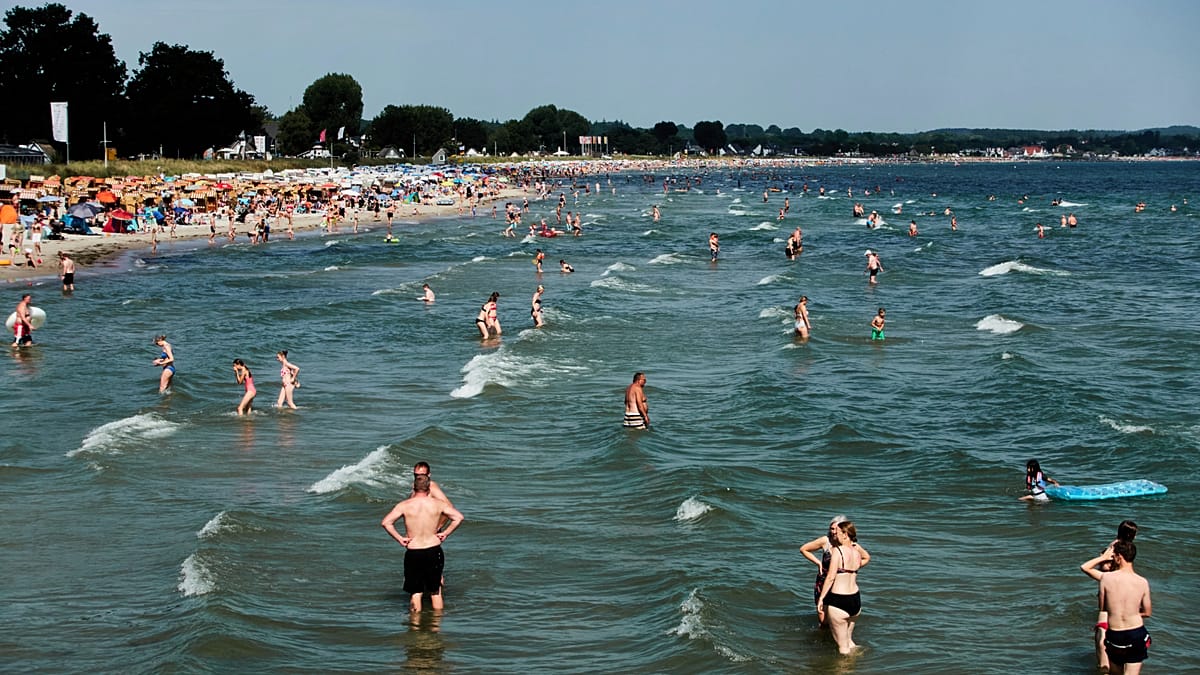
As summer heatwaves push sea surface temperatures to record highs across Europe, a little-known bacterium is drawing attention from public health officials. Vibrio, a waterborne pathogen that thrives in warm, brackish waters, has been linked to a rise in infections along European coasts, particularly in the Baltic Sea region. But how concerned should swimmers and seafood lovers be?
What Is Vibrio and Where Does It Lurk?
Vibrio is a genus of bacteria that occurs naturally in coastal waters where salt and fresh water mix. It flourishes in temperatures above 18°C, making summer heatwaves a catalyst for its proliferation. While most strains are harmless, some—such as Vibrio vulnificus—can cause severe infections, including necrotising fasciitis, a condition often described as “flesh-eating.”
In Europe, the highest concentrations are found in the Baltic Sea, the transitional waters between the Baltic and North Seas, the Black Sea, and areas near large river inflows. According to the European Food Safety Authority (EFSA), extreme weather events over the past two decades have driven a noticeable increase in Vibrio levels, both in seawater and seafood.
How Do Infections Occur?
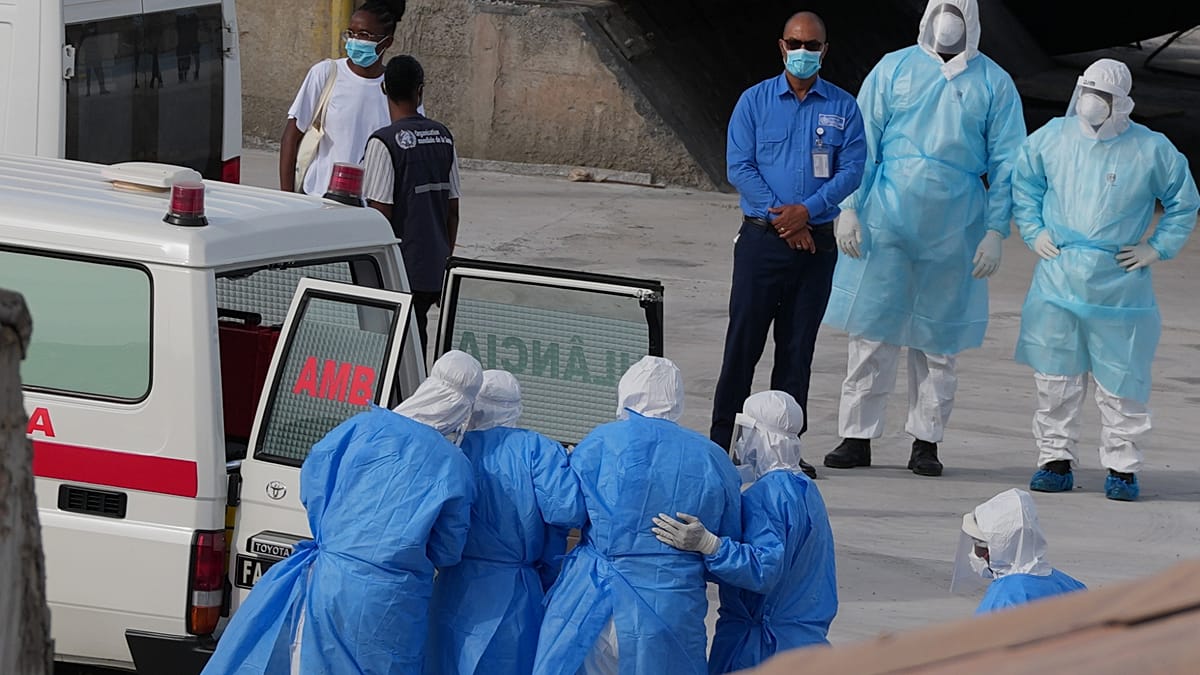
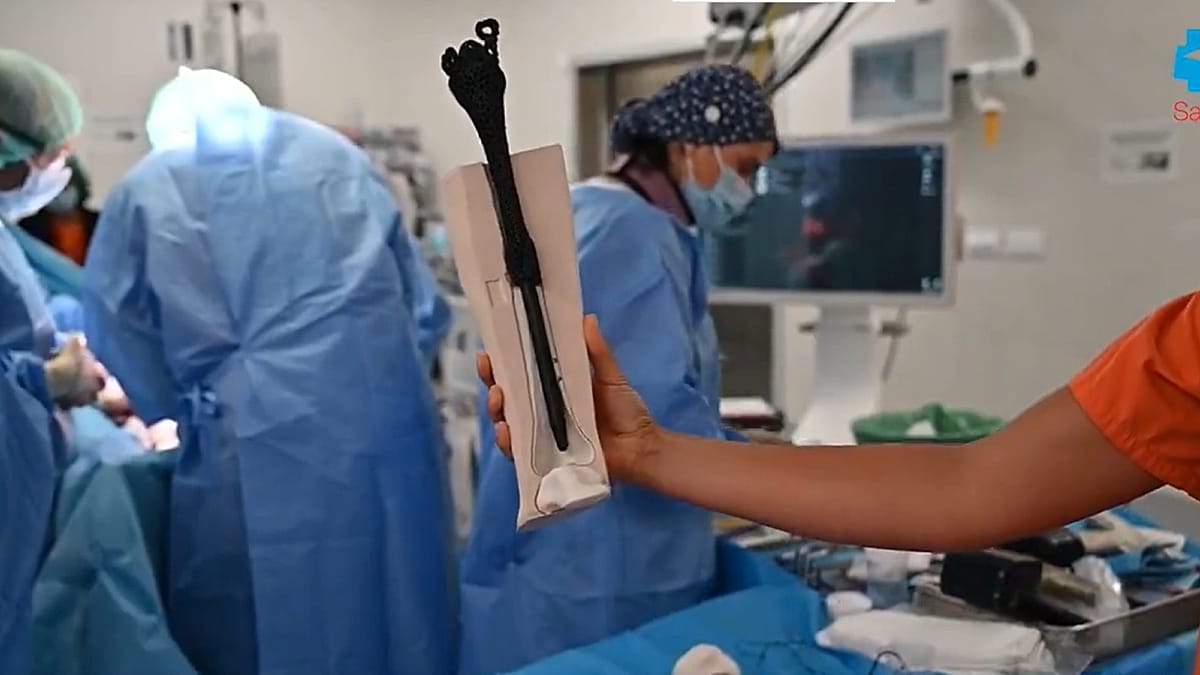
People can contract vibriosis through two primary routes: consuming contaminated seafood—especially raw or undercooked shellfish like oysters—or exposing open wounds to infected water. Symptoms vary accordingly. Foodborne infections typically cause gastrointestinal distress, while wound infections can lead to redness, swelling, and intense pain. In vulnerable individuals, untreated wounds may escalate to bloodstream infections, sepsis, or limb amputations, warns the European Centre for Disease Prevention and Control (ECDC).
Those with weakened immune systems or chronic liver conditions face the highest risk. However, for the general population, the likelihood of a severe outcome remains low.
Are Cases Rising in Europe?
Although Vibrio infections are still relatively rare, the trend is upward. The ECDC reports that northern European countries bordering the Baltic Sea have seen notable increases during summers with prolonged heatwaves. In 2018, 445 cases were recorded across the region—more than triple the annual median of 126 cases between 2014 and 2017. This pattern aligns with broader climate shifts: as rising sea temperatures drive flesh-eating bacteria outbreaks across Europe and beyond, public health authorities are urging vigilance.
Recent data also highlights that flesh-eating bacteria outbreaks have killed over 100 in Europe in two years, underscoring the need for awareness, even if the absolute numbers remain small compared to other health risks.
Practical Precautions
The ECDC recommends avoiding raw or undercooked shellfish, particularly oysters, and ensuring seafood is thoroughly cooked. For those heading to the beach, it is wise to avoid swimming in brackish or salt water if you have an open wound, cut, or recent piercing. Covering wounds with waterproof bandages can also reduce risk.
As Europe grapples with intensifying heatwaves—EDF invests €80 million to cool French schools amid intensifying heatwaves—the connection between climate change and waterborne pathogens becomes harder to ignore. While Vibrio is not a cause for panic, it is a reminder that warmer seas bring new challenges to European public health.
For now, the message from health authorities is clear: stay informed, take simple precautions, and enjoy Europe’s coasts responsibly.