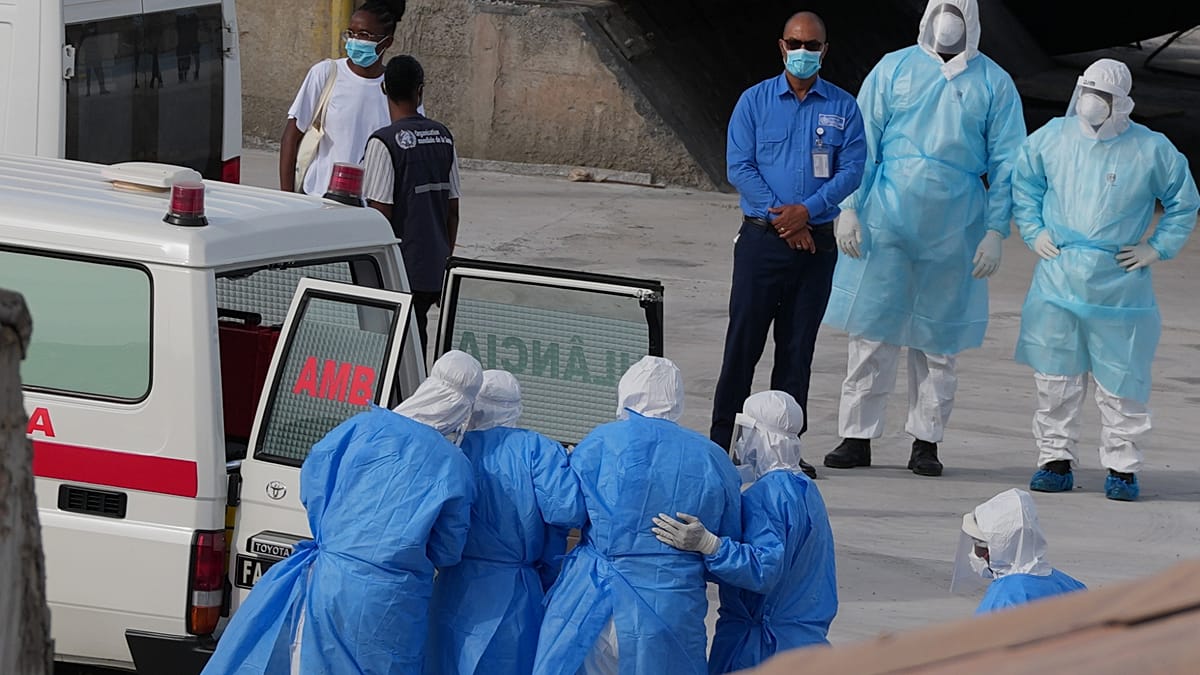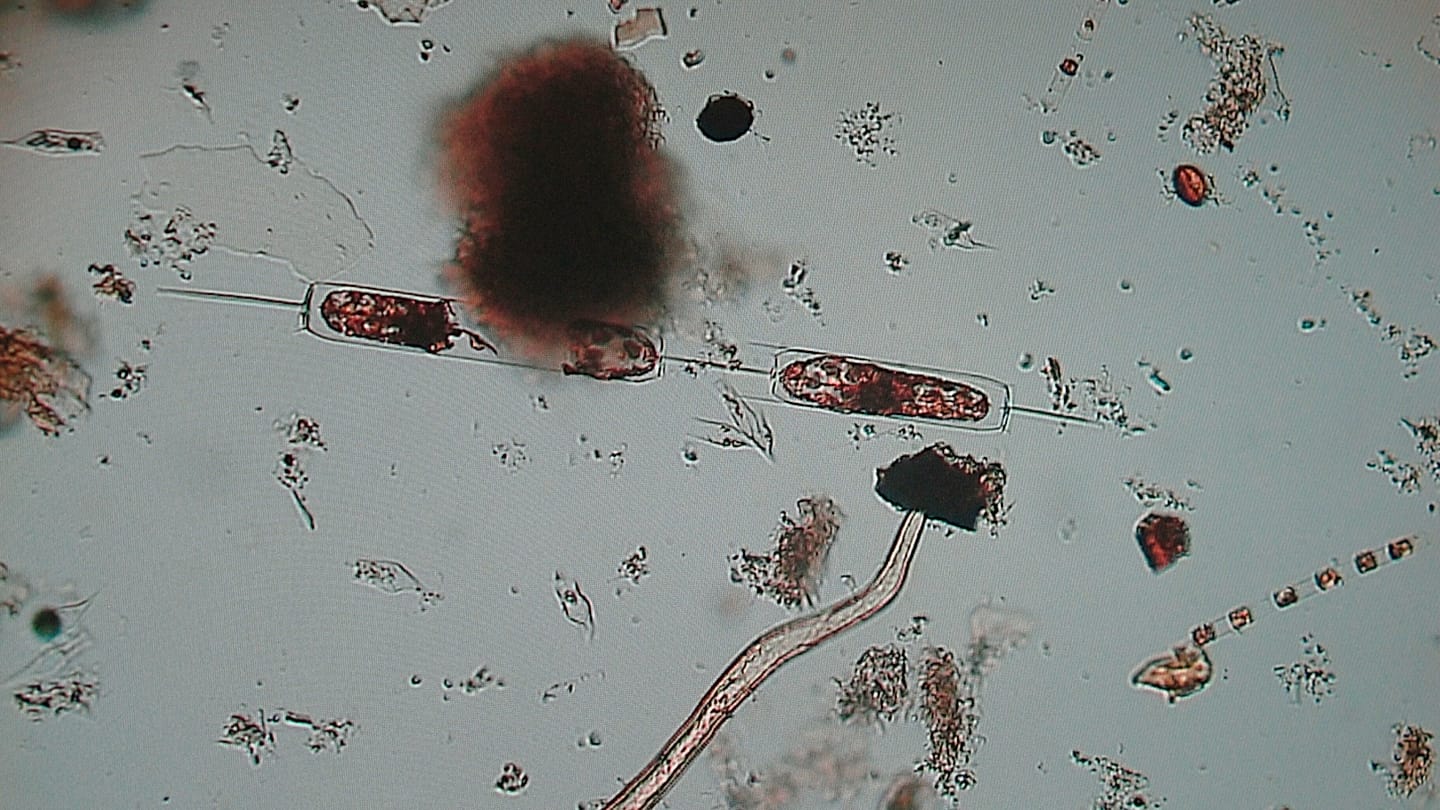
In the past two years, more than 100 people across Europe have died from infections caused by so-called flesh-eating bacteria, with health authorities warning that climate change is accelerating the spread of these pathogens. The two main culprits—Vibrio vulnificus and Group A streptococcus—have been responsible for a series of outbreaks that have alarmed public health officials from the Baltic to the Mediterranean.
Vibrio vulnificus, a bacterium that thrives in warm coastal waters, has been silently killing for decades but is now expanding its reach. In 2026, cases have surged along the Mediterranean coast, particularly in Italy, Greece, and Spain, where sea surface temperatures have risen by up to 2°C above historical averages. The pathogen enters the body through open wounds, causing necrotizing fasciitis—a rapid destruction of soft tissue—that can lead to sepsis and death within days if untreated.
Warming Seas Drive Bacterial Spread
Marine biologists at the University of Barcelona have documented a direct correlation between rising sea temperatures and the prevalence of Vibrio vulnificus in European waters. “The Mediterranean is becoming a more hospitable environment for this bacterium,” said Dr. Elena Rossi, lead author of a recent study. “We are seeing outbreaks in areas where it was previously rare, such as the northern Adriatic and the French Riviera.”
This trend is part of a broader pattern of rising sea temperatures driving flesh-eating bacteria along European coasts, a phenomenon that has prompted the European Centre for Disease Prevention and Control (ECDC) to issue new guidelines for coastal communities. The agency recommends that people with cuts or scrapes avoid swimming in warm seawater, especially during summer months.
Group A streptococcus, another cause of necrotizing fasciitis, has also seen a resurgence across Europe. Outbreaks have been reported in the United Kingdom, Germany, and the Netherlands, with a notable spike in cases among children and the elderly. Unlike Vibrio, Group A strep is transmitted through respiratory droplets or direct contact, making it harder to contain in crowded settings.
Public Health Response and Prevention
National health systems are scrambling to respond. In Italy, the Ministry of Health has launched a public awareness campaign in coastal regions, urging beachgoers to cover wounds with waterproof bandages and seek immediate medical attention for signs of infection, such as redness, swelling, or fever. In Greece, hospitals have stockpiled antibiotics and surgical supplies to treat cases of necrotizing fasciitis, which often requires aggressive debridement of infected tissue.
The European Union has allocated €50 million for research into rapid diagnostic tests and new treatments. The European Medicines Agency is fast-tracking approval of a novel antibiotic that has shown promise against drug-resistant strains of Vibrio vulnificus. Meanwhile, the World Health Organization has classified the spread of flesh-eating bacteria as a “growing threat” in its 2026 global health report.
Despite these efforts, experts warn that the problem is likely to worsen. “Climate change is not just about heatwaves and floods; it is also reshaping the microbial landscape,” said Dr. Markus Schneider, an infectious disease specialist at the Charité hospital in Berlin. “We need to adapt our public health infrastructure to this new reality.”
The tourism industry, a vital economic sector for many Mediterranean countries, is also feeling the impact. Cruise bookings remain robust despite recent onboard health incidents, but local businesses in affected areas report a decline in visitors. In the Spanish region of Andalusia, hotel occupancy rates dropped by 15% in August 2026 compared to the previous year, partly due to fears of bacterial infections.
As Europe grapples with this emerging health crisis, the message from public health officials is clear: vigilance and early treatment are key. For now, the best defense against flesh-eating bacteria is awareness—and a healthy respect for the warming waters that surround the continent.