Medical staff at Ceuta University Hospital have confirmed that at least five migrant girls, all under the age of 14, have been treated for suspected rape in the past week. The patients were among the thousands who crossed into the Spanish north African exclave from Morocco during the mass influx at the end of July. A boy is also believed to have been sexually assaulted, according to medical sources, who caution that the true number may be higher as some victims have not yet come forward.
In total, more than a dozen cases consistent with sexual assault have been treated at the hospital. Spain's National Police have opened an investigation into the alleged rape of one minor who entered Ceuta during the surge. She was taken to hospital, where injuries consistent with assault were detected. No arrests have been reported, and the circumstances of the attacks remain unclear, though judicial sources say several attempted assaults were prevented by local residents.
Doctor describes 'health catastrophe'
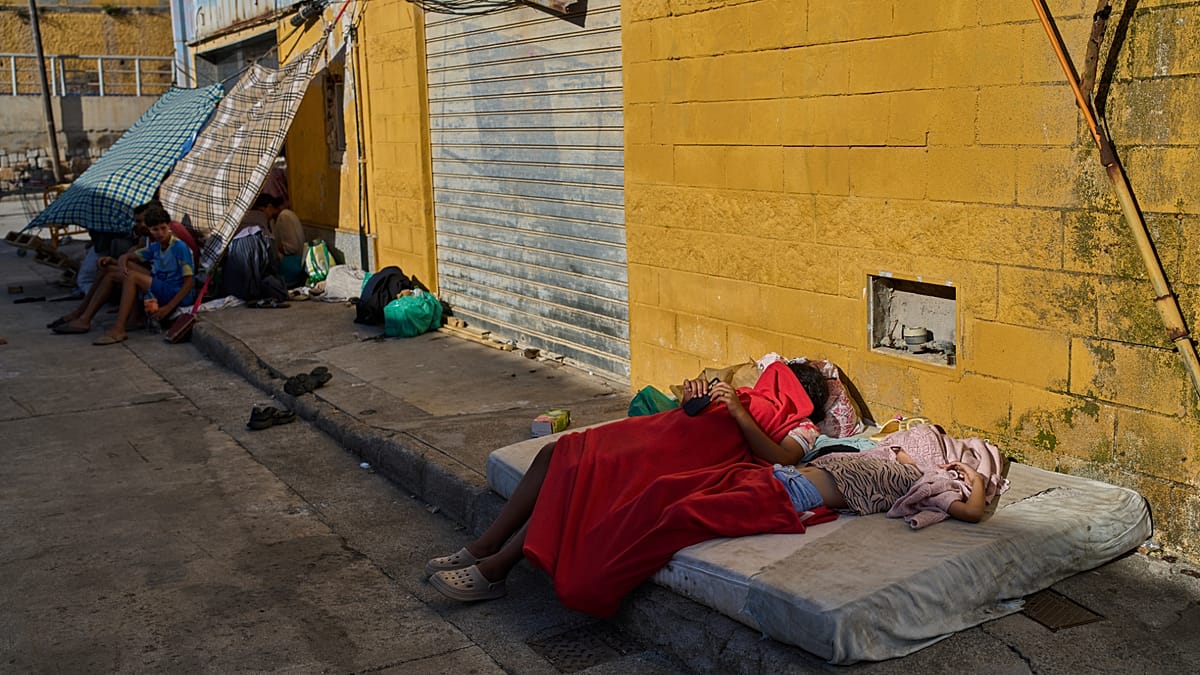
Susana Ascaso, an accident and emergency doctor at Ceuta University Hospital, said her department is treating girls who are living on the streets because reception centres for minors are full. "It is not that they do not want to take them in, there is simply no room for them," she explained. Ascaso described the situation as a "health catastrophe", with her team now seeing between 300 and 400 migrants per day, using the same staff and resources as before the influx.
Once patients are discharged, many have nowhere to go, she added. The doctor also warned of the risk of epidemic diseases such as tuberculosis and hepatitis, which could arrive undetected in an emergency department already stretched to its limits. She has publicly called for extra staff and for Ceuta to be recognised as an area with particularly difficult healthcare coverage.
In the makeshift settlement of Sidi Embarek, where around 300 people are crammed together, the president of the neighbourhood association, Abdellah Mustafa, described scenes similar to those recounted by Ascaso. Some girls arrive in a state of shock after being assaulted in the hills, he said, and many do not report the attacks because of their psychological state. Local residents have brought in a psychologist and a lawyer to support the victims.
Save the Children has warned of the risks faced by migrant girls in Ceuta, including human trafficking and sexual exploitation, largely due to shortcomings in identification, accommodation and support from authorities. Jennifer Zuppiroli, a migration specialist at the organisation, stressed that a teenage girl who is alone and outside the child protection system is in an extremely vulnerable position.
The National Police have prioritised attention to girls and children under 13 in their identification work. Spain's Minister for Youth and Children, Sira Rego, has acknowledged a change in the profile of minors arriving in Ceuta, with more girls and very young children now making up a large share. The ongoing presence of thousands of migrants in the city, including over 860 minors, continues to strain local services.
The influx has also prompted political debate in Brussels, with the European Commission considering new aid for Ceuta after the record surge. Meanwhile, the mayor of Ceuta has urged the EU to deport migrants who entered irregularly, and Spanish media have reported that suspected jihadists may be among the arrivals, adding to security concerns.
Doctors and aid workers say the immediate priority is to protect the most vulnerable, especially unaccompanied girls. "We see raped girls," Ascaso said, "and we cannot send them anywhere." The hospital continues to treat patients with no clear path to safety, while authorities work to identify and support those who have suffered abuse.