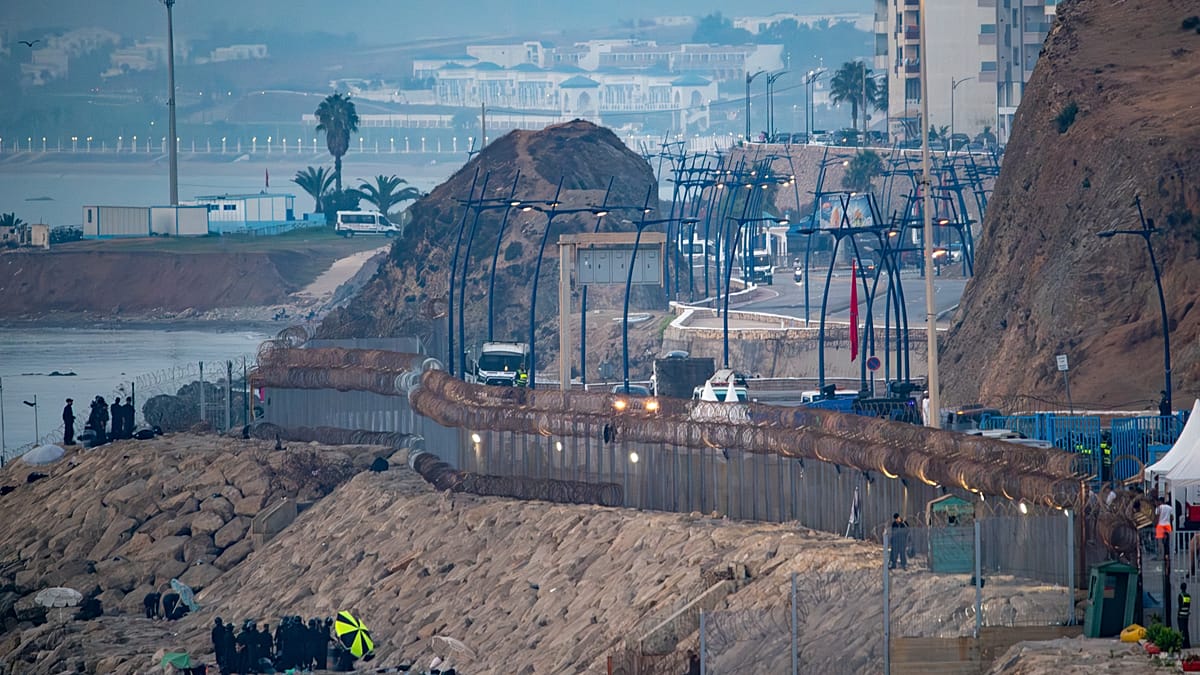
Four days after a mass crossing from Morocco, the Spanish enclave of Ceuta remains in the grip of a humanitarian and administrative crisis. Local authorities estimate that between 3,000 and 5,000 migrants are still in the city, including more than 860 unaccompanied minors, even as security forces report that around 73,500 people have already been returned to Morocco.
The influx, which began last week, has stretched Ceuta's resources to breaking point. The city's president, Juan Vivas, told Spanish media that the situation has not yet returned to normal and that the aftermath is still being managed. He also revealed that between 1,800 and 2,000 people had entered the city by swimming in the days before the main surge, a warning sign that he said underscored the need for stronger border monitoring and better coordination to prevent a repeat.
Minors bear the brunt
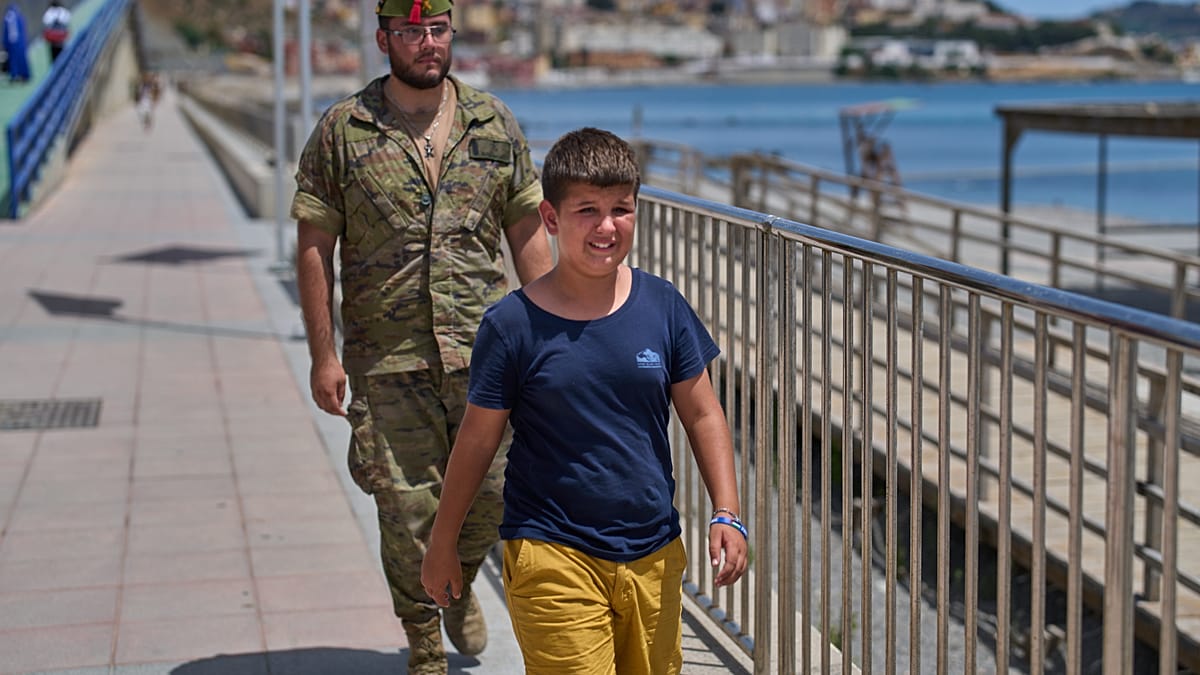
One of the most pressing challenges is the care of 862 minors currently under the city's responsibility. Authorities admit the number could approach 1,000 and that some children may still be on the streets and unaccounted for. Existing shelters are operating far beyond capacity, with the city's 29 standard places for minors now at nearly 3,000% occupancy.
In response, Ceuta is preparing new facilities, including an industrial warehouse in El Tarajal, and has assigned around 250 workers to support the minors. Younger children have been moved to more suitable accommodation, while older teenagers are housed in temporary spaces. Drawing on lessons from the 2021 migration crisis, the local government estimates the final number of minors could reach between 1,000 and 1,100.
The city is also calling on the Spanish state for urgent assistance and additional funding. Vivas has been blunt about the strain, telling El País: “Morocco has shown that it cannot be trusted; we must demand respect from it.”
Residents on edge
The uncertainty has prompted some residents to erect makeshift barriers to restrict access to certain streets, reflecting growing tensions. Local media report isolated incidents and confrontations, including an assault on a resident who refused to give a cigarette. Some young migrants have expressed regret that the actions of a few individuals are tarnishing the image of the wider group.
The crisis has also reignited debates about border policy and European solidarity. As protests in Ceuta expose Spain's border policy rift, the European Union is weighing its response. Ursula von der Leyen has urged tougher EU border controls, while Madrid is pressing for EU solidarity as the crisis tests the bloc's unity.
The death toll, according to Ceuta's authorities, stands at 88, with additional bodies recovered by Moroccan authorities in Moroccan waters. The figures have been disputed, with Morocco's count clashing with Spain's, but the human cost is undeniable.
As Ceuta struggles to cope, the wider European implications are clear. The crisis has exposed the fragility of the EU's external borders and the limits of bilateral cooperation with Morocco. For now, the immediate priority is to stabilise the situation in Ceuta and ensure the safety of the migrants, especially the minors, who remain in limbo.