Rabat has released its first official death toll for last week's mass crossing into the Spanish enclave of Ceuta, reporting 11 fatalities — a figure that stands in stark contrast to the Spanish count of at least 72. The discrepancy has deepened a diplomatic rift within the European Union over how to handle irregular migration at the bloc's southern edge.
According to Rachid El Khalfi, a spokesman for Morocco's interior ministry, ten of the victims drowned and one died after falling from a rocky area. The ministry said it is working with Spanish authorities to verify the numbers and to identify bodies found on Spanish territory.
Conflicting counts and political fallout
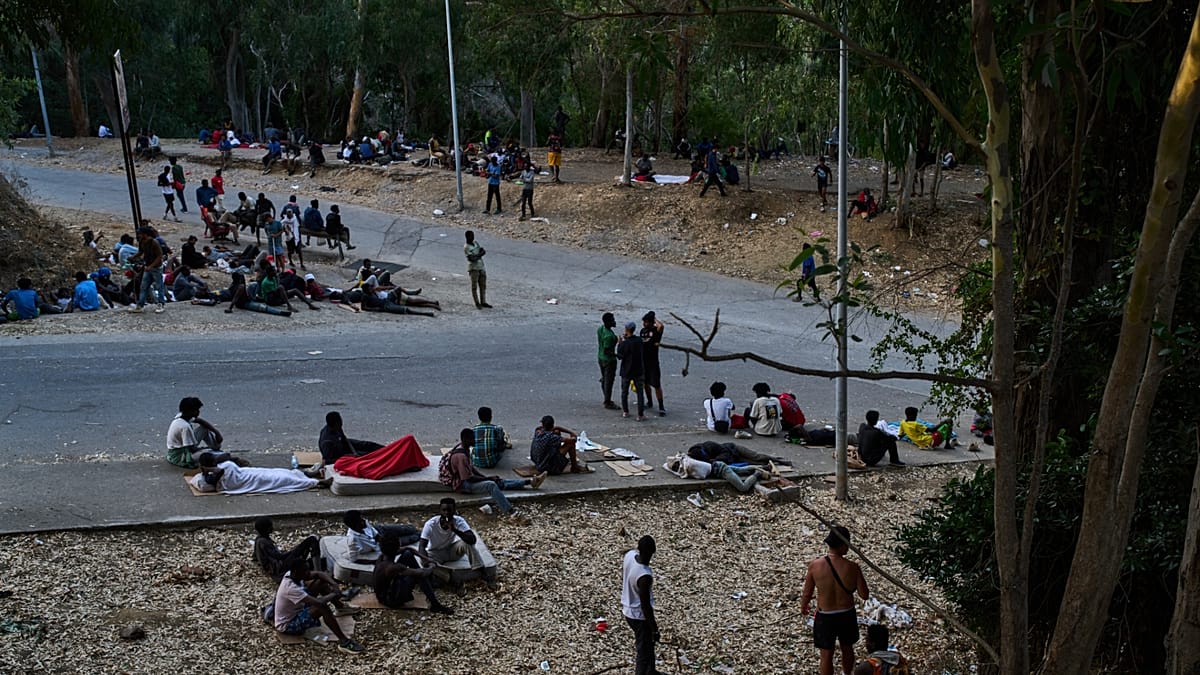
Spain's government has reported that over 60,000 people entered Ceuta between Wednesday and Friday, though most have since been returned to Morocco. Madrid's figure of at least 72 deaths has been cited by Spanish officials and media, but Rabat's new toll suggests a far lower human cost. The Moroccan Association for Human Rights (AMDH) has offered yet another estimate, speaking of "nearly 130 victims" and dozens more missing.
The surge has triggered sharp criticism from several EU member states, with some accusing Spain of lax border enforcement. Italy, for instance, has reinstated border checks on arrivals from Spain, and 22 EU states have demanded emergency talks on the crisis. Spanish Prime Minister Pedro Sánchez has hit back, rebuking EU partners for what he called prejudice and political attacks.
Morocco's interior ministry blamed the sudden influx on the "malicious exploitation" of social media and the "spread of misleading information." It also pointed to "misinterpretations of legal provisions," a reference to a July 8 ruling by Spain's Supreme Court that migrants arriving by sea should not be returned as quickly as those crossing overland. That ruling, according to analysts, may have encouraged more people to attempt the perilous journey.
The ministry reported 40,000 attempts to cross into Ceuta unlawfully, and said that a further 1,135 people tried to enter the other Spanish enclave, Melilla, but were promptly returned to Moroccan territory. Prosecutors have opened an official inquiry into the events, the ministry added.
The human toll remains a point of contention. While Rabat insists on a lower number, Spanish authorities have not publicly revised their own count. The AMDH's higher estimate, if accurate, would make this one of the deadliest episodes in recent memory along the Moroccan-Spanish border.
The crisis has also exposed deeper divisions within the EU over migration policy. Italy has called for suspending the Schengen area in response, while European Commission President Ursula von der Leyen has sought to reassure member states that no migrant from Ceuta reached mainland Spain or the EU. Meanwhile, the enclave itself is cautiously returning to normal, though the political and humanitarian repercussions are far from over.
As the EU debates how to respond, the conflicting death tolls underscore the difficulty of establishing a common narrative — and a common policy — on migration. For now, the focus remains on verifying the facts and preventing further loss of life.