Youth-led demonstrations across Germany on Saturday took a violent turn as night fell, with rioters clashing with police, smashing shop windows, and looting stores in several major cities. The unrest followed largely peaceful afternoon protests against rising living costs, echoing similar scenes seen in France and Italy in recent weeks.
In Berlin, what police described as a youth demonstration of around 3,500 people began at Rosenthaler Platz and moved toward Prenzlauer Berg. The march was joined by pro-Palestinian and anti-fascist groups, some chanting anti-capitalist, anti-Israeli, and anti-German slogans. Flares and firecrackers were set off as the crowd moved through the streets.
Berlin police reported that 27 officers sustained minor injuries and nearly 60 people were arrested. Interior Minister Alexander Dobrindt blamed "left-wing groups and troublemakers from a migrant background" for the riots and called for harsh penalties for those convicted.
Violence spreads across German cities
In Hamburg, rioters built burning barricades and attacked officers with stones, bottles, and fireworks. A police spokesperson said, "Unfortunately, troublemakers have today mingled with the peaceful demonstrators in order to deliberately provoke and commit criminal offences. The police will rigorously pursue the offences identified and exhaust all necessary investigative measures." Around 120 people were temporarily detained, and about 1,300 officers were deployed.
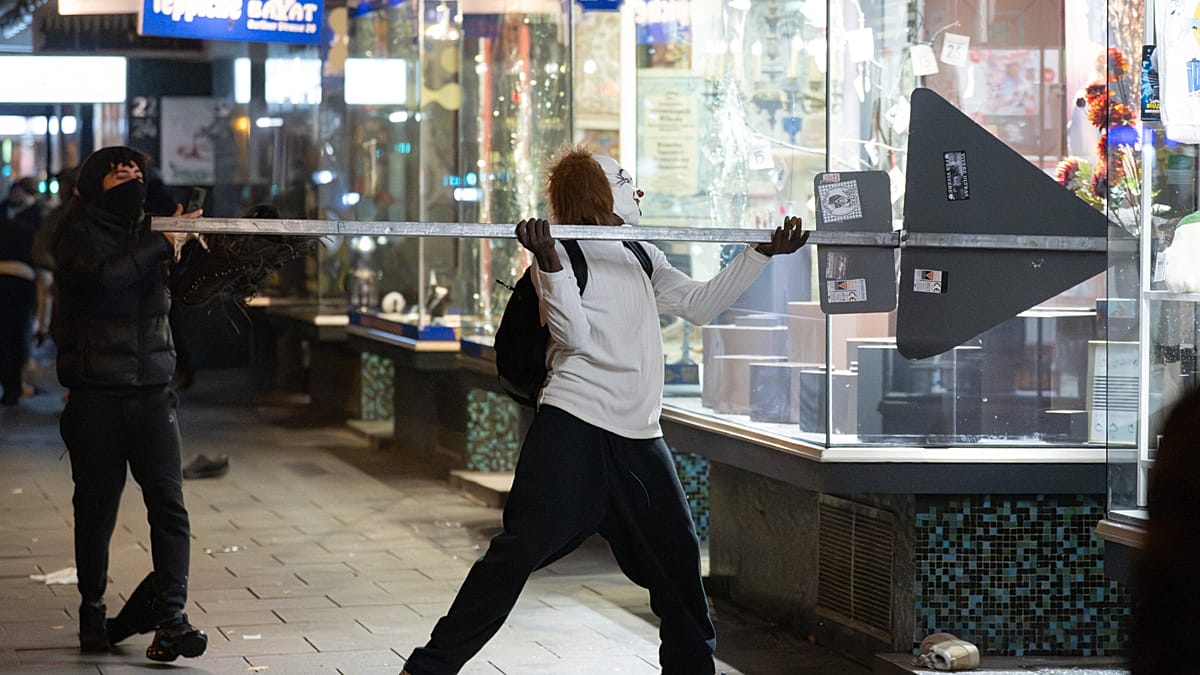
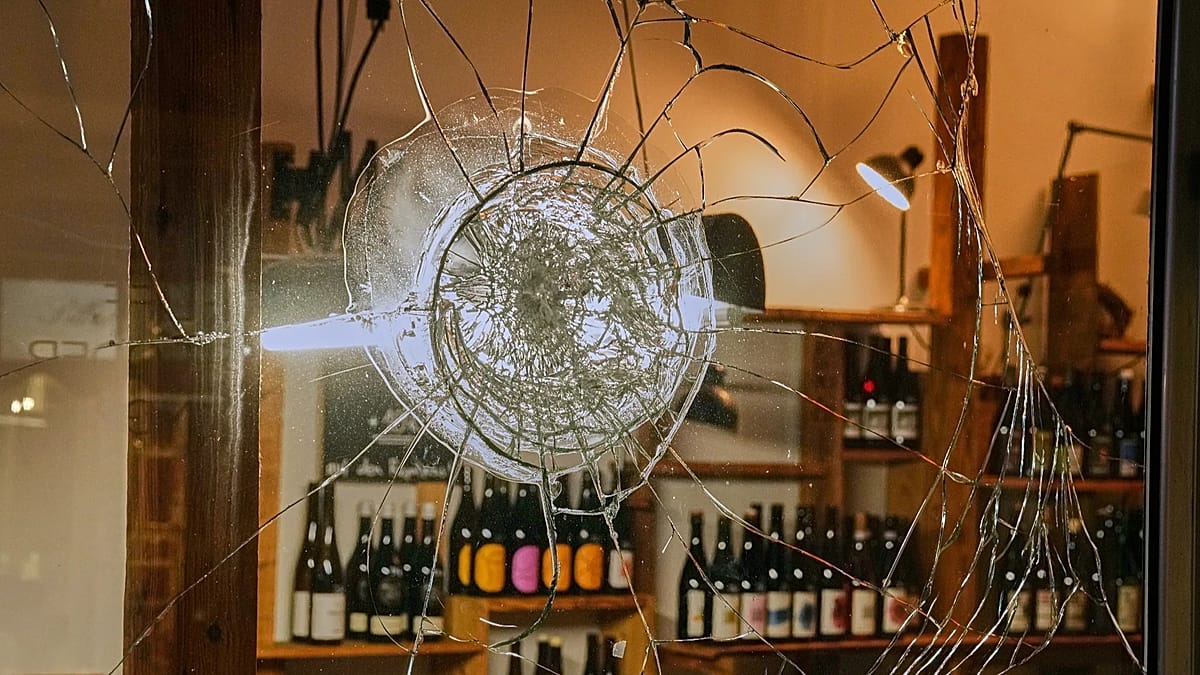
Frankfurt am Main saw some of the most serious rioting and looting. The Zeil shopping street was particularly affected, with rioters smashing windows to gain access to stores. A gun shop was also attacked; police seized two weapons and arrested several suspects. More than 1,000 officers, including special units, were deployed, along with water cannon, armoured vehicles, and a helicopter. Molotov cocktails and other objects were hurled at police. Over 30 people were temporarily arrested, and significant property damage was reported before the situation calmed in the early hours of Sunday.
Around 8,000 people had demonstrated in Frankfurt largely peacefully before the violence erupted. Organisers distanced themselves from the unrest.
In Cologne, a rally was ended at around 4 pm after some participants covered their faces and set off fireworks, and officers were attacked. Police deployed water cannon against the disruptive groups, according to a statement.
The weekend's violence is part of a broader wave of youth-led protests across Europe over living costs and social inequality. Similar demonstrations have turned tense in Italian cities, and French authorities are bracing for further unrest with massive police deployments. The scenes in Germany also recall the violent plans uncovered in Milan earlier this month.
German authorities are now facing questions about how to address the underlying grievances driving young people to the streets, while also dealing with the criminal elements that exploit peaceful protests. The interior minister's comments have sparked debate, with critics arguing that labelling entire groups risks alienating the very communities that are struggling with the cost-of-living crisis.
As cities begin to assess the damage, the political fallout is likely to continue. The protests highlight a generational divide, with many young Germans feeling left behind by rising rents, energy costs, and inflation. Whether the government can respond with meaningful policy changes remains to be seen, but the images of looting and burning barricades will be hard to ignore.