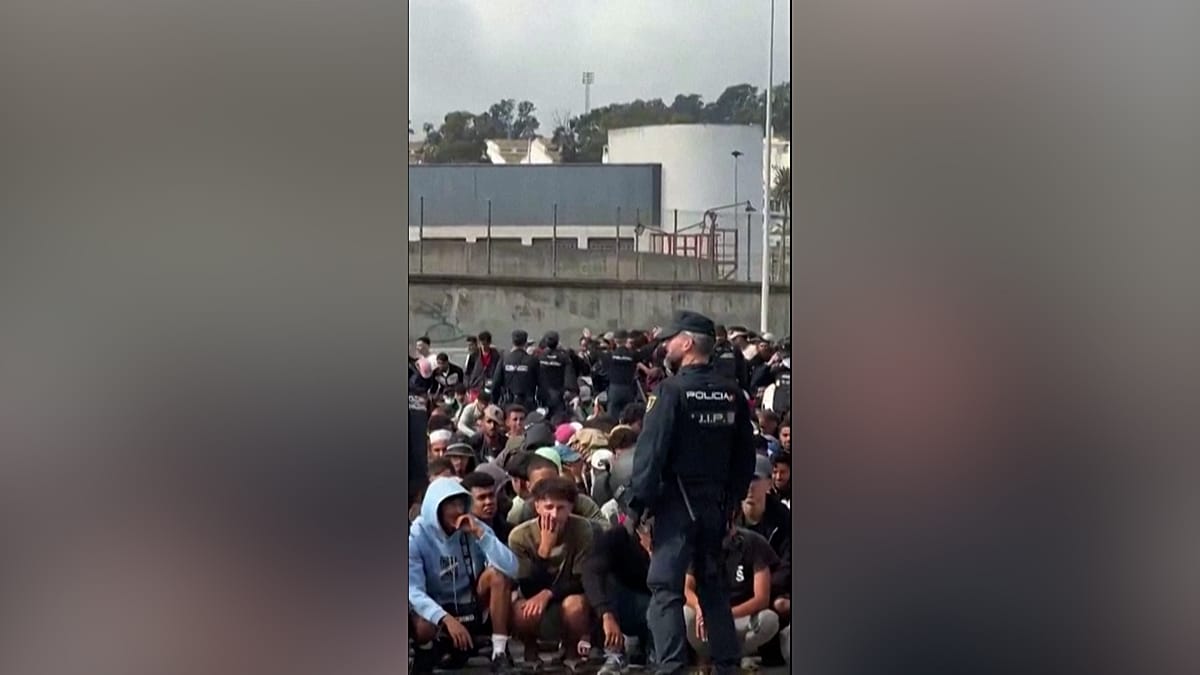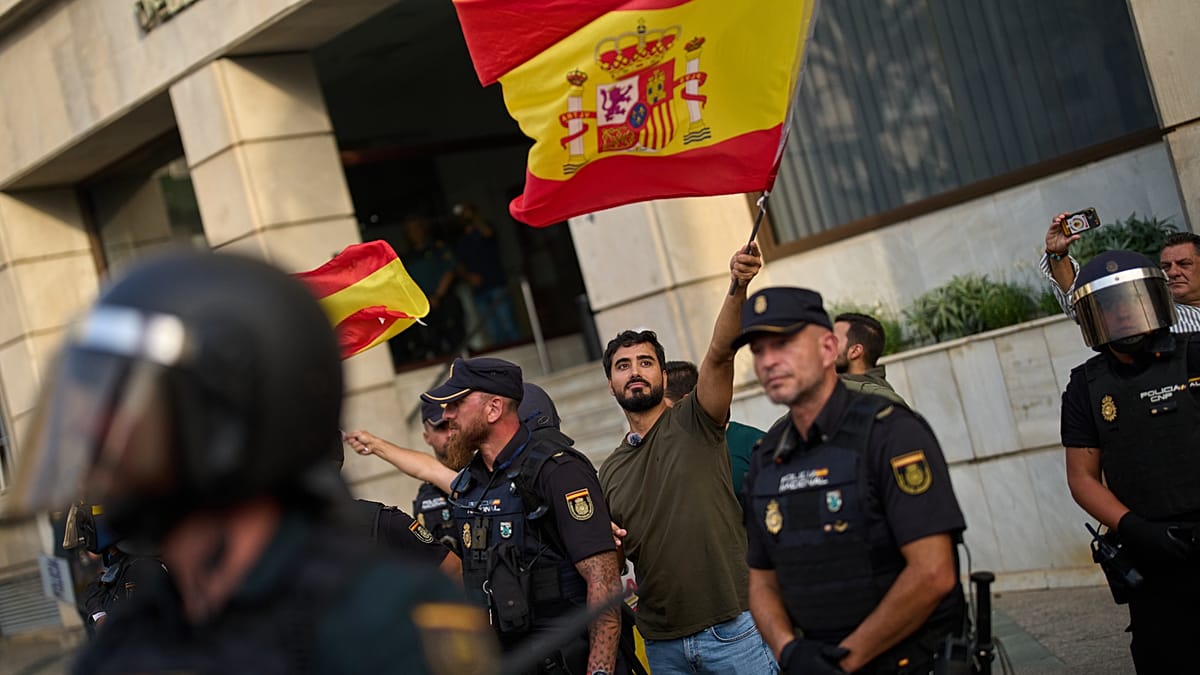
The migration crisis in Ceuta spilled into the streets this weekend, as hundreds of residents gathered in the exclave's Plaza de los Reyes to demand tougher border controls. The protest followed the arrival of tens of thousands of migrants from Morocco last week, an event that has strained local resources and ignited a political firestorm in Madrid.
Organised largely through social media, the demonstration featured chants in defence of the autonomous city and sharp criticism of the Spanish government's handling of the situation. Many speakers argued that the central authorities in Madrid have failed to protect Ceuta's borders or provide adequate support to the local police and military forces.
Tensions escalated with the arrival of far-right figures, including activist Vito Quiles, Alvise Pérez of the Se Acabó La Fiesta party, and members of groups such as Núcleo Nacional. Their presence drew immediate backlash from some attendees and from participants in a parallel counterdemonstration, who accused them of exploiting the crisis for political gain and of stoking ethnic divisions.
Counterprotesters, many of them Ceuta residents of Moroccan origin, gathered in the same square to defend the city's tradition of coexistence and to reject xenophobic rhetoric. For several minutes, the two sides exchanged chants and accusations, though no serious incidents were reported. The atmosphere remained tense but did not escalate into violence.
Police operation and political fallout
The National Police mounted a substantial security operation in response. Officers cordoned off the square and kept the opposing groups separated. Pérez and several members of Núcleo Nacional were escorted to the port, while Quiles left the protest to boos from parts of the crowd.
The protests come as the Spanish government faces mounting criticism over its border policy. Opposition parties have accused Prime Minister Pedro Sánchez's administration of being unprepared and of sending mixed signals to Morocco. The crisis has also reignited debates about the EU's external borders, with some member states calling for stronger Frontex involvement and others urging a more humanitarian approach.
Local authorities in Ceuta have pleaded for additional resources, noting that the exclave's infrastructure is ill-equipped to handle such large influxes. The mayor's office has requested emergency funding from the central government, while also calling for a long-term strategy to address the root causes of migration from North Africa.
The European Union has been watching the situation closely. EU officials are weighing new border measures in response to the surge, though any changes are likely to be contentious. European Commission President Ursula von der Leyen has urged tougher border controls, while also stressing the need for solidarity among member states.
Meanwhile, Spain has demanded EU solidarity as the crisis tests the bloc's unity. The Spanish government has called for a common European approach to migration, arguing that no single country can manage such pressures alone. However, divisions remain between southern member states, which bear the brunt of arrivals, and northern countries that are more reluctant to share the burden.
The human cost of the crisis has also come under scrutiny. Spain's official death toll stands at 72, but Morocco has disputed this figure, claiming only 11 deaths. The discrepancy has added to the confusion and has been seized upon by critics of the Spanish government's handling of the situation.
For now, the streets of Ceuta have returned to an uneasy calm. But the underlying tensions remain unresolved. The protests have laid bare a deep divide between those who see migration as a threat to the exclave's identity and security, and those who insist that Ceuta's multicultural character is its strength. As the political debate continues in Madrid and Brussels, the people of Ceuta are left to navigate the immediate aftermath of a crisis that has tested their resilience.