European Union interior ministers are set to convene in Brussels on Tuesday to weigh reintroducing stricter internal border controls across the bloc, a direct response to the migrant surge that overwhelmed the Spanish enclave of Ceuta last week. The meeting underscores how a single event on the EU's southern periphery can ripple through the continent's core policy of passport-free travel.
The crisis began when thousands of migrants, many of them young Moroccans, crossed into Ceuta from Morocco after Rabat appeared to loosen border enforcement. Spanish authorities reported that around 8,000 people entered the enclave in a single day, stretching local reception capacities to breaking point. The influx has since subsided, but the political fallout continues to reverberate from Madrid to Berlin.
Schengen under strain
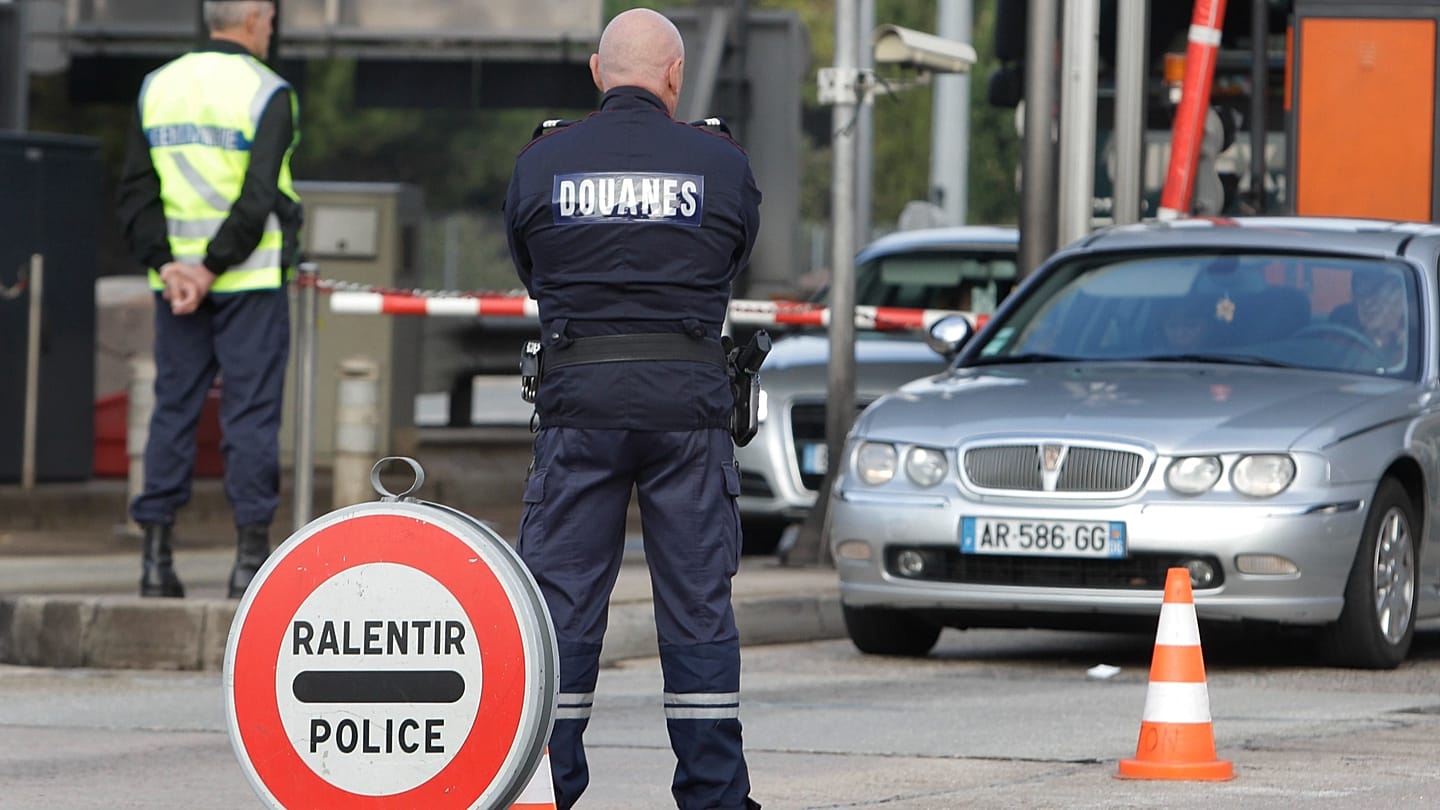
The Schengen Area, which allows more than 400 million Europeans to travel without passport checks, has faced periodic suspensions since the 2015 migration crisis. Now, the Ceuta episode has revived calls for a more permanent mechanism to reintroduce border controls when external pressures spike. Several ministers, particularly from northern member states, have expressed support for a coordinated approach rather than ad hoc national decisions.
According to diplomatic sources, the European Commission is expected to present options that would allow member states to temporarily close internal borders with minimal notice, provided they justify the move on security or public health grounds. Critics argue that such a system would institutionalize the erosion of free movement, a cornerstone of European integration.
"We cannot let a single incident dictate the future of Schengen," said a senior EU official, speaking on condition of anonymity. "But we also cannot ignore the reality that external borders are not always secure." The official added that any decision would require balancing solidarity with national sovereignty.
The debate comes as Spain demands EU solidarity in managing the aftermath, with Prime Minister Pedro Sánchez calling for a unified European response to migration challenges. Sánchez has faced domestic criticism from the far-right Vox party, whose leader Santiago Abascal blamed the government for the surge, a claim that has further polarized Spanish politics.
Meanwhile, the human cost of the crisis remains contested. Spain's official death toll stands at 72, but Morocco has reported only 11 fatalities, a discrepancy that has fueled mutual recriminations. The conflicting counts have complicated efforts to establish a shared understanding of the events, with human rights groups calling for an independent investigation.
Italy has already taken unilateral action, reinstating border checks on arrivals from Spain in a move that some see as a harbinger of a fragmented Europe. Italian Interior Minister Luciana Lamorgese defended the decision, citing the need to monitor secondary movements of migrants who might attempt to travel onward from Spain.
The European Commission has urged member states to avoid unilateral measures, warning that a patchwork of border controls would undermine trust and economic integration. However, the political pressure is mounting, particularly in countries where anti-immigration sentiment is strong.
Beyond the immediate security concerns, the crisis has exposed deeper questions about the EU's relationship with Morocco, a key partner in migration management. Rabat has denied any deliberate policy shift, but analysts suggest that the border opening may have been a signal of displeasure over Spain's decision to host Brahim Ghali, leader of the Polisario Front, for medical treatment. That diplomatic spat has further complicated efforts to restore normalcy.
As the ministers gather, the focus will be on finding a balance between security and solidarity. The outcome could set a precedent for how the EU handles future shocks, from pandemics to geopolitical crises. For now, the situation in Ceuta is returning to normal, but the political aftershocks are far from over.
Observers note that the debate over internal border checks is not merely technical but existential. "Schengen is a symbol of what Europe is," said a former EU commissioner. "If we start dismantling it piecemeal, we risk losing the very idea of a united continent." The coming weeks will reveal whether the EU can turn this crisis into an opportunity to strengthen its external borders while preserving internal freedoms.