Just days after Abelardo de la Espriella was sworn in as Colombia's president, the country's security forces have carried out their first major operation under his administration, killing six members of armed groups in the northwestern department of Antioquia. The new leader, a far-right figure who campaigned on a promise to confront drug trafficking and guerrilla violence head-on, described the strikes as a deliberate message to criminal organizations.
In a statement, de la Espriella said the operation was intended to show that there is no refuge for criminals when the state is determined to act. He added that he had given law enforcement agencies specific instructions to carry out operations that were previously held back by the administration of his predecessor, Gustavo Petro.
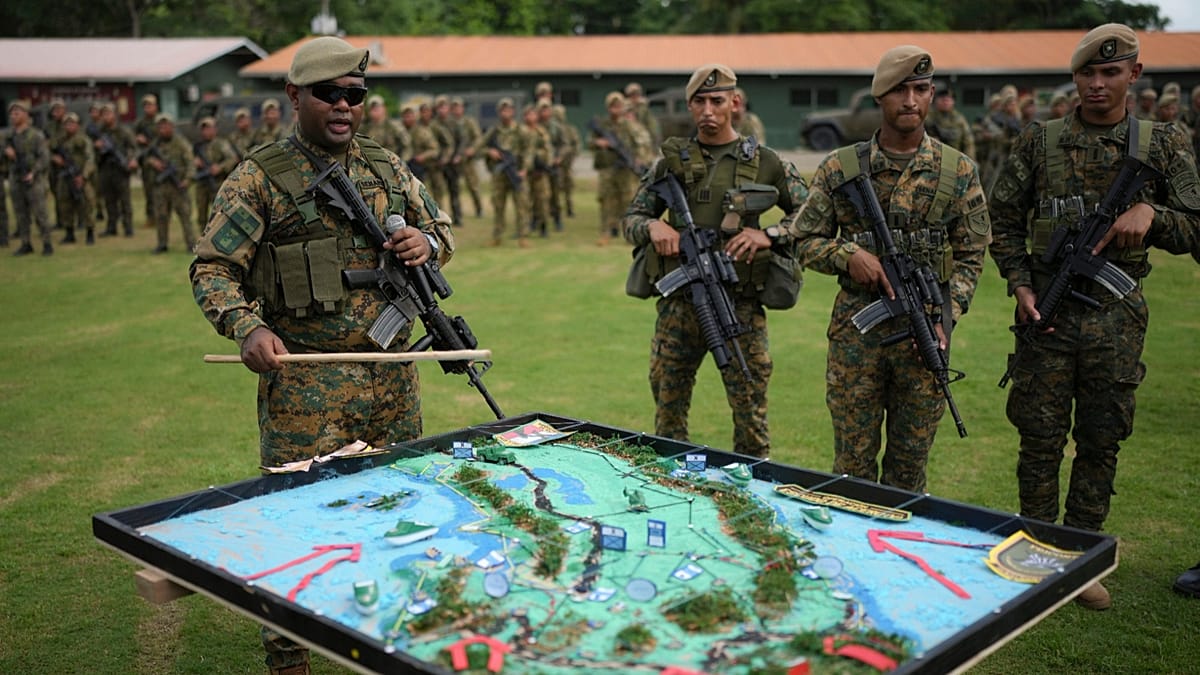
The six killed on Sunday include four members of a splinter faction of the former FARC guerrilla group and two members of the Gulf Clan, Colombia's main drug cartel. The operation took place in Antioquia, a region long affected by violence linked to drug trafficking and illegal mining.
A hardline shift in security policy
De la Espriella's inauguration was itself a statement of intent. The ceremony was held in Cali, a city in the southwest known for high crime rates, rather than in the capital Bogotá. In his first days in office, he has outlined plans to build mega-prisons similar to those in El Salvador and to increase airstrikes against guerrilla and narco-trafficking groups.
The new president's approach marks a sharp departure from the peace-focused policies of his predecessor. During his campaign, de la Espriella promised to confront what he called 'narcoterrorism without truce', a phrase that has resonated with voters frustrated by rising violence across the country.
Colombia is currently experiencing its worst wave of violence in a decade, with clashes between armed groups, drug cartels, and state forces displacing thousands of civilians. The government's new strategy is being closely watched by international partners, including the United States, which has pledged significant security aid to support the new administration's efforts.
However, the escalation of military operations raises questions about the prospects for peace negotiations and the protection of civilian populations in conflict-affected areas. Human rights organizations have previously warned that aggressive military tactics can lead to civilian casualties and further instability.
On Saturday, de la Espriella's first full day in office was marred by two separate bombings. One attack left at least one police officer dead and several people wounded. In another incident, FARC dissidents used explosives to destroy a highway tollbooth near Cali, injuring two security guards, according to Colombia's army.
The new government's security strategy will be tested in the coming months as it seeks to assert control over territories long dominated by illegal groups. The international community, including European nations with strong ties to Colombia, will be watching closely to see whether the hardline approach yields lasting results or exacerbates the cycle of violence.