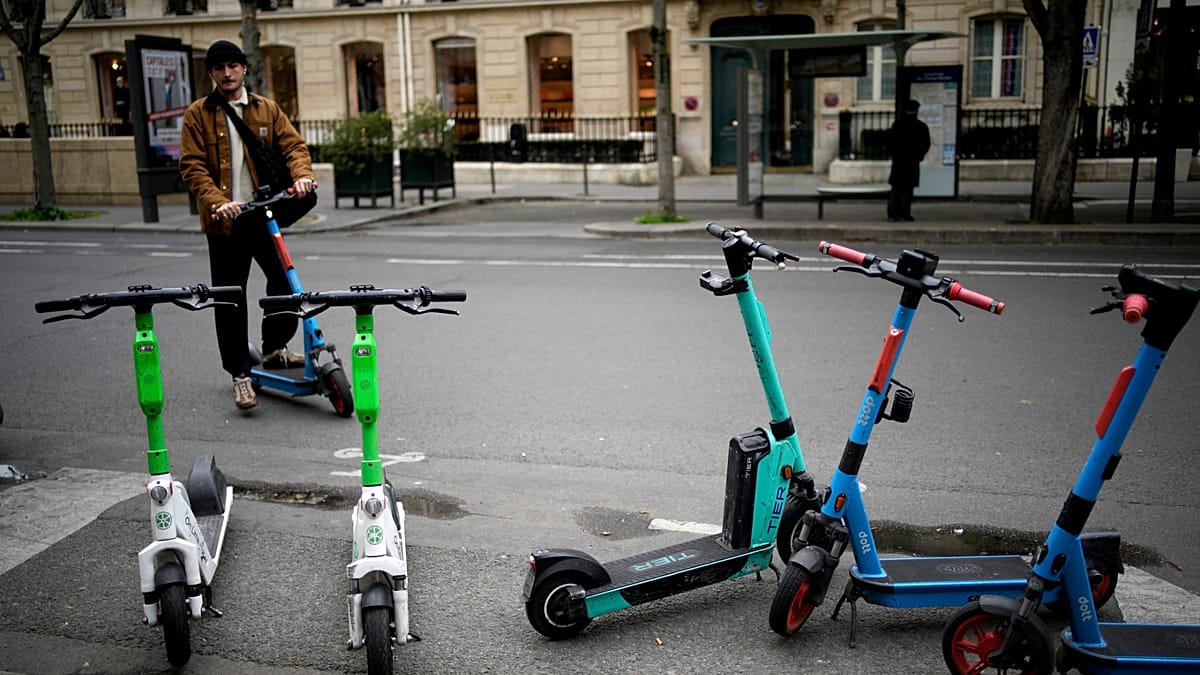
Paris is tightening enforcement of safety rules for electric scooters, Segways, and electric skateboards, responding to a steady increase in accidents involving these devices. Since 7 August, riders in the French capital must wear a helmet and reflective gear, with police launching targeted checks across the city.
Under the new order, those caught without a helmet face a €135 fine, while missing reflective gear costs €35. The measures aim to curb a worrying trend: according to the Paris police prefecture, 136 personal injury accidents involving rideables have been recorded since January, a 12% rise compared with the same period last year.
Police cite rising accident numbers
Hélène Denéchère, a spokesperson for the prefecture, stressed that rideables are the only category of road users in Paris where personal injury accidents are increasing. "This is therefore the only category of road users in Paris for which personal injury accidents are on the rise," she said, adding that while some riders already comply, others view the rules as an added burden. She emphasized that "wearing a helmet reduces the severity of these accidents."
The enforcement comes amid broader debates across Europe about how to integrate micromobility safely. In other capitals, similar concerns have prompted regulatory action, though approaches vary. For instance, Denmark's recent crackdown on AI misuse in schools shows a different kind of regulatory tightening, but the underlying theme of adapting rules to new technologies resonates.
Mixed reactions from riders
Public opinion in Paris remains divided. Some riders acknowledge the necessity of the gear, even when caught without it. Pierre Thoribé, who was stopped without a helmet, admitted: "It's perfectly natural for me to have a helmet, which I don't have today… It's exceptional. I forgot my helmet."
Software developer Igor Monteiro, who already wears head protection, praised the enforcement: "I think it's very good. It's normal if you want safety. I've always used it... To me it's normal." He added that he was unaware of the new rules.
Tattoo artist Youssef Mourgui urged fellow users to consider the risks, sharing a stark warning from a hospital worker: "He told us he gets loads of people coming in, every time with their skulls smashed. There are even some now who are in wheelchairs." Mourgui concluded: "Not because of the police, but honestly, it's better for our health to wear a helmet."
Critics argue for personal freedom
Others see the fines as excessive. One female scooter rider called the €135 penalty for missing a helmet "a bit expensive," adding that users are getting "used to it now with everything that's going on."
Cyclist Romaric Bouton voiced a broader libertarian objection: "I think it's better to let people be free and do what they want. If they have an accident afterwards, that's just tough luck for them." He argued against paternalistic measures: "We're not going to start holding everyone's hand and forcing them to wear a vest, a helmet, just because there are so many accidents every year. After that, we're no longer free to do what we want."
The debate in Paris echoes similar discussions in other European cities. As electric short-haul flights could take off in Europe by 2030, regulators are grappling with how to balance innovation and safety across transport modes. For now, Paris has chosen a stricter path, betting that mandatory gear will reduce the toll on its streets.