Infineon, Germany's largest chipmaker, said on Tuesday that the rapid expansion of AI data centres would not slow down despite growing resistance in the United States, and predicted that the backlash would likely spread to other countries.
The company, which supplies power-management chips used in these facilities, reported a 12% rise in revenue for its fiscal year ending in September and forecast sales growth of 20% in the current year, driven by AI infrastructure demand.
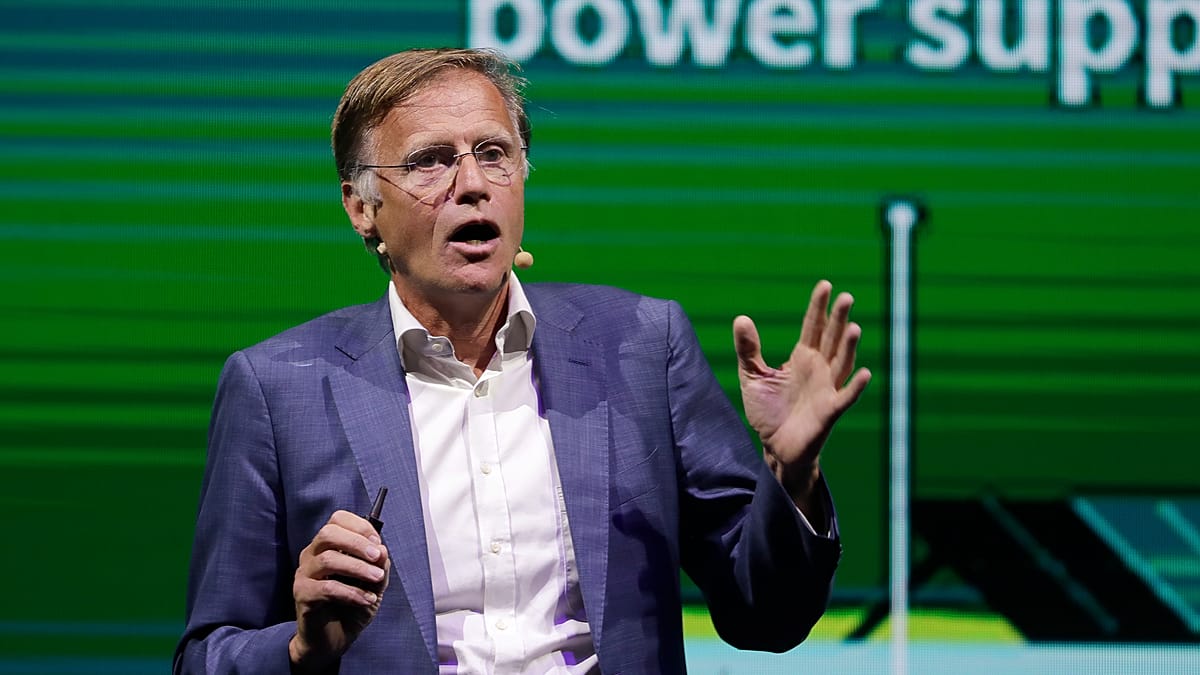
CEO Jochen Hanebeck acknowledged the "growing debates about expanding AI infrastructure" during an earnings call, but described the opposition as "rather American-centric." He noted that concerns are voiced by people living near data centres, but pointed out that "around the globe there are many regions that are very sparsely populated."
Hanebeck suggested that operators and US hyperscalers would find suitable locations outside the United States, possibly in other countries where AI data centres can be built. "I believe the expansion of data centres will diversify on a regional basis. I believe that is a good trend," he said.
The comments come amid increasing opposition in the US, where many Democratic winners in the recent midterm elections campaigned on curbing data centre projects. The political shift has already affected AI firms, and similar concerns are emerging in Europe.
European resistance grows
In Europe, campaigners have demanded a freeze on new data centres, citing energy consumption and environmental impact. Activists have staged protests at sites in Switzerland and the Netherlands, and Greenpeace recently unfurled a banner at a Swiss data centre site.
Despite these concerns, Hanebeck remains confident that demand for AI infrastructure will persist. "The operators of these data centres and the American hyperscalers will find areas that aren't necessarily all located in the United States," he said, suggesting that Europe could become a beneficiary of this diversification.
Infineon does not manufacture AI processors like Nvidia's, but its chips are essential for delivering electricity from the grid to the data centres. The company's outlook reflects a broader belief among chipmakers that the AI boom is far from over, even as market jitters have hit the sector.
Hanebeck's remarks also echo those of other industry leaders who see AI infrastructure as a long-term growth driver. Some US wealth managers share this view, despite the political headwinds.
For Europe, the question is whether the continent can balance its climate goals with the energy demands of AI. The debate is likely to intensify as more data centres are proposed, and as governments grapple with the trade-offs between technological leadership and sustainability.