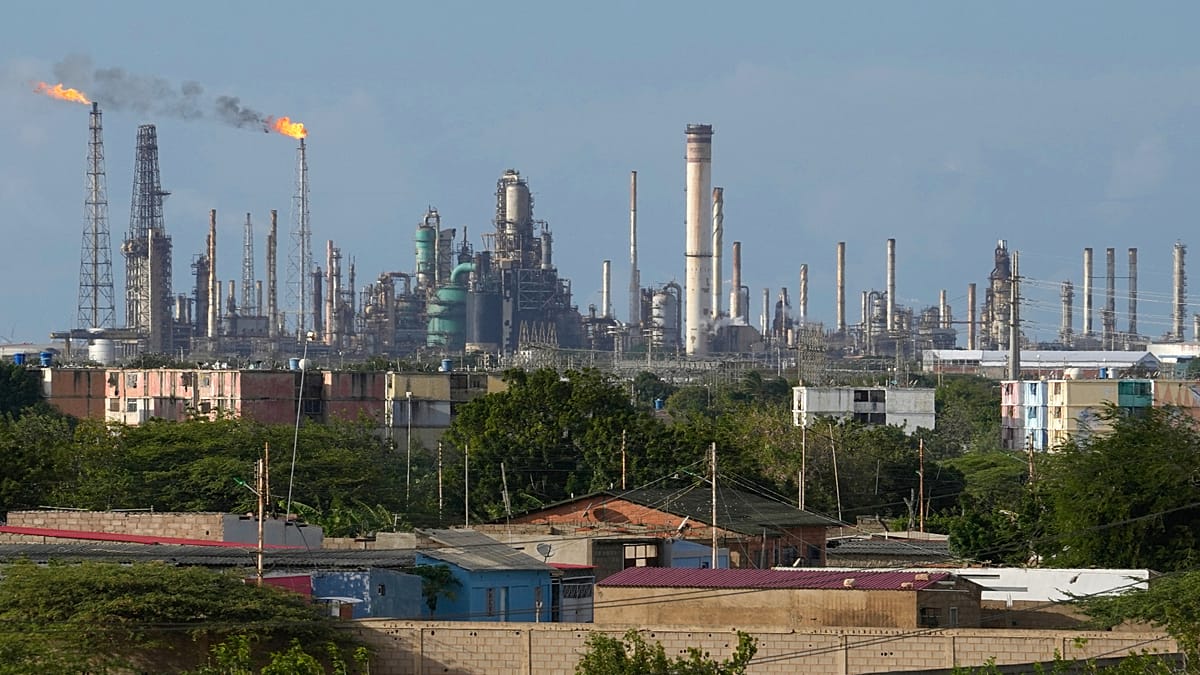
Oil prices extended their decline on Tuesday morning, as traders continued to bet that diplomatic efforts between Washington and Tehran could bring an end to the seven-month-old conflict in the Middle East. Brent crude slipped 1.31% to $91.36 a barrel, while the US benchmark West Texas Intermediate fell 1.59% to $85.47.
Both contracts have now lost roughly a fifth of their value this month, reflecting growing optimism that the war—which has stoked inflation and forced central banks, including the European Central Bank, to keep interest rates elevated—may be winding down. For European households and businesses, a sustained drop in energy prices would offer some relief after months of elevated costs.
Positive momentum, but caution remains
US President Donald Trump said on Monday that there was "positive momentum" toward ending the war, following a White House meeting with Qatar's Prime Minister Sheikh Mohammed bin Abdulrahman bin Jassim Al Thani. In a post on Truth Social, Trump described the conversation as "excellent," adding that "much was discussed with respect to the Islamic Republic of Iran."
Expectations had grown ahead of last week's midterm elections that the president might resume strikes on Iran this month. However, Trump has since talked down such a move while leaving the door open. In his Monday post, he reiterated that the United States was "locked and loaded," but that further strikes were "quite unlikely" given that key Gulf allies "would prefer the status quo."
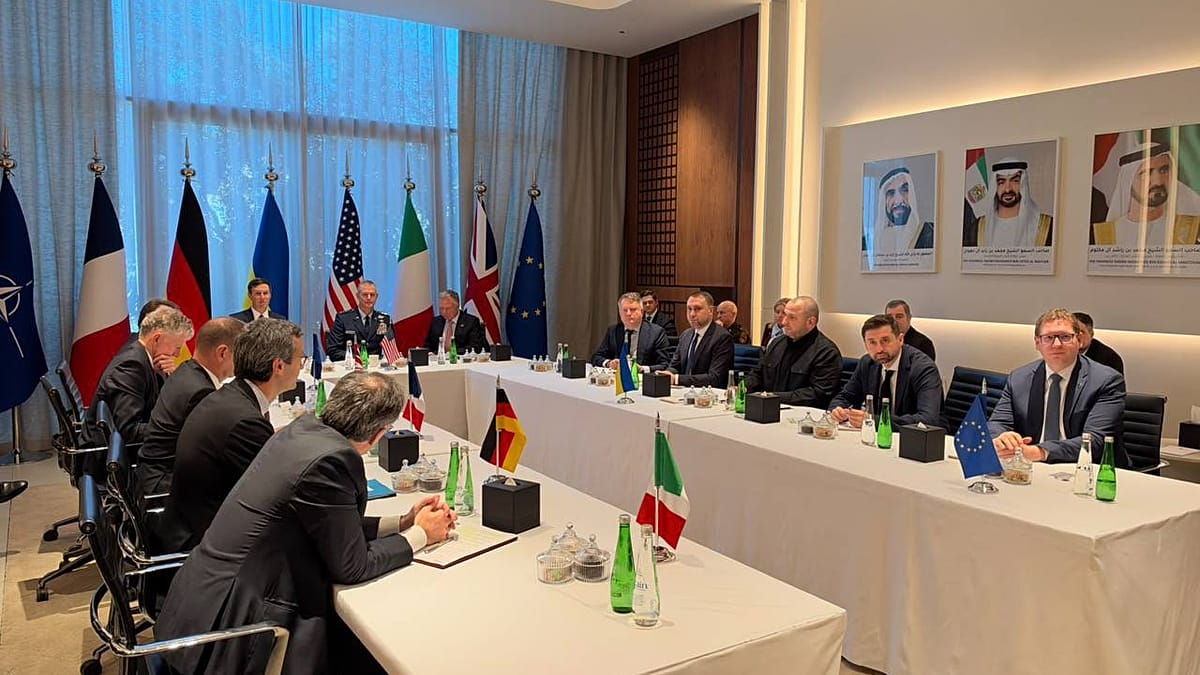
The diplomatic track is not limited to the US-Iran axis. European governments have been seeking a more unified voice in broader regional talks, including those on Ukraine. EU participation in Abu Dhabi talks has been a focal point, as Brussels tries to coordinate its position alongside Washington and other actors.
Meanwhile, the prospect of a trilateral summit involving Trump, Russian President Vladimir Putin, and Chinese leader Xi Jinping has been floated, with Iran and denuclearisation on the agenda. Such a meeting, if it materialises, could have significant implications for global energy markets and European security.
For now, the market's reaction is clear: investors are pricing in a higher probability of de-escalation. The sharp drop in crude prices has already begun to feed through to European pump prices. In Portugal, for example, fuel prices have fallen sharply, though a tax adjustment has trimmed some of the relief for consumers.
Yet analysts caution that the situation remains fragile. The conflict has already caused significant disruption, and any breakdown in talks could quickly reverse the recent declines. The upcoming COP31 summit in Antalya is expected to be overshadowed by energy security concerns, as delegates grapple with the intersection of climate policy and geopolitical instability.
For Europe, the stakes are high. The continent relies heavily on imported energy, and the war has exposed vulnerabilities in supply chains. A durable peace would not only ease inflationary pressures but also allow governments to focus on longer-term energy transitions. However, as the talks continue, European leaders are mindful that their own interests must be represented. Europe's quest for a seat at the table reflects a broader desire to shape outcomes that affect the continent's economic and strategic future.
In the immediate term, the oil market's optimism is palpable. But with negotiations still in flux, the path to a final agreement remains uncertain. Investors and policymakers alike will be watching closely for any signs of progress—or setback—in the coming days.