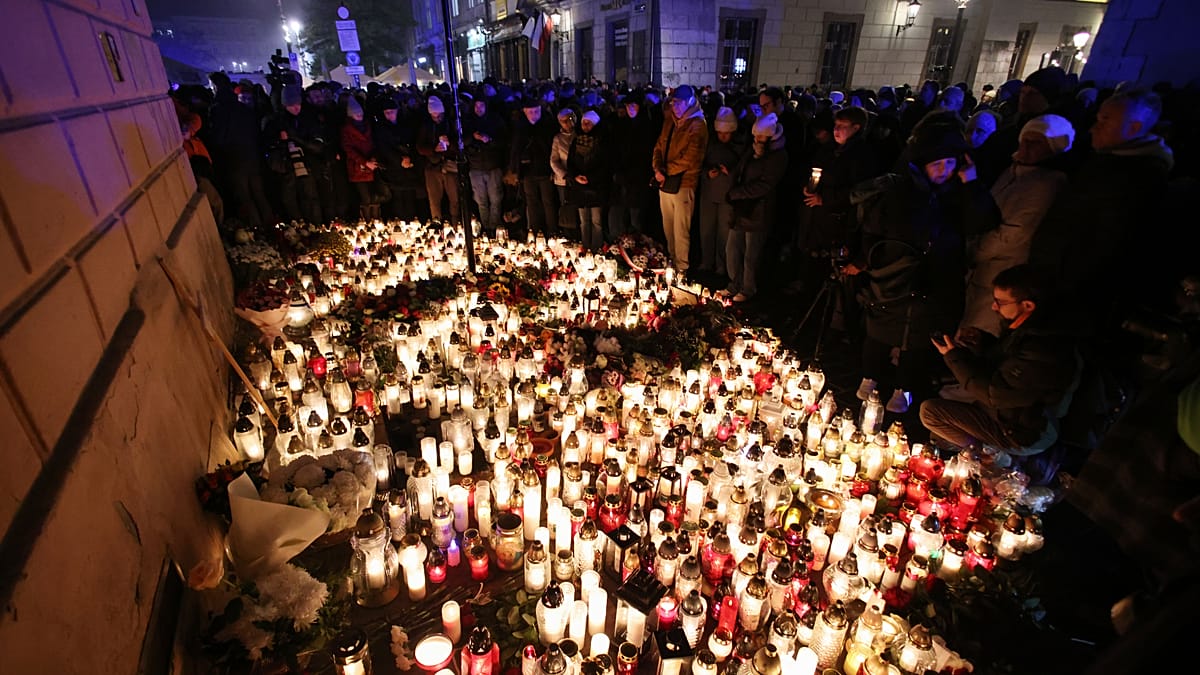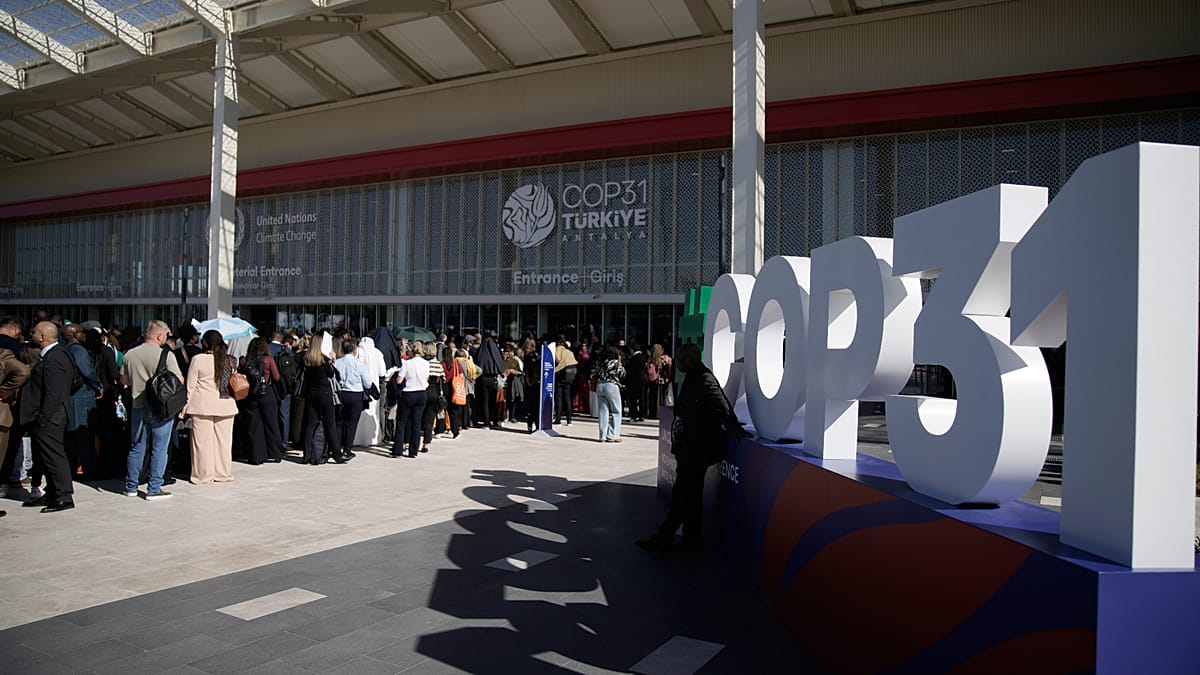
Delegates from nearly 200 countries have converged on the Turkish Mediterranean city of Antalya for the 31st Conference of the Parties (COP31) to the UN Framework Convention on Climate Change. The summit opened on Monday against a backdrop of extreme weather that has battered Europe and beyond over the past year, from blistering heatwaves across southern Europe to catastrophic flooding in central and eastern parts of the continent.
But this year's talks are unfolding under an additional, unexpected shadow: the war in Iran. The conflict has disrupted global energy supplies, sending oil and gas prices on a volatile ride and forcing governments to rethink short-term energy security. That tension is likely to shape negotiations in Antalya, where the imperative to cut emissions will compete with the immediate need to keep the lights on.
Europe's dual challenge: ambition and energy security
For the European Union, the stakes are particularly high. The bloc has positioned itself as a global leader on climate action, enshrining a target of climate neutrality by 2050 in law and rolling out the Fit for 55 package to slash emissions by 2030. Yet the Iran war has exposed how quickly geopolitical shocks can upend even the most carefully laid plans. European energy ministers have already held emergency meetings to discuss contingency measures, and some member states are quietly revisiting plans to phase out nuclear power or extend the life of coal plants.
The host city, Antalya, sits on Turkey's southern coast, a region that has itself suffered from intense wildfires and drought in recent years. Turkey, a candidate for EU membership and a key player in regional energy transit, has been positioning itself as a bridge between Europe and the Middle East. Its role as COP31 host is seen by Ankara as an opportunity to burnish its climate credentials, though critics point to its continued reliance on coal and its slow progress on renewable energy deployment.
Among the key issues on the agenda is climate finance, particularly for developing countries bearing the brunt of extreme weather. A recent report highlighted that health systems receive just 1% of climate finance, even as climate-related health emergencies multiply. The UN's climate chief has warned that global warming is now a health emergency on a pandemic scale, a message that will resonate in Antalya as delegates debate how to scale up adaptation funding.
Divisions over fossil fuels and finance
Negotiators face familiar fault lines. Many developing nations are demanding that wealthy countries deliver on their pledge of $100 billion per year in climate finance, a promise that has been met only partially. Meanwhile, the phase-out of fossil fuels remains contentious. Last year's COP30 in Belém produced a landmark agreement to transition away from coal, oil and gas, but implementation has been uneven. The Iran conflict has given some governments a pretext to slow down, arguing that energy security must come first.
European delegates are expected to push for a robust outcome that reaffirms the fossil fuel phase-out while acknowledging the need for short-term stability. But they will also have to navigate internal EU divisions, with some member states more dependent on Russian gas than others and still reeling from the energy price spikes of 2022. The war in Ukraine, now in its fourth year, continues to reshape Europe's energy map, accelerating the shift to renewables but also exposing vulnerabilities.
Outside the negotiating halls, Antalya has become a stage for protest and advocacy. Environmental groups are demanding faster action, pointing to the deadly heatwaves that swept across Spain, Italy and Greece last summer, killing thousands. They argue that the climate crisis is no longer a distant threat but a present emergency, and that COP31 must deliver concrete commitments rather than vague promises.
As the talks get underway, one thing is clear: the intersection of climate and security will be impossible to ignore. The war in Iran has reminded the world that energy transitions do not happen in a vacuum. For Europe, the challenge is to maintain its climate leadership while safeguarding its energy supply — a balancing act that will be tested in Antalya and beyond.