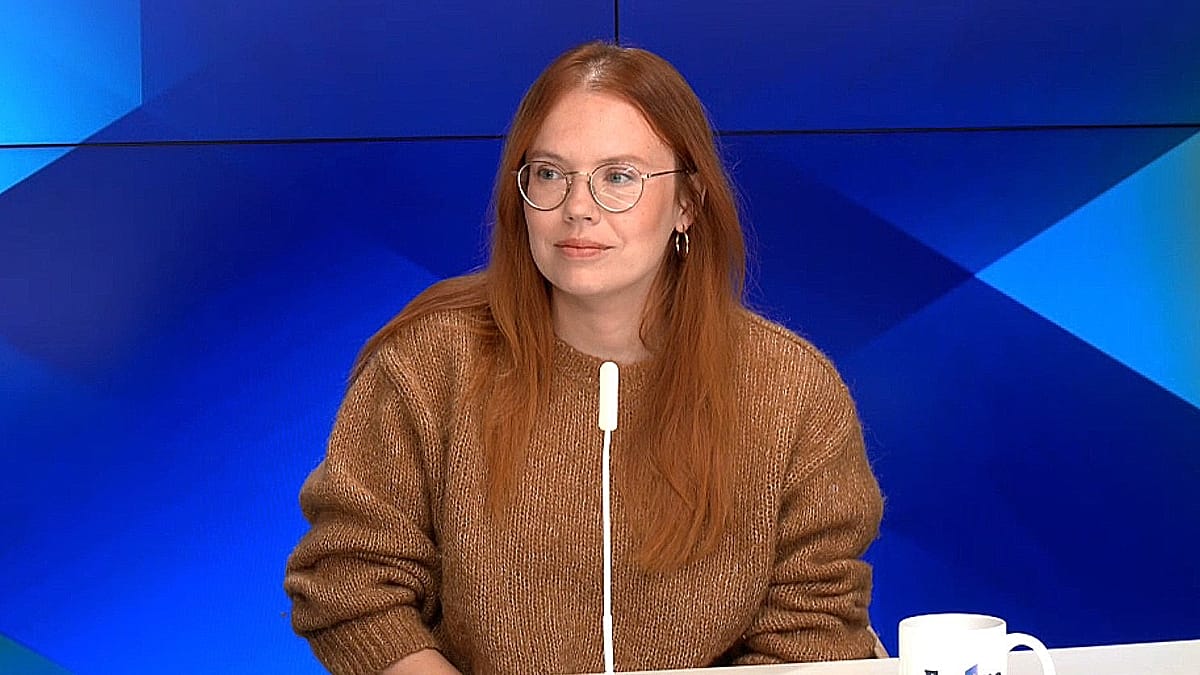
As the world gears up for COP31 in Turkey, climate activists are sounding the alarm that the biggest obstacle to meaningful progress is not technological or financial, but political. Chloé Mikolajczak, a social and environmental activist based in Brussels, argues that the repeated rollback of climate policies by conservative governments across Europe is a dangerous signal of a deeper problem: a lack of political will.
“We have the tools, we have the science, we have the public support,” Mikolajczak said in an interview. “What we are missing is the political willingness to act. And that is being eroded every time a government decides to water down a climate target or delay a transition plan.”
Her comments come as several EU member states, including Poland, Italy, and the Netherlands, have seen conservative-led coalitions push back on green legislation, citing economic concerns and energy security. In the Netherlands, the farmers’ party BBB has gained influence, while in Italy, Prime Minister Giorgia Meloni’s government has questioned the EU’s 2035 ban on combustion engines.
Mikolajczak, who has worked with grassroots movements across the continent, points to the recent protests at a Microsoft data centre in Amsterdam as an example of how climate and social justice issues are increasingly intertwined. “People are not just fighting for the climate; they are fighting for a system that values life over profit,” she said.
COP31: A test of European leadership
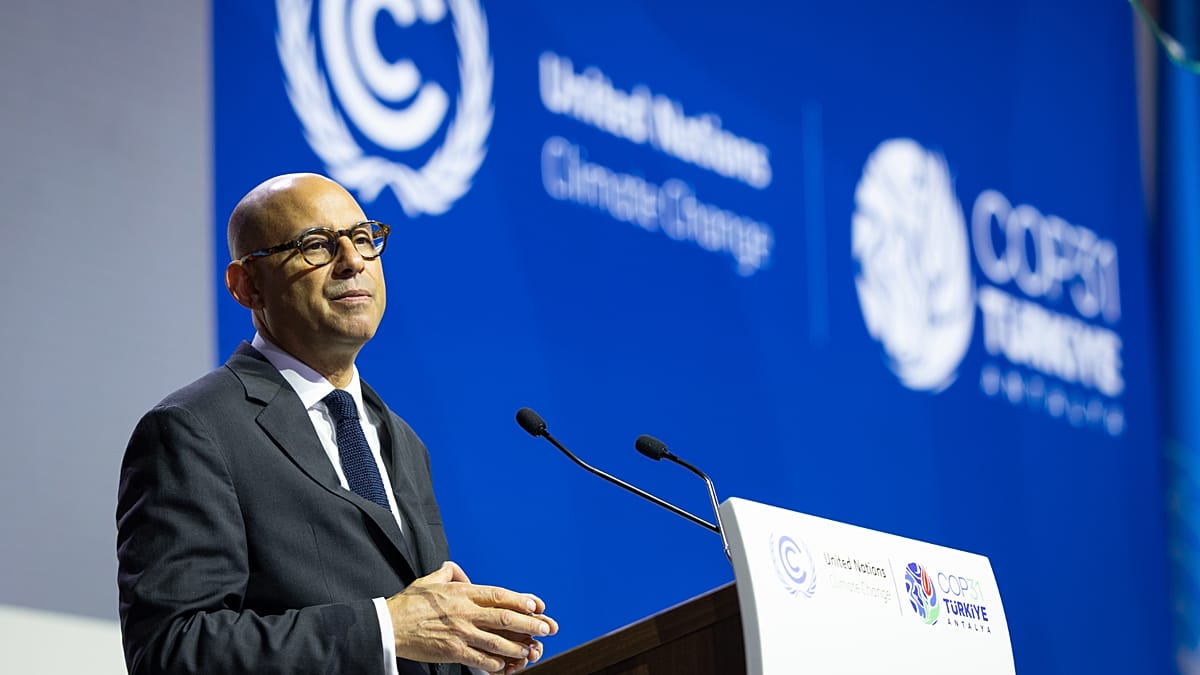
COP31, scheduled to take place in Istanbul, will be a critical moment for the European Union, which has positioned itself as a global leader on climate action. But with the rise of right-wing populism in several member states, that leadership is under threat. Mikolajczak warns that the EU’s credibility depends on its ability to hold the line on its own commitments.
“If Europe cannot show that it can implement its Green Deal without caving to pressure from fossil fuel lobbies and short-term political interests, then why should other regions trust us?” she asked.
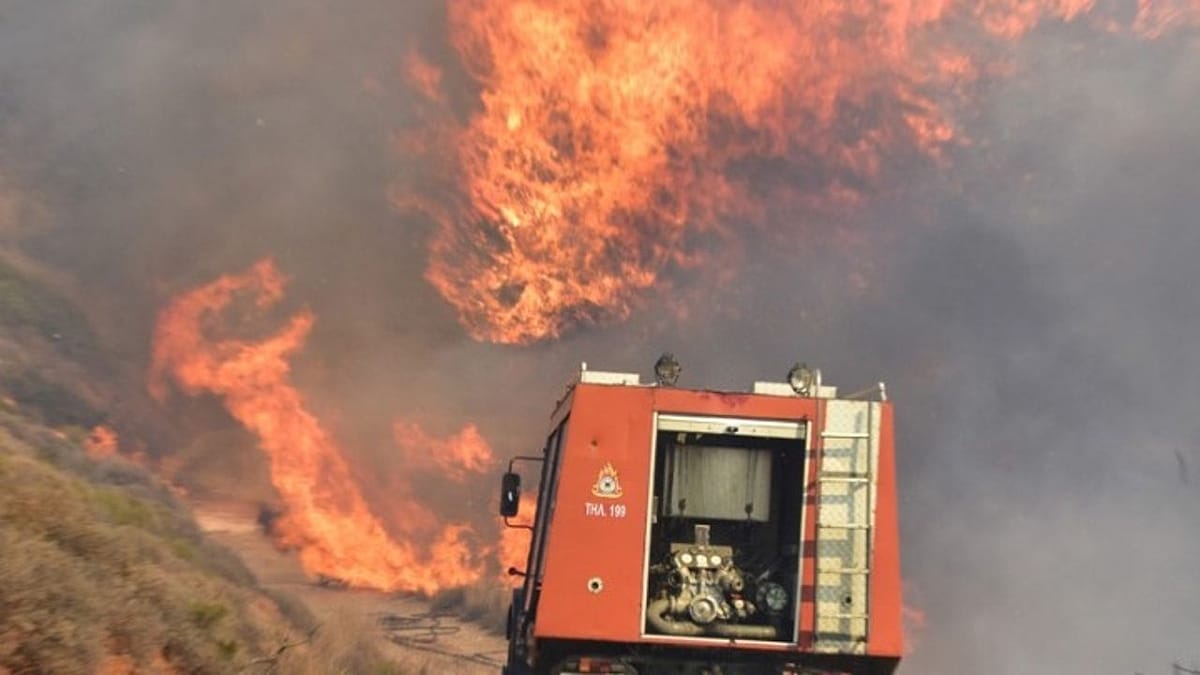
The activist also criticized the tendency of some conservative politicians to frame climate action as an economic burden. “They talk about the cost of transition, but they ignore the cost of inaction. We are already paying that price in floods, heatwaves, and wildfires across southern Europe,” she said, referencing the devastating fires in Greece and Spain last summer.
Mikolajczak’s frustration is echoed by other civil society groups preparing for COP31. Many are calling for a stronger EU mandate to negotiate on behalf of all member states, rather than allowing individual governments to opt out of ambitious targets.
A generational divide
There is also a generational dimension to the political resistance. “Young people across Europe are watching their governments make decisions that will shape their entire lives, and they see a lot of older politicians who are more concerned about the next election than the next decade,” Mikolajczak said. She pointed to the EU’s new digital duties for children as an example of how policy can be forward-looking, but stressed that climate remains the defining issue.
Mikolajczak believes that the upcoming European Parliament elections in 2024 will be a crucial battleground. “We need to elect people who understand that climate policy is not a luxury or a niche issue. It is the foundation of our future prosperity and security,” she said.
As COP31 approaches, the question remains whether European leaders will heed her call. For Mikolajczak, the answer is clear: “The only way to fail is to not try. And right now, too many politicians are choosing not to try.”