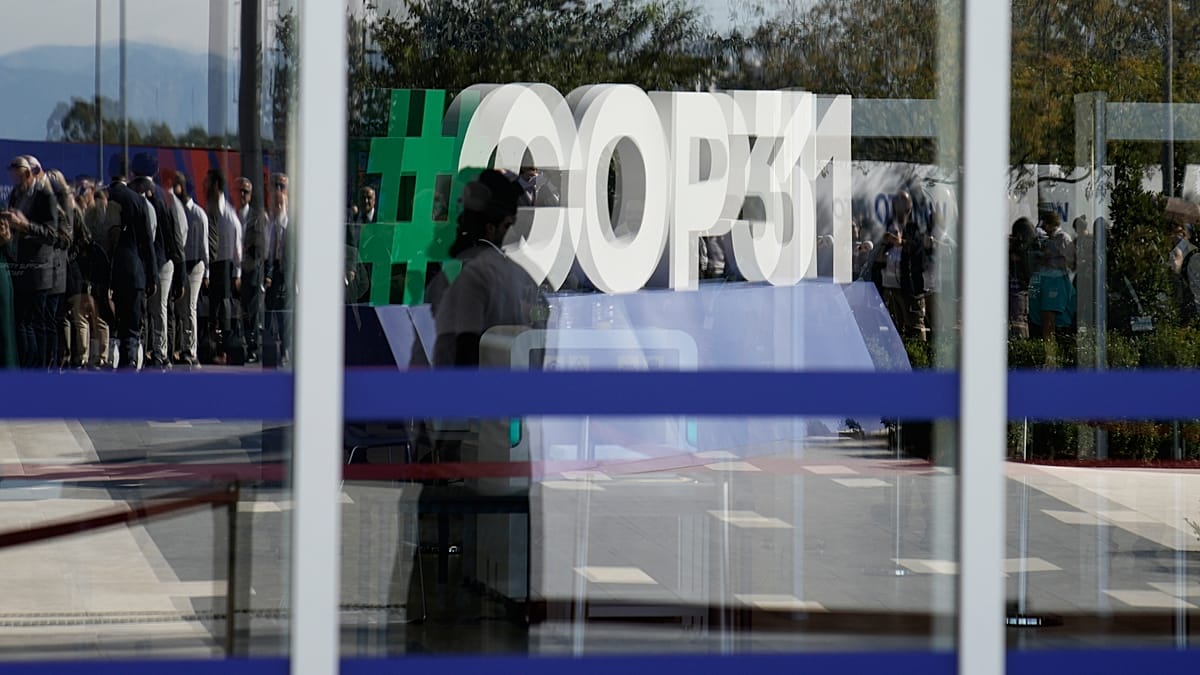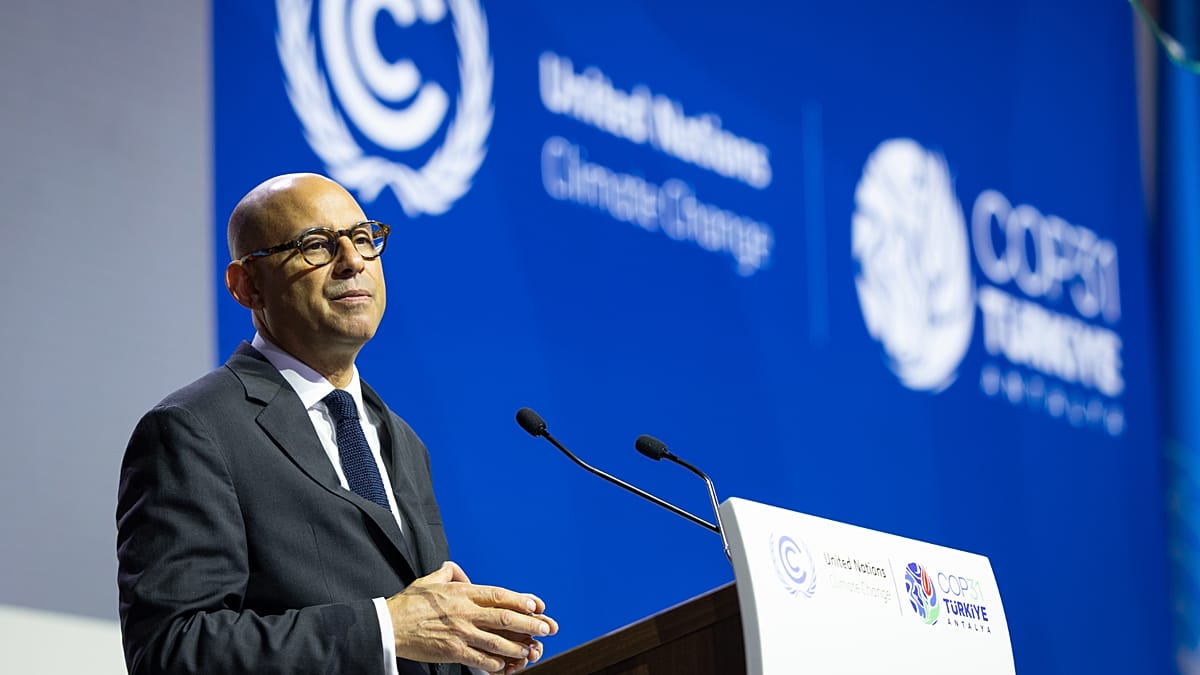
ANTALYA, Türkiye — The United Nations' top climate official has declared that the climate crisis has evolved into a global health emergency of pandemic scale, as delegates gather in Antalya for the COP31 summit running from 9 to 20 November. Simon Stiell, Executive Secretary of UN Climate Change, made the stark assessment in his opening remarks, framing the talks around the mounting toll that rising temperatures and extreme weather are taking on human well-being.
“The climate crisis is now a global health crisis of pandemic proportions,” Stiell said, pointing to how climate-driven disasters are overwhelming health systems and infrastructure across the world. He stressed that health would again be a central theme at this year's conference, building on the first-ever Health Day at COP28 in Dubai.
Stiell framed the choice facing nations in stark terms: “At this COP, nations face a choice: electric or shock. Rewire the global economy for the electric age or accept ongoing fossil fuel cost pain for families, firms, and governments, and of course that includes health systems.” His remarks underscore the economic and social costs of inaction, which extend far beyond hospital wards.
A growing body of evidence
The warnings are backed by fresh data. According to the Lancet Countdown 2026 report, burning fossil fuels and human-induced climate change are linked to an estimated 3.3 million deaths annually through outdoor air pollution and extreme heat. The World Meteorological Organization, in a report published on 9 November, confirmed that the past 12 years have been the warmest on record, with the last four — including 2026 — ranking as the four hottest.
These trends translate into concrete health threats: heat-related illness and mortality, respiratory problems from wildfire smoke, malnutrition and food insecurity, injuries from extreme events, and shifting patterns of water- and vector-borne diseases such as cholera, malaria, and dengue. In Europe, where heatwaves have become more frequent and intense, the risks are particularly acute for vulnerable populations, from the elderly in Paris to outdoor workers in Seville.
“Climate risk finds every vulnerability in a health system and widens it,” Stiell said, citing effects ranging from power cuts that disrupt hospitals to compromised water sanitation after floods. He argued that health must be “at the heart of climate action” and that health ministries must be involved in adaptation planning.
Stiell posed a series of essential questions that every national adaptation plan should answer: “Can clinics stay open through a heatwave? Do they have safe water after a flood? Can health workers spot an outbreak before it spreads? Will those most at risk get the care they need?”
Yet adaptation alone is not sufficient. “No health system can be made resilient to an endlessly warming world,” Stiell warned, calling on countries to embed health considerations into the design of climate plans, the allocation of financing, and the measurement of progress. This means moving beyond treating health as a secondary concern and integrating it into the core of climate policy.
The emphasis on health at COP31 reflects a broader recognition that climate change is not just an environmental issue but a fundamental threat to human security. As one climate activist noted, the summit's success will hinge on political will rather than policy rollbacks. The European Union, which has positioned itself as a leader in climate action, is expected to push for stronger commitments on health adaptation and mitigation.
For European readers, the stakes are personal. The continent has already seen the health impacts of extreme heat, from the 2003 heatwave that killed tens of thousands to the more recent wildfires in Greece and Spain. The rise of antibiotic-resistant infections adds another layer of vulnerability, as climate change can exacerbate the spread of such pathogens. Meanwhile, the effects of climate change on food systems are already reshaping what Europeans eat, with implications for nutrition and health.
As the COP31 negotiations continue, Stiell's message is clear: the health of every European — and every person on the planet — depends on the decisions made in Antalya. The question is whether world leaders will heed the warning and act with the urgency the crisis demands.