This year's powerful El Niño, intensified by climate change, is already disrupting agriculture, energy, and transport worldwide. Now it's reaching into European kitchens, altering the recipe of beloved breakfast cereals.
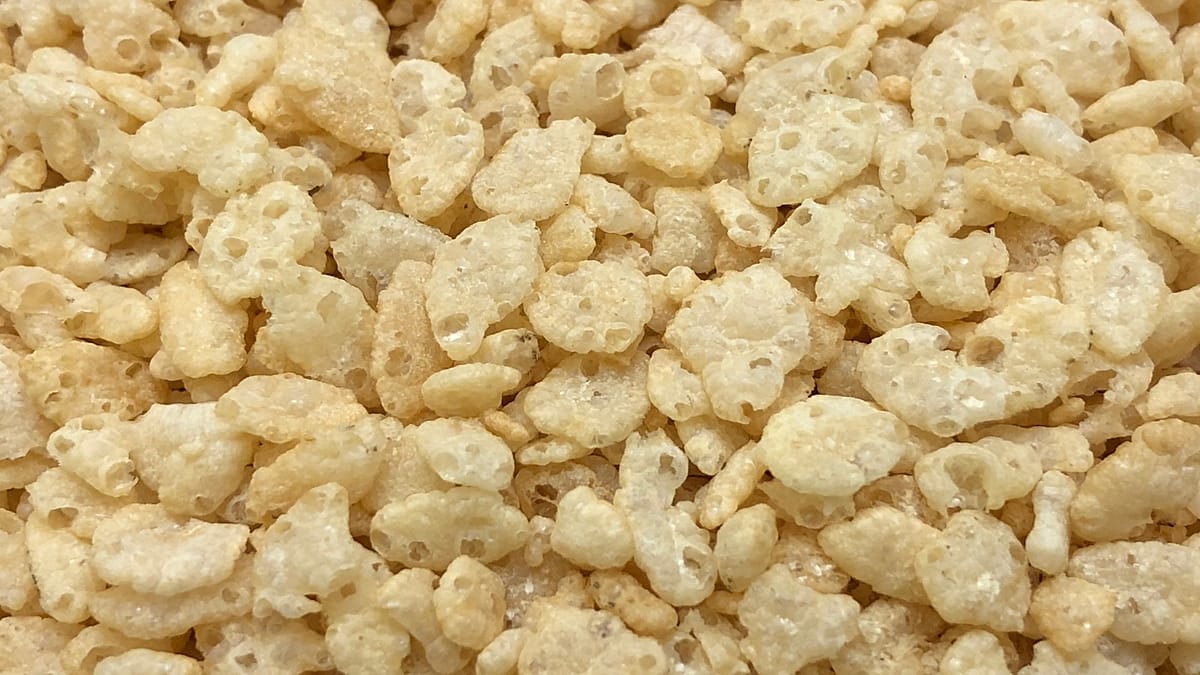
Kellanova, the UK producer of Kellogg's cereals, announced last week that Rice Krispies and Coco Pops will no longer be made with whole rice grains. Instead, they will use a blend of corn flour and rice flour. The company says this change helps maintain consistent quality as changing weather conditions affect the availability and quality of rice and grains.
El Niño's Global Reach
El Niño, a natural phenomenon marked by unusually warm sea-surface temperatures in the eastern Pacific, disrupts weather patterns across the globe. This year's event, sometimes called a 'Super El Niño,' is the strongest and warmest on record, with sea temperatures in parts of the Pacific exceeding 3°C above normal, according to the World Meteorological Organization.
Climate change is amplifying its effects. Copernicus reports that 2026 is "virtually certain" to exceed 1.5°C above pre-industrial levels, making it the second such year after 2024. This adds record heat and moisture to the atmosphere, fueling droughts in some regions and torrential rains in others.
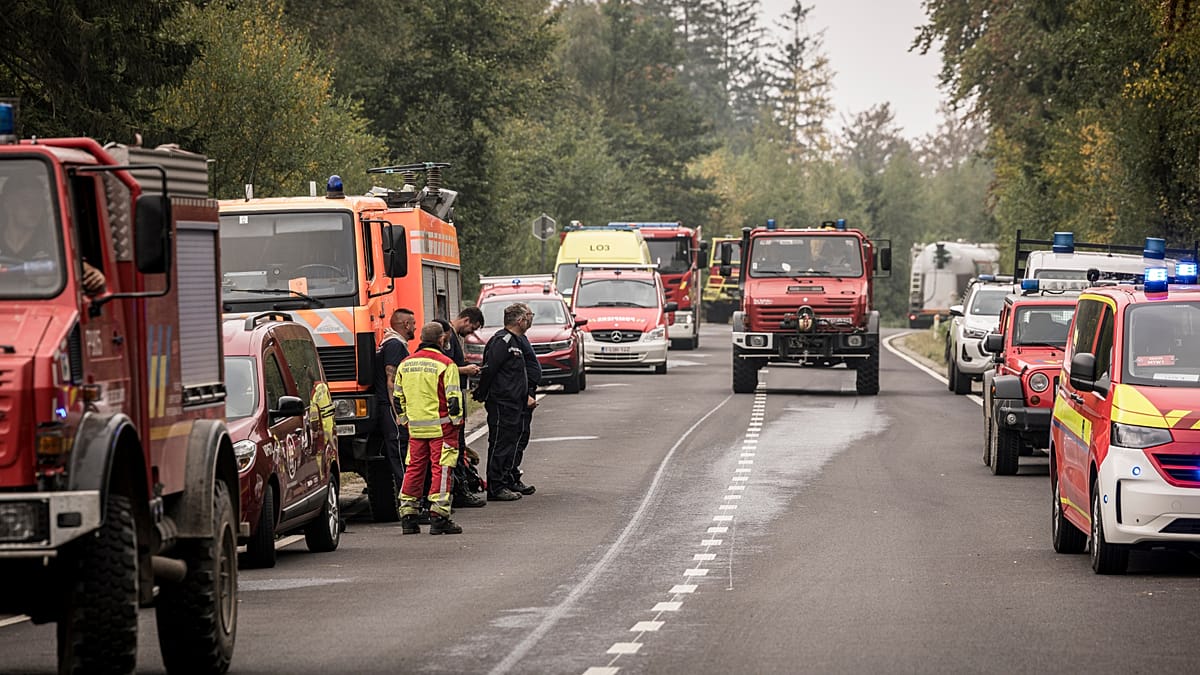
In El Salvador, drought has left cattle starving. Heavy rains have caused severe floods in Argentina, Paraguay, Uruguay, and Chile. In Southeast Asia, Indonesia's worst wildfire season since 2015 has blanketed the region in toxic haze.
Breakfast Bowl as a Warning
Consumers on social media have complained that their Rice Krispies no longer have the signature crackle. Despite Kellogg's assurances, some say the quality has changed. The recipe change affects only the UK and European markets, leaving US and Canadian consumers with the traditional "snap, crackle, pop."
But the flatter Rice Krispies are just a taste of what El Niño could mean for European supermarkets. Researchers at the IHE Delft Institute for Water Education in the Netherlands warn that disruptions to staples like corn and beans could threaten global food security. Coffee, cocoa, sugar, palm oil, and rice are also at risk.
In South and Southeast Asia, severe water shortages and high temperatures are hitting rice production. The FAO notes that soaring fertiliser prices, partly due to the war in Iran, have led farmers to cut back on rice crops, threatening a staple for over half the world's population.
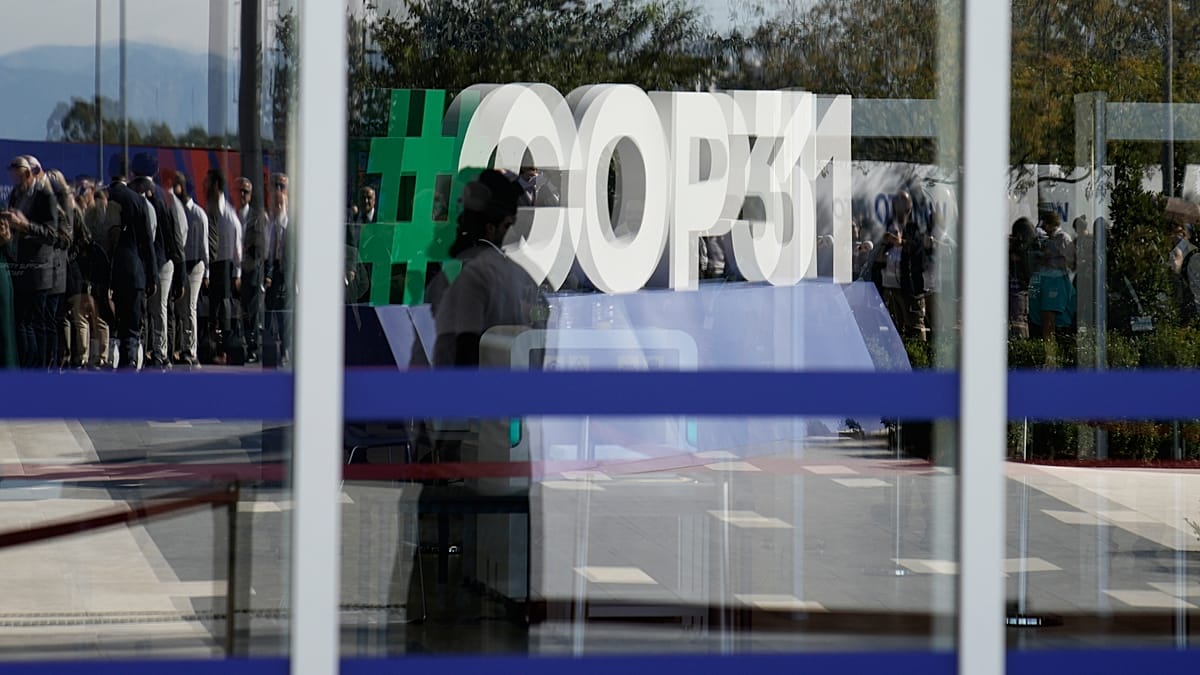
These pressures are on the agenda as world leaders gather for COP31, which opens today, 9 November, in Antalya, Türkiye, with a day dedicated to agriculture and food systems. The summit will test whether governments are ready to invest more in protecting food supplies, or if crunchless Rice Krispies are an early warning of worse disruptions to come.
For European consumers, the changes in cereal recipes are a tangible sign of how climate change is reshaping global supply chains. As fresh produce prices surge across Europe and cold spell risks rise, the breakfast table becomes a daily reminder of the continent's vulnerability to climate impacts.