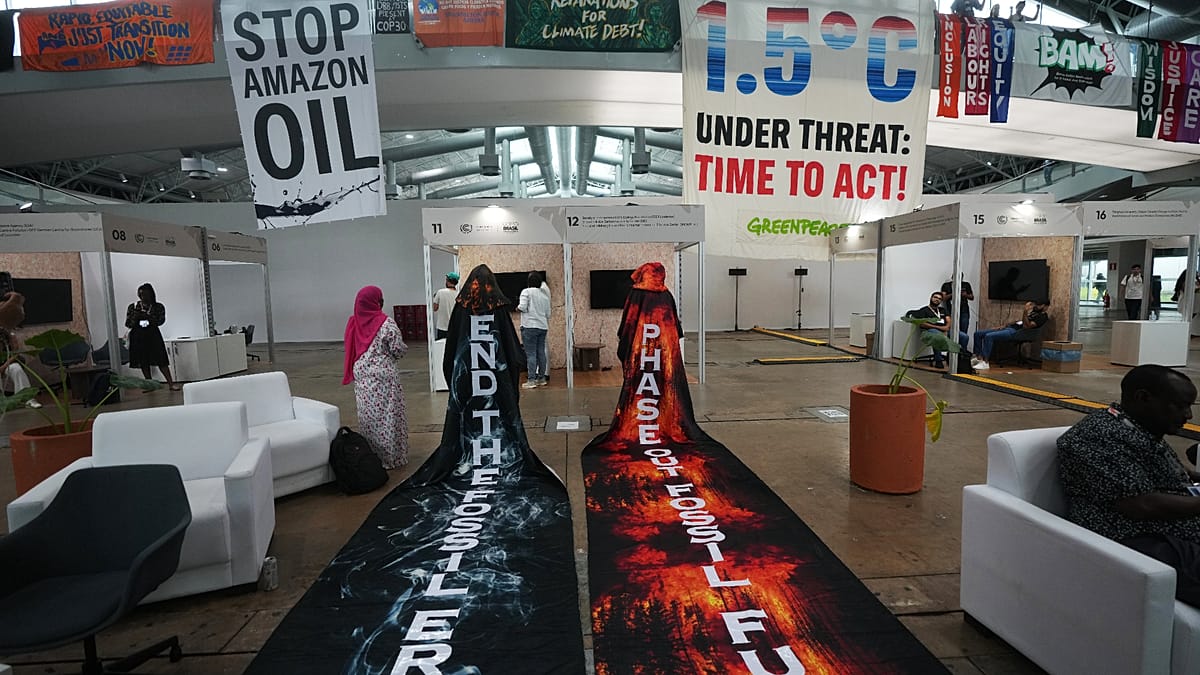
The UN climate summit COP31 opens today in Antalya, Türkiye, against a backdrop of rising global temperatures and stalled progress on emissions reductions. For two weeks, delegates from nearly 200 countries will try to agree on a package of measures to keep the Paris Agreement goals within reach.
This year's talks carry an unusual institutional setup: Türkiye holds the presidency and hosts the summit, but Australia will steer the marathon negotiations. The arrangement, unprecedented in COP history, emerged after both nations bid to host. The presidency sets the 'action agenda' – voluntary commitments from companies, cities, and civil society – while the UNFCCC oversees the formal negotiating agenda, which is adopted by consensus.
Electrification: the '35-by-35' target
Electrification is set to dominate the agenda. Türkiye is pushing for a global commitment to raise the share of electricity in final energy demand to 35 per cent by 2035, up from around 20 per cent today. The idea is to replace fossil-fuel-powered devices and systems with electric alternatives, from cars to industrial furnaces.
But a recent report from Climate Action Tracker (CAT) warns that current policies would deliver only 28 per cent by 2035 – a trajectory the International Energy Agency associates with about 2.5°C of warming. To meet the target, governments would need to electrify four times faster than they are now.
Experts caution that electrification alone is not enough. Samuel Guéret, a climate and energy policy analyst at Climate Analytics, a CAT partner, says: “Taken alone, countries could meet the target by simply adding electricity to the system (e.g. data centres) or by keeping or even adding fossil fuels to electricity systems. Electrification only limits overshoot if the electricity is cleanly generated, which is why this target should be seen as part of a package with the renewables and efficiency targets agreed at COP28.”
The fossil fuel flashpoint
The transition away from fossil fuels – known as TAFF – remains the most contentious issue. At COP28 in Dubai, countries pledged for the first time to transition away from fossil fuels, but the follow-up in Belém last year failed to even mention them in the final text. Brazil, the COP30 host, published a voluntary global roadmap before handing over to Türkiye.
Türkiye, where coal was the largest source of electricity last year, insists that fossil fuels are necessary for energy security. Energy Minister Alparslan Bayraktar has called for a “just transition period” to protect coal miners, while also raising concerns about financing the shift. Yet the energy crisis triggered by the Iran war has pushed many oil and gas importers to accelerate renewable deployment as a security measure.
The IEA's 'Renewables 2026' report forecasts stronger growth across a wider range of countries as governments seek to reduce exposure to volatile fossil fuel prices. The EU, which has committed to cutting emissions 90 per cent by 2040, argues that moving away from fossil fuels is a matter of energy security. It is pushing for faster delivery of existing pledges, including tripling renewables and doubling energy efficiency by 2030.
Germany, France, and the Netherlands have already set their own phase-out roadmaps, though experts criticise Germany's 2045 target as too weak, noting that it excludes financing for overseas fossil fuel projects.
Methane and the Global Stocktake
COP31 will also begin the second Global Stocktake (GST2), a two-year evaluation of progress towards the Paris Agreement's goals, including limiting warming to well below 2°C and ideally 1.5°C. Methane reduction is expected to be a key focus, building on the Global Methane Pledge, which aims to cut methane emissions 30 per cent by 2030 from 2020 levels.
Outside the negotiating rooms, the summit will feature a parallel agenda of voluntary actions, with cities, banks, and companies announcing their own climate commitments. But the formal decisions will require consensus, a system that oil and gas producers have previously used to water down language on fossil fuel phase-out. Calls for a majority-vote system are growing louder as progress remains dangerously slow.
With the world on the brink of irreversible damage, the stakes could not be higher. As Türkiye's presidency has declared, “We will not lower our ambition.” Whether the talks can deliver on that promise remains to be seen.