Europe is entering its first prolonged 'dunkelflaute' of the season – a German term for a dark, windless lull – as thick cloud cover and still air throttle solar and wind generation across the continent. The result: power prices are spiking, grids are leaning harder on fossil fuels, and households with rooftop panels are watching their output dwindle to a trickle.
Solar has been the bright spot of Europe's energy transition – cheap to install, quick to deploy, and in sunny conditions it can generate power for as little as €0.024 per kilowatt-hour, undercutting coal, gas, and even wind. Since the start of the war in Ukraine, the EU has avoided an estimated €42.9 billion in gas imports thanks to solar, and during last summer's heatwaves it helped keep grids stable when air-conditioning demand surged.
But the season's first major dunkelflaute is a stark reminder that renewables are not always reliable. From October through February, northern Europe's short days, heavy cloud, and fog can cut solar output dramatically, just as heating demand pushes consumption up. Multi-day events are rare, but when they happen, utilities must fire up expensive gas plants to fill the gap.
According to Bloomberg forecasts, German day-ahead power prices for Thursday 29 October were above €300 per megawatt-hour – roughly double the October average – with evening peak rates exceeding €500. Similar pressure is being felt across the continent, from Paris to Warsaw.
Households feel the pinch
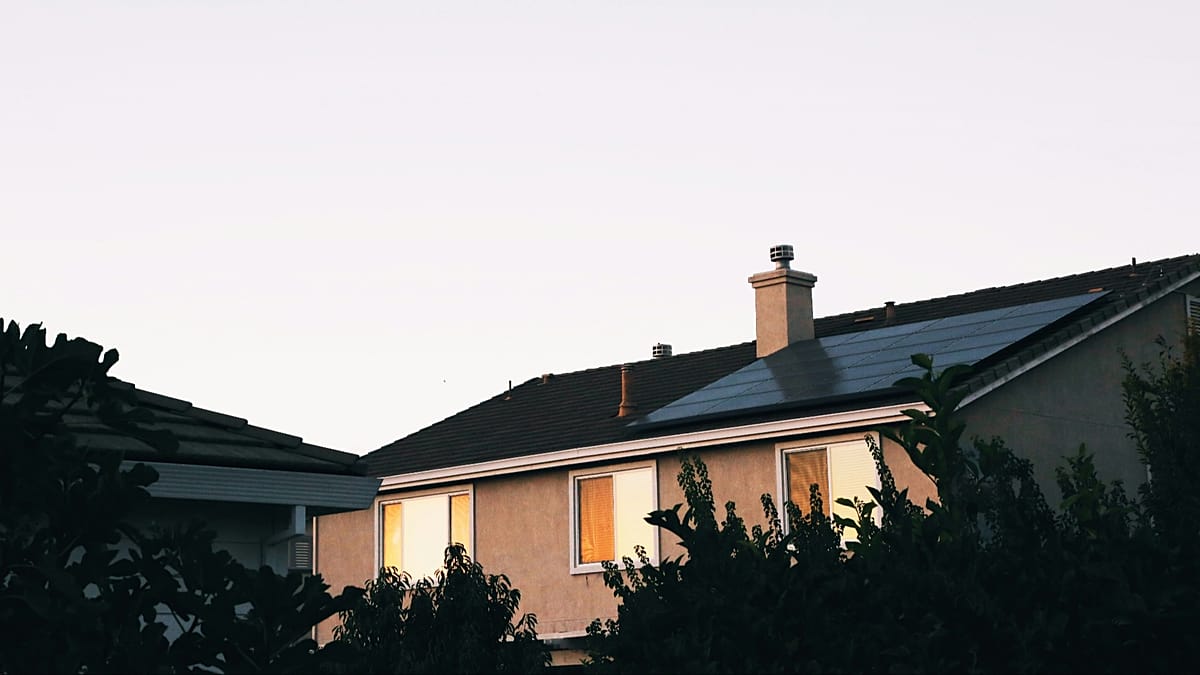
On an individual level, the impact is tangible. A UK homeowner with 12 rooftop panels (6.36 kW capacity) told Euronews Earth that on Wednesday 4 November, the system generated just 10.90 kWh – forcing them to draw 27.40 kWh from the grid. The next day, under an overcast sky, output fell to a meagre 2.40 kWh, with 20.60 kWh imported. This despite an 11.52 kWh home battery charged overnight on an off-peak tariff.
“We’re hardly producing any power,” the resident said. “It’s extremely disheartening to see we’re importing so much energy when we have spent thousands on a solar system. However, we know that the panels will start to perform better when the clouds clear.”
Cloudy conditions are forecast to persist across much of Britain and northern Europe into next week, meaning many households will continue to see far lower solar yields than in summer.
Hydro steps in, but not everywhere
Solar's seasonal dip is well documented. In the EU, solar's share of electricity generation peaked at 25.4% in June, but fell to 13.2% by October. Yet solar does not need heat – just daylight – so panels still produce on cold, clear days. UK supplier Good Energy estimates that home systems can generate 25–35% of their annual output during winter, offering a modest cushion for bills.
Hydropower often compensates for solar's winter slump, and EU hydro generation began rising in October last year. But hydro is not immune to climate stress: during summer heatwaves, low rainfall and drought can force cuts. In August, Poland had to reduce output at coal plants – which require vast amounts of water for cooling – after the Vistula River dropped to critically low levels, temporarily removing 1.3 GW from the system, enough to power over a million homes.
Solar also proved its worth during heatwaves. Energy think tank Ember found that during the late-June heatwave, daily electricity demand rose by up to 28% in Italy, 23% in Hungary, 14% in France, and 13% in Spain compared with pre-heatwave days. Solar was the only major source to perform better than usual, with generation 17% higher in France and Hungary, 5% higher in Spain, and unchanged in Italy. A typical UK home with solar could run an air conditioner for five hours a day during the hot spell.
But the current dunkelflaute highlights a critical gap: Europe's grids still lack enough storage and flexible backup to handle prolonged periods of low wind and sun. As the continent pushes to expand renewables, the question is not just how much solar can be installed, but how to keep the lights on when the clouds roll in.
For now, the solar boom continues – but its first real test of the winter is already here.