The European Commission and the European Council will dispatch a joint delegation of senior officials to the trilateral peace talks between Ukraine and Russia, scheduled for 10 and 11 November in Abu Dhabi. The United States is hosting the negotiations, which mark the first such meeting since February.
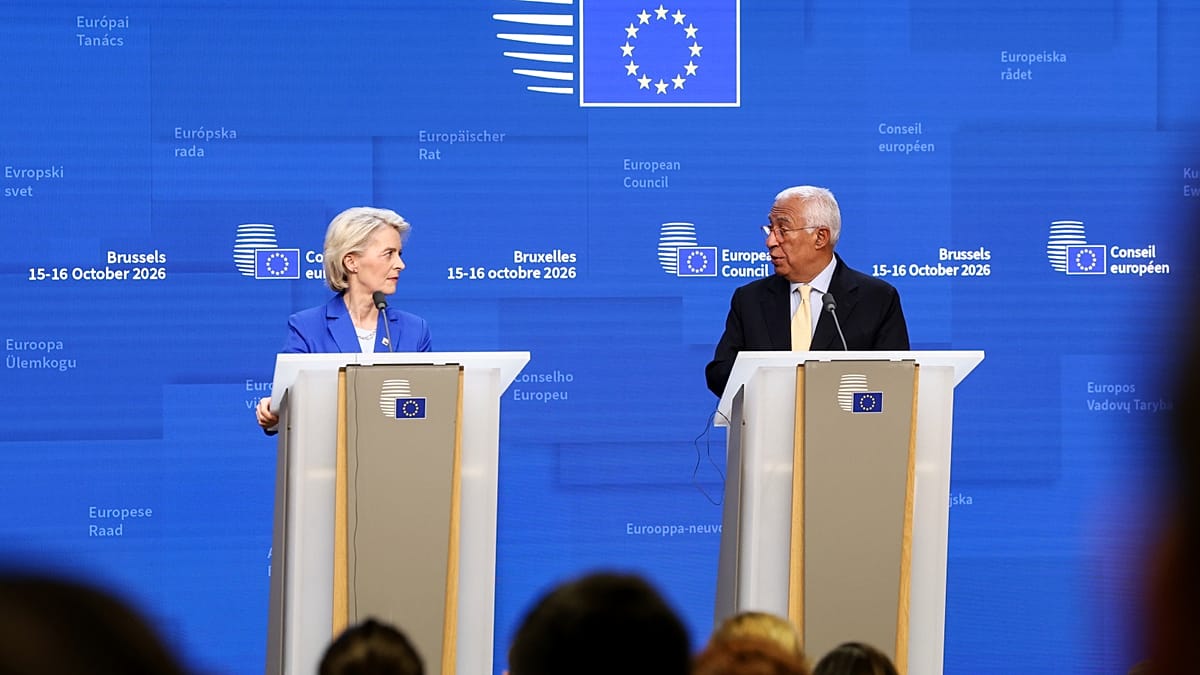
Commission President Ursula von der Leyen confirmed the EU's participation on Monday morning after a phone call with Ukrainian President Volodymyr Zelenskyy. "The EU will be present alongside our partners," she said. "Freedom of navigation in the Black Sea must be restored and preserved. I reiterated my support for his call for a ceasefire covering food and energy infrastructure."
A spokesperson for the European Council also confirmed the involvement. The EU team will be led by Bjoern Seibert, von der Leyen's chief of cabinet, and Anna-Maria Boura, chief foreign policy advisor to European Council President António Costa.
The EU institutions will be joined by the E3—France, Germany and the United Kingdom—forming a broader European presence at the talks. Both the Commission and the Council have previously indicated a willingness to engage directly with the Russian delegation, something that has not yet occurred in the context of these negotiations. Whether such face-to-face contact will happen remains unclear.
Jared Kushner, the US special envoy, said last week that a multilateral format would be organised "if progress is made," though he did not specify whether that would take place in Abu Dhabi or at a later date. His lengthy social media post outlining principles to reframe Europe's security architecture after the war has drawn criticism from allies, with Zelenskyy calling it "dangerous." European officials view the discussion as premature and misguided, given that Russia has yet to make any concessions at the negotiating table.
European divisions and calls for a special envoy
The confirmation of the EU team comes amid internal friction. Italian Prime Minister Giorgia Meloni sent a scathing letter to António Costa complaining about the "disarray" in diplomatic formats and demanding the appointment of a special European envoy. Costa has agreed to put the issue on the agenda at this week's informal summit in Dublin, Ireland, which will take place immediately after the Abu Dhabi meeting.
Polish Foreign Minister Radosław Sikorski echoed Meloni's concerns, warning that Eastern European interests must be taken into account. "The last thing we want is Western Europe dealing with Russia, over the heads of the East Europeans," Sikorski said from Warsaw. His remarks highlight the persistent divide within the EU over how to approach Moscow, a tension that has been a recurring theme in European diplomacy.
The Abu Dhabi talks will also test the EU's ability to present a united front. The bloc has struggled to coordinate its foreign policy on Ukraine, with some member states favouring a more hawkish stance and others pushing for dialogue. The presence of the E3 alongside the EU institutions is intended to project cohesion, but differences remain.
For Ukraine, the delegation will be led by Rustem Umerov, head of the Foreign Intelligence Service, along with Kyrylo Budanov and Sergiy Kyslytsya, head and deputy head of the president's office, and Davyd Arakhamia, leader of the ruling party in the Parliament. Their presence underscores Kyiv's determination to maintain a strong negotiating position.
The resumption of talks comes as Russian strikes have cut power for 850,000 Ukrainians as winter approaches, adding urgency to the discussions. European leaders are also mindful of the broader security implications, with some analysts suggesting that Trump has hinted at territorial changes for Ukraine ahead of the talks, a prospect that alarms many in Europe.
The EU's participation in Abu Dhabi is part of a broader effort to secure a voice in the peace process. The bloc has been sidelined in previous negotiations, and the joint team is a step towards greater involvement. However, the question of direct engagement with Russia remains a sensitive issue, with no consensus among member states.
As the talks approach, European officials are cautious about expectations. The war has already caused immense suffering, and the path to peace is fraught with obstacles. The EU's presence in Abu Dhabi is a signal of its commitment to a negotiated settlement, but whether it can influence the outcome remains to be seen.