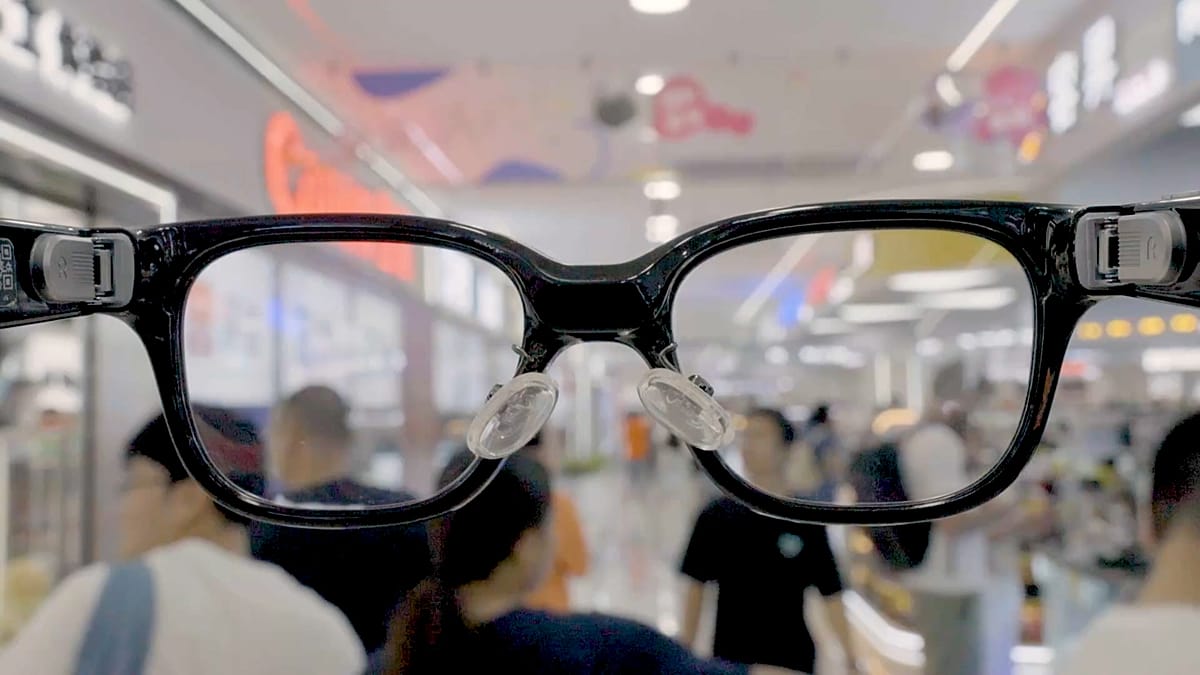
Once dismissed as a futuristic gimmick, AI-powered glasses are quietly becoming a practical tool for everyday communication, particularly for travellers and people with hearing loss. The devices, which overlay digital information onto the wearer's field of vision, are now being produced at scale, with more than half of global shipments coming from Chinese factories. Industry executives believe the technology could eventually challenge the smartphone as the primary interface for daily life.
From gadget to essential
Early models of smart glasses struggled with battery life, bulky designs, and limited functionality. But advances in miniaturised processors, micro-displays, and on-device AI have transformed the category. Today's devices can translate speech in real time, transcribe conversations, and provide navigation cues without requiring the user to glance at a phone.
For travellers navigating Europe's multilingual cities, the appeal is obvious. A visitor in Berlin can now read street signs in German overlaid with English subtitles, or follow a museum guide in Paris without renting an audio headset. The glasses work by capturing audio and visual data, processing it through on-board AI, and projecting the result onto the lens.
Hearing loss and accessibility
Perhaps the most transformative impact is for the deaf and hard-of-hearing community. Real-time captioning, once confined to smartphone apps, is now embedded directly into the wearer's line of sight. This allows for more natural conversations, where the user can maintain eye contact while reading what is being said. "It's like having subtitles for the world," said one early adopter in Amsterdam, who uses the glasses to follow group discussions at work.
European accessibility advocates have welcomed the development, though they caution that affordability remains a barrier. Many high-end models cost over €1,500, putting them out of reach for many who could benefit. Some EU member states are exploring subsidies for assistive technologies, but no coordinated policy has emerged.
China's manufacturing dominance
The supply chain for AI glasses is heavily concentrated in China, where companies like Xiaomi, Huawei, and a host of smaller firms have ramped up production. According to industry analysts, Chinese manufacturers account for roughly 55% of global output, leveraging the same ecosystem that produces smartphones and microchips. This has raised questions in Brussels about technological dependence, especially as the EU pursues its de-risking strategy with Beijing.
European startups are trying to carve out a niche, focusing on privacy and data protection. Unlike many Chinese-made devices, which often rely on cloud processing, several EU-based companies are developing glasses that process data locally, reducing the risk of interception. "We see privacy as a competitive advantage," said a spokesperson for a Munich-based firm. "European users are more aware of data security, and we design accordingly."
The smartphone replacement question
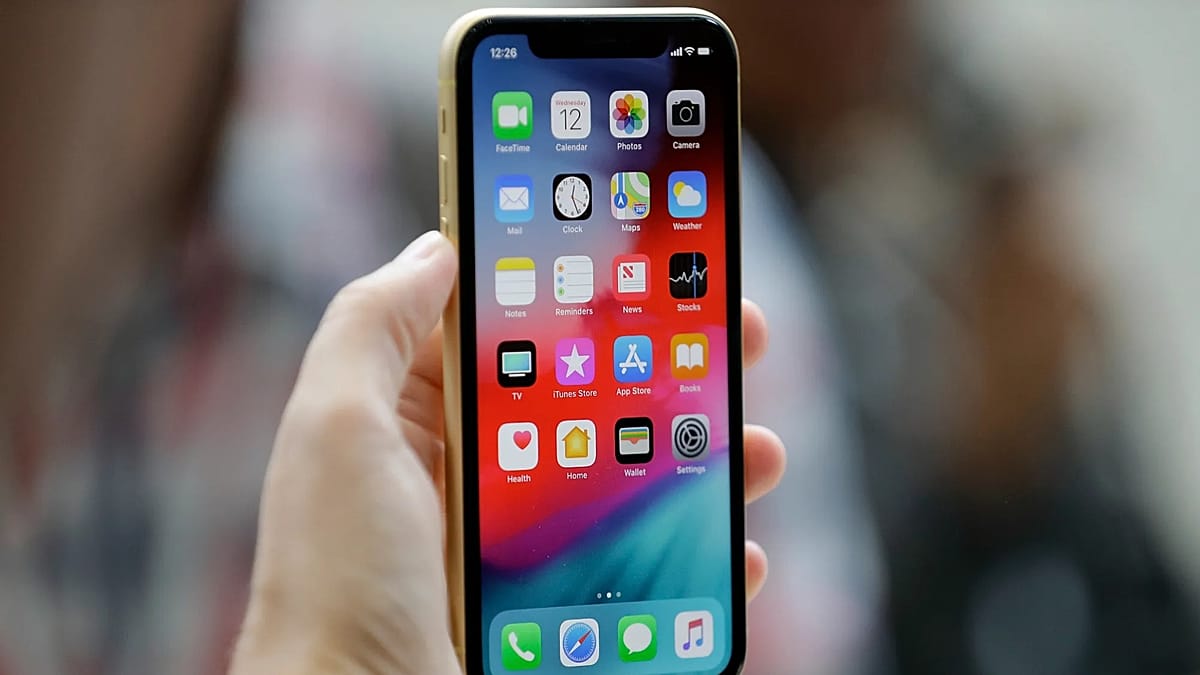
Manufacturers are betting that AI glasses will eventually replace smartphones, but that day is not yet here. Current models still require a phone for setup, and battery life rarely exceeds a full day. Connectivity issues, especially in rural areas, remain a hurdle. Yet the trajectory is clear: each generation of glasses becomes lighter, more powerful, and more intuitive.
Analysts point to the success of AI partnerships in the consumer electronics space as a sign of things to come. If Apple's recent trial with Alibaba's Qwen model is any indication, the integration of advanced AI into wearables is accelerating. For Europe, the challenge will be to ensure that its citizens can access these tools without sacrificing their digital rights.
Implications for communication
The shift from handheld to head-worn devices could fundamentally alter how people interact. In meetings, for example, participants might use glasses to discreetly access notes or translate a colleague's remarks in real time. In public spaces, the ability to read lips or see captions could break down barriers for the hearing impaired.
However, social norms are still catching up. Wearing glasses that record or process audio raises privacy concerns, and some venues have already banned them. "We need clear rules," said a privacy advocate in Brussels. "The technology is moving faster than our laws."
As the EU debates broader tech policy, the rise of AI glasses will likely feature in discussions about digital sovereignty and consumer protection. For now, the devices are finding their footing, not as a replacement for the smartphone, but as a complement that makes communication more seamless and inclusive.