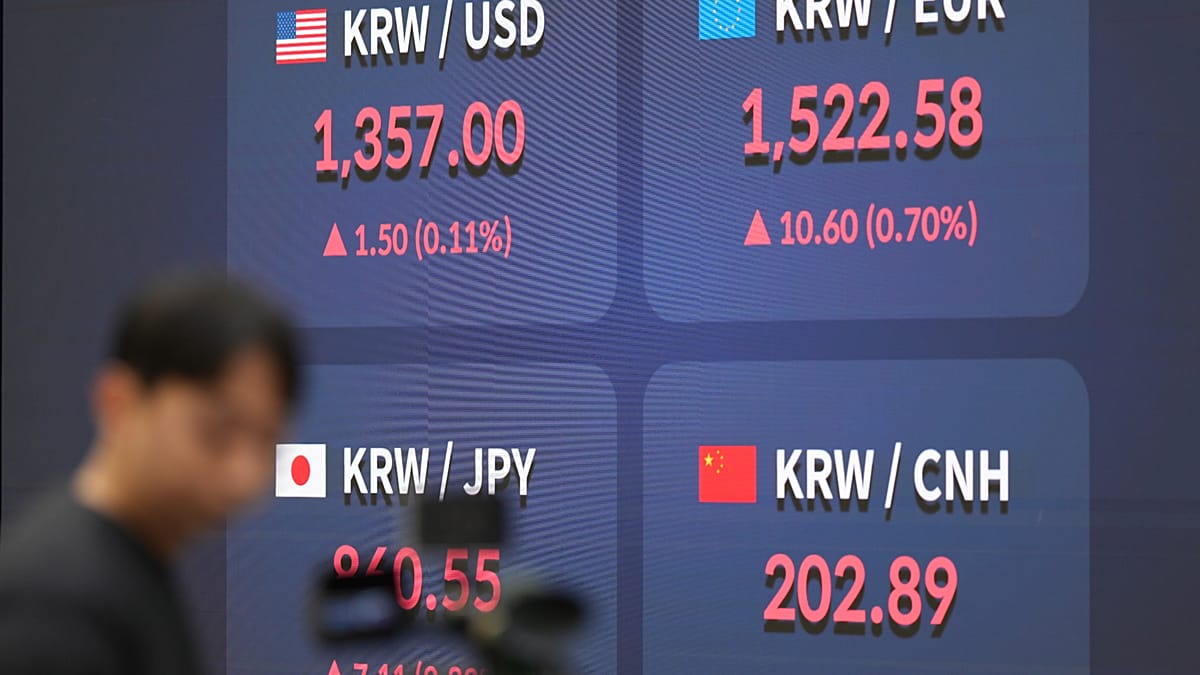
Global markets are in turmoil as fears over the profitability of AI data centres triggered the steepest decline in US chip stocks since 2020. The sell-off, which began on Wall Street on Thursday, spread to Asia on Friday, with Japan's Nikkei 225 at one point falling about 7% before paring losses to trade 5.7% lower by midday in Tokyo.
The catalyst for the rout is a growing realisation that the hundreds of billions of euros poured into artificial intelligence infrastructure may not deliver returns as quickly as hoped. Investors are also weighing the impact of this week's US midterm elections, where Democrats secured sweeping wins, potentially paving the way for stricter regulation of new data centres. The projects have drawn opposition from voters across the political spectrum, and many winning candidates pledged to slow or halt construction. Earlier this year, US Senators Bernie Sanders and Alexandria Ocasio-Cortez proposed a federal moratorium on new data centres.
Higher borrowing costs are adding to the pressure, raising questions about how quickly companies can finance and build the facilities they need. A slowdown in data centre construction could weigh on US economic growth and dent demand for chips and electricity, with ripple effects for European suppliers and energy markets.
Wall Street's worst day since 2020
The Philadelphia Semiconductor Index closed down 12.2% on Thursday, its biggest one-day drop since 2020, leaving it about 16% lower for the week. The Nasdaq Composite fell 5.5%, the S&P 500 dropped 4.4%, and the Dow Jones Industrial Average lost 3.4% – all three posting their steepest daily percentage losses since US President Donald Trump announced sweeping tariffs in April 2025. The Nasdaq ended the session 11.9% below its record high.
Trump blamed the Democrats for the sell-off in a post on Truth Social, writing: “The Stock Market crashed today because the Dumocrats had a big Tuesday — So sad to see, you only have yourselves to blame!”
The turmoil has not been confined to the US. In Tokyo, Kioxia and SoftBank fell more than 10% during trading, while Advantest dropped over 8%. South Korea's Kospi plunged 8.8% at one point, triggering a 20-minute trading halt, with SK Hynix down about 10% and Samsung Electronics off 8%. Taiwan's Taiex closed 4.5% lower after falling more than 8% early in the session, and TSMC shares slid as much as 8.5%. Hong Kong's Hang Seng, the Shanghai Composite, and Australia's S&P/ASX 200 also declined.
European markets are bracing for a weak open, with Euro Stoxx 50 futures down about 1% ahead of the bell. The sell-off is likely to resonate across the continent, where many companies are heavily exposed to the tech supply chain. For instance, European campaigners have already demanded a freeze on new data centres, citing environmental and energy concerns, which could add to regulatory headwinds.
Neil Wilson of Saxo Markets said the sell-off looked overdone but that investors would want to see markets stabilise before stepping back in. “The fundamental demand for AI remains strong, but the market is now pricing in a more cautious outlook,” he noted.
Meanwhile, Brent crude futures rose 1.4% to just under $100 a barrel in early trading, extending Thursday's gains. Oil had fallen after the midterm results on hopes for an end to the Iran war, but traders are watching for signs of progress after US and Iranian leaders indicated talks were advancing. The dollar strengthened against the euro and the yen, while spot gold fell 1.1% to $4,044 an ounce.
For European investors, the immediate concern is the potential knock-on effect on the region's tech and industrial sectors. The EU's broader economic resilience will be tested as global markets remain volatile. The coming days will be crucial in determining whether this is a short-term correction or the start of a more prolonged downturn.