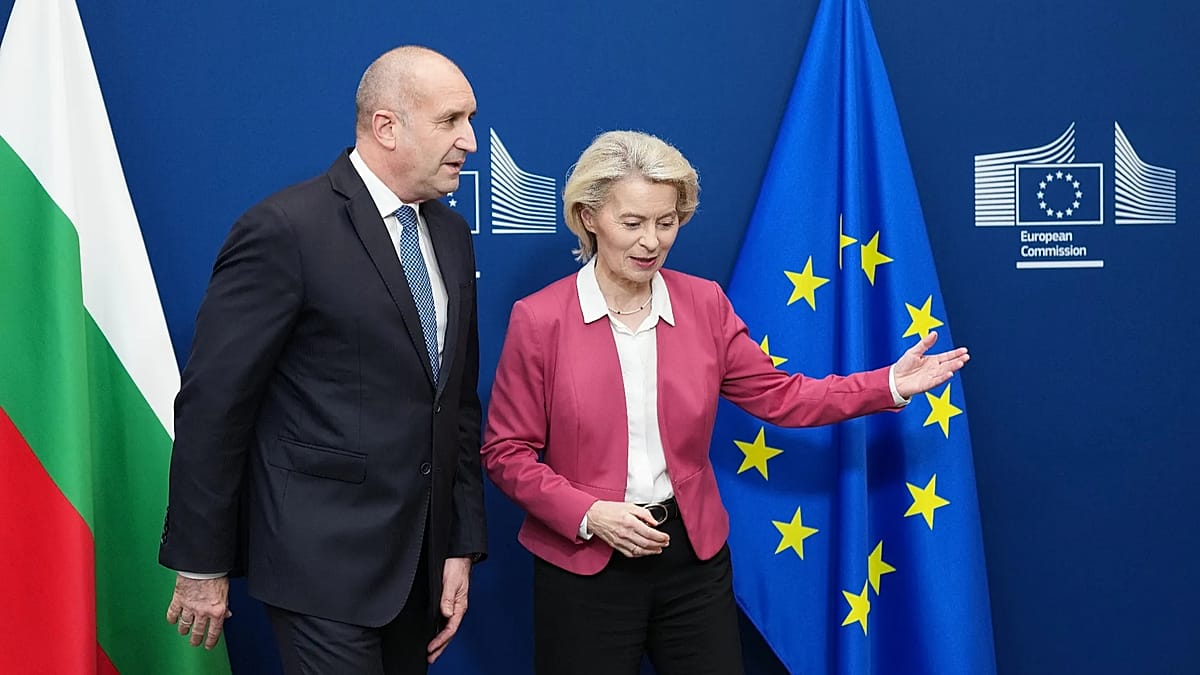
Five European Union member states have formally called on the European Commission to make Britain's participation in the bloc's internal electricity market conditional on a financial contribution to EU cohesion funds. The demand, outlined in a letter addressed to Commission President Ursula von der Leyen and European Council President António Costa, introduces a new financial and political layer to the EU-UK negotiations ahead of the 20 November summit.
The letter, signed by the leaders of Belgium, Germany, Denmark, Luxembourg and the Netherlands, argues that any agreement on electricity market integration should be tied to a British payment aimed at reducing economic and social disparities between EU regions. "An agreement on an appropriate financial contribution by the UK towards reducing economic, social and territorial disparities between the regions of the Union should be linked with the integration of the UK into the EU electricity market," the leaders wrote.
The signatories are Belgian Prime Minister Bart De Wever, German Chancellor Friedrich Merz, Danish Prime Minister Mette Frederiksen, Luxembourg Prime Minister Luc Frieden and Dutch Prime Minister Rob Jetten. Their coordinated push suggests the issue has gained traction among EU leaders, and a draft joint EU-UK statement seen by Euronews indicates broad support for the principle of a British contribution to cohesion funds, though the text remains subject to change before the summit.
What Britain might pay
UK Under Secretary of State for Energy Security and Net-Zero Martin McCluskey has said that London is still assessing the EU's proposal and that no specific amount has been agreed. He stressed that any payment would need to represent value for money for British taxpayers. The UK is likely to look to the Norwegian model as a reference point: Oslo, as a member of the European Economic Area, contributes roughly €391 million annually to EU cohesion grants, according to the Norwegian Mission to the EU.
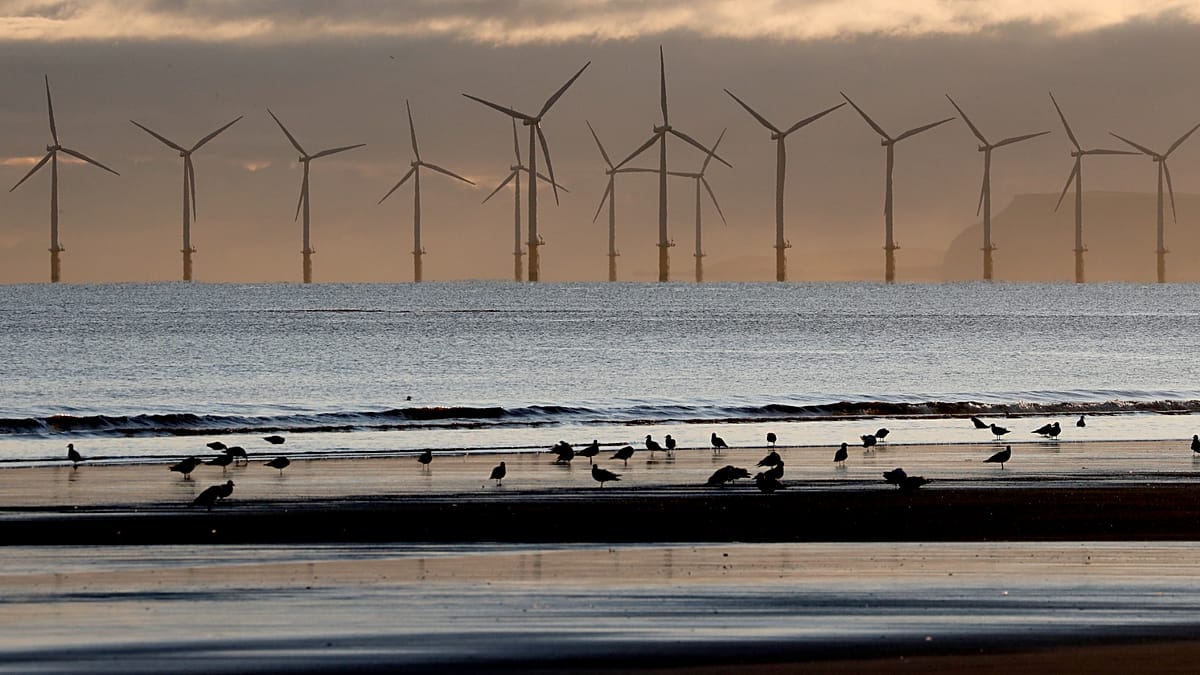
EU leaders see UK participation in the internal electricity market as a way to bolster energy security, reduce reliance on fossil fuels, improve cross-border trading, and facilitate joint projects, particularly in the North Sea. The five signatory countries, all with strong ties to the North Sea energy system, argue that a deal would provide much-needed predictability for businesses and investors while unlocking the region's offshore wind potential. They point to ambitions of developing up to 100 GW of joint projects and 300 GW of offshore wind capacity.
"An agreement on electricity market integration is crucial, in order to provide clarity and predictability for stakeholders from both the UK and the EU. This is necessary to unlock the full potential of the North Sea area and transform it into the largest clean energy hub in the world," the letter states.
The demand comes at a delicate moment in EU-UK relations, as both sides seek to rebuild trust after the turbulence of Brexit. The UK has already signalled interest in closer energy cooperation, and negotiations on electricity market integration have begun under the EU-UK Common Understanding. However, the insistence on a financial contribution could complicate the talks, turning what might have been a technical issue into a broader debate about the terms of Britain's post-Brexit relationship with the bloc.
For the five EU countries, the principle is clear: Britain should not enjoy the economic benefits of integration without contributing to the Union's cohesion objectives. For London, the challenge will be to negotiate a payment that is politically acceptable at home while securing the energy security and investment certainty that closer ties would bring. As the summit approaches, the question of how much Britain should pay for electricity market access is set to become a central point of negotiation.