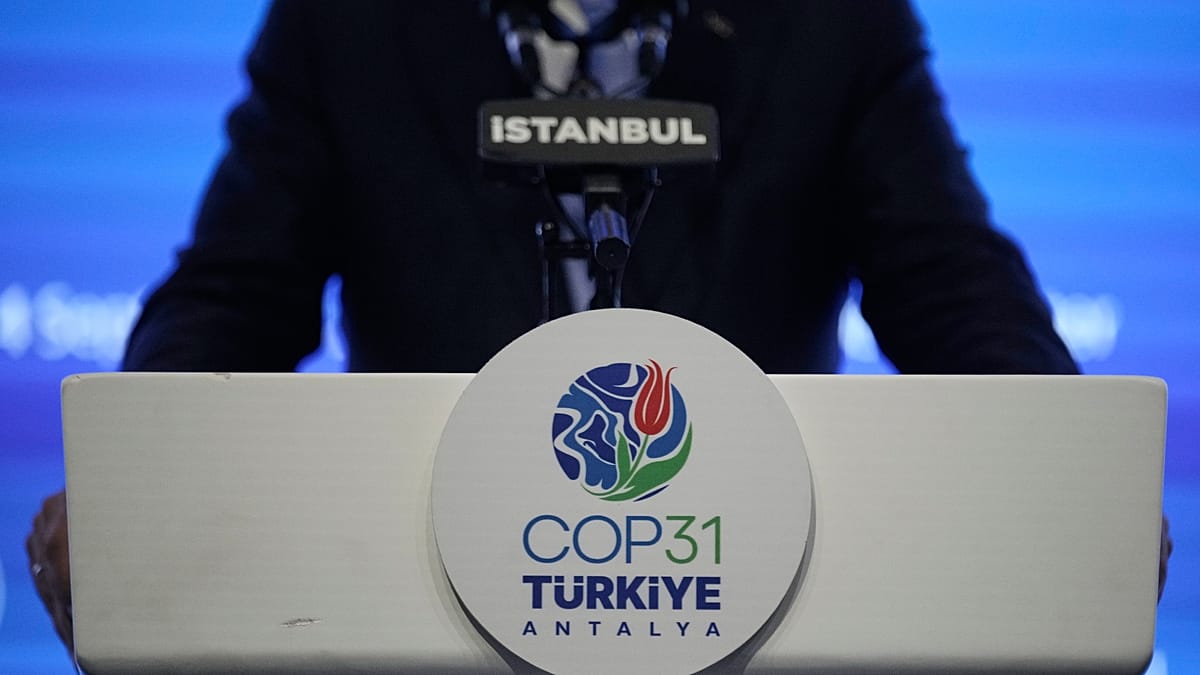
When delegates from 197 countries gather in the Turkish coastal city of Antalya on 9 November for COP31, they will do so against a backdrop of record heat, a global energy crisis, and the aftermath of devastating floods in Nepal. The two-week summit, hosted by Türkiye and co-steered by Australia in an unprecedented arrangement, is expected to be lighter on binding agreements than previous editions, with voluntary pledges and side initiatives taking the lead.
Electrification as the flagship theme
The hosts are pushing electrification as a central strategy to cut emissions and reduce dependence on fossil fuel imports. Their proposed voluntary target would raise the share of electricity in final energy demand from roughly 20% today to 35% by 2035. Turkish and Australian officials argue that shifting transport, heating, and industry to electric power could significantly lower greenhouse gas emissions and shield economies from volatile energy prices—a concern that has grown since the Middle East conflict disrupted global markets.
However, critics point out that around one-third of the world's electricity is still generated from coal. The electrification target does not specify how the additional power should be produced, raising questions about whether it would genuinely advance decarbonisation or simply shift emissions from one sector to another. "Electrification without clean power is like rearranging deck chairs on the Titanic," said one European climate diplomat, speaking on condition of anonymity.
Fossil fuel phaseout remains elusive
Efforts to secure a global consensus on phasing out coal, oil, and gas have stalled, and the issue is not a formal agenda item at COP31. In the absence of agreement, Brazil is expected to release a voluntary 'roadmap' for the transition away from fossil fuels, following the failure of similar negotiations at last year's summit. Meanwhile, about 60 countries demanding faster action have held their own breakaway conference outside the UN process, and it remains unclear how their demands will be accommodated in Antalya.
Türkiye and Australia have promised predictability and no last-minute surprises, but frustration over the fossil fuel impasse could spill into the negotiating rooms. The hosts are also spearheading voluntary initiatives on artificial intelligence, methane reduction, waste management, and climate-resilient cities, which will run parallel to the formal talks under a separate 'action agenda'.
Climate finance in the spotlight
Financial assistance from wealthy nations to poorer countries will be scrutinised again, especially after Nepal's flood disaster highlighted the disproportionate impact of climate change on vulnerable states. Kathmandu's appeal for aid has revived longstanding calls for historic polluters to increase contributions to help developing countries transition to renewable energy and recover from climate-related disasters.
Türkiye has positioned itself as a bridge between developed and developing nations, and incoming COP31 President Murat Kurum has said closing the climate finance "chasm" will be a key priority. The summit will also address the 2028 global stocktake, a five-yearly review of progress under the Paris Agreement. India has withdrawn its candidacy to host that meeting, and China is reportedly considering a bid as it seeks to burnish its climate credentials.
For European observers, the summit's outcomes will be closely watched, particularly as the EU pushes for stronger action on fossil fuels and climate finance. The bloc's own climate action remains critical, even as some member states grapple with energy security concerns. The broader context of climate change threatening European tourism and the housing squeeze in tourist hotspots adds urgency to the discussions.
As the world's largest climate gathering opens in Antalya, the gap between ambition and implementation will be on full display. Whether the voluntary pledges translate into real emissions cuts remains to be seen, but the pressure for concrete action has never been higher.