Romanian President Nicușor Dan on Monday signed into law a controversial measure that allows the preventive culling of 859 brown bears this year, a bill he had earlier challenged on constitutional grounds. The legislation, re-adopted by the Chamber of Deputies on 16 September, also permits the shooting of up to 110 other protected large wild animals as an intervention measure when they pose an immediate threat to human life.
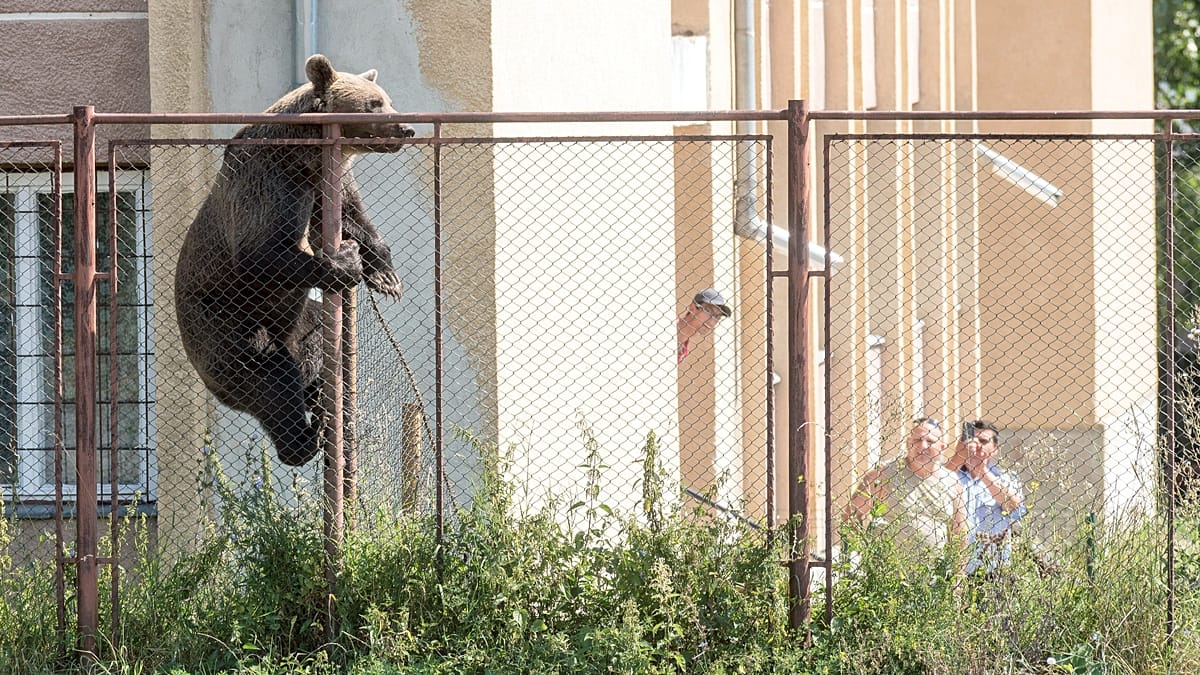
The law comes amid growing public concern over the increasing frequency of bear sightings in towns and villages across Romania, particularly in the Carpathian region. In recent years, the number of bear attacks has risen sharply, with several fatal incidents prompting calls for decisive action.
Europe's largest bear population under scrutiny
According to a recent survey, Romania is home to Europe's largest brown bear population, estimated at between 10,600 and 12,700 individuals. The country also boasts the greatest genetic diversity among bear species on the continent. However, this abundance has led to more frequent encounters with humans, as bears venture into inhabited areas in search of food.
The law, initiated by the Democratic Alliance of Hungarians in Romania (RMDSZ), was initially sent back to parliament by President Dan in August after he lodged a constitutional challenge. The Constitutional Court rejected his challenge, and Dan asked parliament to review and supplement the legislation, arguing that several points required clarification. The Chamber of Deputies subsequently approved the bill without amendments, in the form already passed by the Senate.
During the parliamentary debate, several lawmakers urged that the law be implemented as quickly as possible. Senator Tánczos Barna, acting deputy prime minister and one of the initiators, recalled that the alliance had requested nearly a year ago that preventive quotas be doubled for this year and for 2027.
However, some officials warn that it is now impossible to fulfil this year's quota. Last week, Covasna County prefect Ráduly István pointed out that the months-long legal wrangle has left too little time to shoot several hundred large wild animals. In Covasna County, which lies in the Szeklerland region, 86 bears should be culled this year, but only 30 have been removed so far. The prefect noted that the law was much needed because both the number of bears and the damage they cause had increased significantly in the county. In the first eight months of this year, around 300 emergency calls were registered over bears straying into built-up areas, and there were also two bear attacks.
The law will enter into force once it is published in the official gazette. While the measure has broad support among rural communities and local authorities, environmental groups have expressed concern about the long-term impact on the bear population. They argue that non-lethal measures, such as better waste management and public education, should be prioritised.
Romania's approach to bear management is being closely watched by other European countries facing similar challenges, particularly in the Alps and Scandinavia. The debate highlights the delicate balance between conservation and public safety in a region where human and wildlife habitats increasingly overlap.