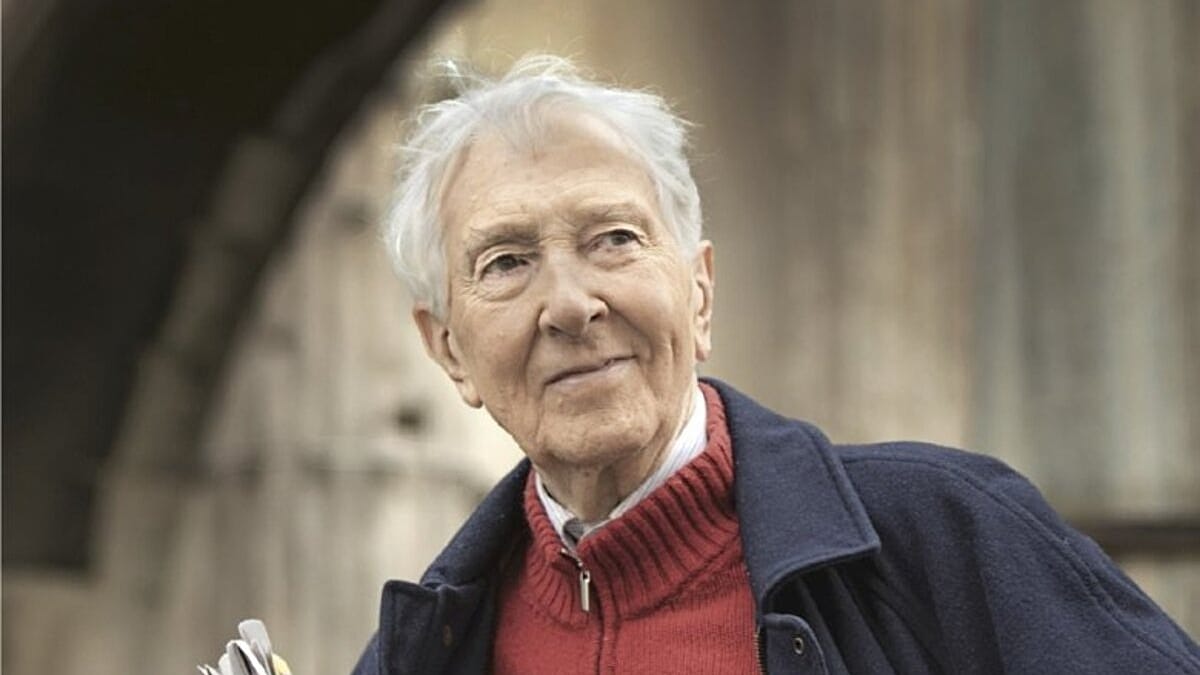
Corrado Augias, one of Italy's most respected journalists and television personalities, died on Thursday at the age of 91. His death was announced during a Senate debate, prompting an unusual moment of bipartisan tribute.
Augias was a founding contributor to the daily newspaper la Repubblica, where he worked as a correspondent and editorial writer for decades. He also edited the paper's letters page from 2001 to 2021, a role that kept him in close contact with readers across the country.
Born in Rome on 26 January 1935 to parents of French origin, Augias joined the Italian journalists' association in 1969. Over more than sixty years, he became a household name not only through print but also through television. His show Telefono Giallo, which he created for the public broadcaster Rai and presented from 1987 to 1993, made him famous for his calm, incisive handling of unsolved crime cases.
In later years, Augias worked with the private channel La7, hosting La Torre di Babele, a cultural talk show that reflected his broad intellectual interests. He also wrote crime novels and essays, earning praise for his accessible yet rigorous style.
Senate pays tribute
The news of his death reached the Senate during a debate on a school decree-law. Raffaella Paita, leader of the Italia Viva group, interrupted the session to announce it and proposed a round of applause. Senators from both the majority and opposition responded with prolonged applause, and Senate President Ignazio La Russa asked for a minute of silence.
Rome's mayor, Roberto Gualtieri, also paid tribute before a city council meeting. He called Augias "a major figure in culture and journalism, a committed intellectual and a citizen of Rome to whom we owe a great deal." Gualtieri expressed his personal sorrow and that of the entire city, offering condolences to Augias's family and friends.
Augias's death marks the end of an era in Italian journalism. His ability to combine elegance with sharp questioning, and to engage guests from all walks of life, set a standard for public discourse. His legacy will be remembered not only in Italy but across Europe, where his work inspired many who value thoughtful, independent media.