It is 11pm in a flat in Berlin, and a 34-year-old marketing manager is watering virtual tomatoes on a screen. Not because she has to, but because the act itself—repetitive, gentle, consequence-free—offers the only real pause in an otherwise relentless day. Across Europe, millions of adults are doing the same: tending pixel gardens, decorating digital homes, or chatting with animated raccoons after work. What once seemed like a childish pastime has become a deliberate disconnection ritual.
These are 'cozy games'—a genre defined by leisurely pace, soft aesthetics, and a deliberate lack of pressure. The exception, perhaps, is the notorious turnip market in Animal Crossing, where virtual vegetable trading can spike anxiety. But overall, these games offer a sanctuary. And their growth is not just a market trend; it is a cultural diagnosis of a generation shaped by economic crises and pandemic isolation.
A Pandemic Catalyst and a Growing Market
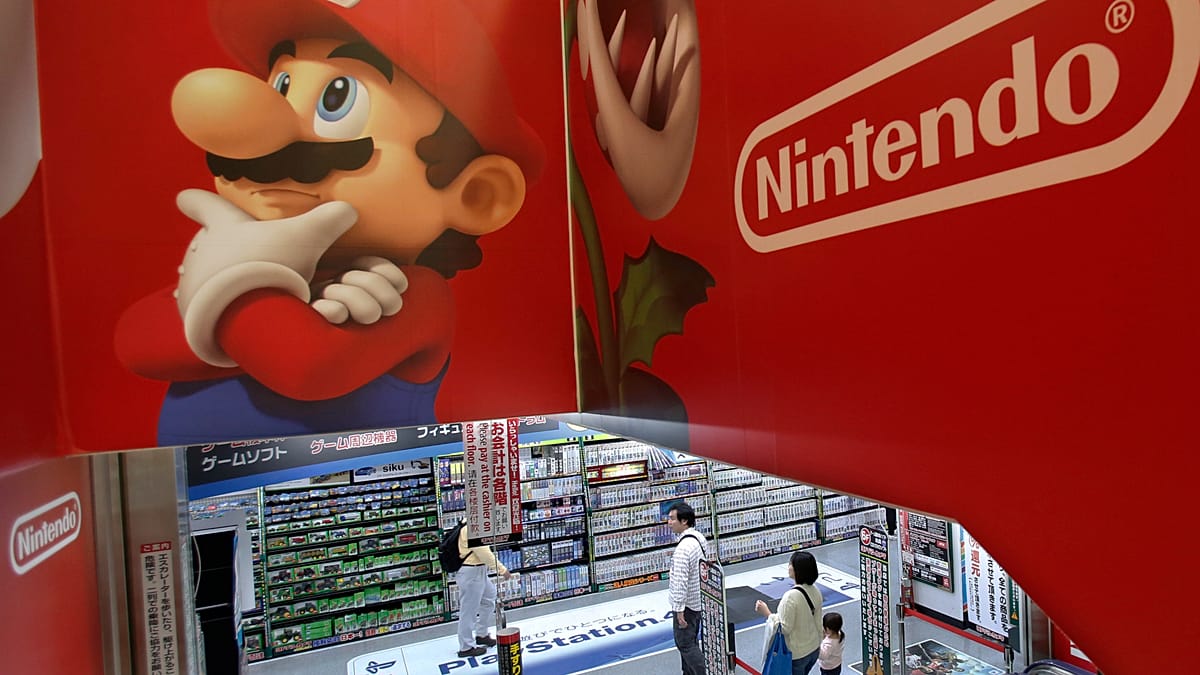
When Animal Crossing: New Horizons launched in March 2020, the world had been locked indoors for two weeks. Nintendo sold five million copies in three days. Today, the game has surpassed 46 million units, with an active community sharing island screenshots on social media like family albums. The timing was so perfect it seemed almost orchestrated.
The global video game market is now close to €171 billion, and the cozy game segment alone is worth over €855 million—a figure that has attracted attention from major studios. Traditionally a niche for low-budget indie titles, the genre now sees franchises like Pokémon and Tomodachi Life expanding its scope. According to recent studies, 58% of gamers play to relax or relieve stress; 80% believe video games help reduce stress; and 70% say they help with anxiety. In this context, the rise of cozy games responds to both a market opportunity and an emotional need.
For context, the shift mirrors broader changes in how Europeans consume entertainment. As GameStop's €56 billion eBay bid signals a shift in the circular economy, the gaming industry is also rethinking value—moving from high-octane competition to mindful engagement.
Burnout Has Its Own Pixels
Today's 25-to-40-year-old Europeans grew up with the promise that hard work yields results. But the 2008 banking crisis and the COVID-19 pandemic dashed those expectations. Talking about cozy games without mentioning anxiety is only half the story. According to Quantic Foundry, the majority of cozy game players are adults aged 25 to 44, and 60% are women. They are people with jobs, bills, and pending notifications who find in these games a space where time works differently.
The irony is that players end up doing on screen the same chores they avoid at home: washing dishes, cooking, or tolerating neighbours. But in pixel form, there are no consequences. No one shouts if you forget to water the tomatoes. No one is offended if you ignore a letter. The mechanics are the same; the pressure is different.
A 2019 study in the Journal of Cyberpsychology, Behavior, and Social Networking documented how slow-paced video games and safe environments reduced cortisol levels in gamers with high work stress. The effect is not about forgetting problems but about regulation: the brain finds in these predictable environments a way to calm down before facing the unpredictable again.
One Man, One Flat, 30 Million Copies
Stardew Valley is arguably the most important title in the genre, and its origin story reveals much about the industry. Eric Barone spent four years alone developing the game—programming, design, music, illustration—from his flat in Seattle. No studio, no outside funding, no team. In an interview with Polygon, Barone described the process as proving to himself "that I could do something worthwhile." The game has sold more than 30 million copies and continues to receive updates, despite launching in February 2016.
That longevity is unusual in an industry where big releases cost hundreds of millions and employ thousands. Stardew Valley cost four years of one person's life and an internet connection. What makes it relevant is not the romantic story of the lone developer but what it demonstrates about the genre: in cozy games, budget matters less than emotional resonance.
For European players, this resonates deeply. In cities like Paris, Milan, and Warsaw, where burnout rates are among the highest in the OECD, the appeal is clear. As Europe's best airport hotels offer a brief escape for travellers, cozy games offer a similar respite for the mind—a layover from reality.
The genre's growth also intersects with broader cultural shifts. A UN report on AI-generated harassment driving women out of public life underscores the need for safe digital spaces. Cozy games provide exactly that: a low-stakes environment where players can reclaim agency without fear.
Ultimately, the rise of cozy games is not about escapism in the traditional sense. It is about regulation—a way for a generation shaped by crisis to find balance. As one player in Amsterdam put it: "I don't play to forget my problems. I play to remember that I can handle them."