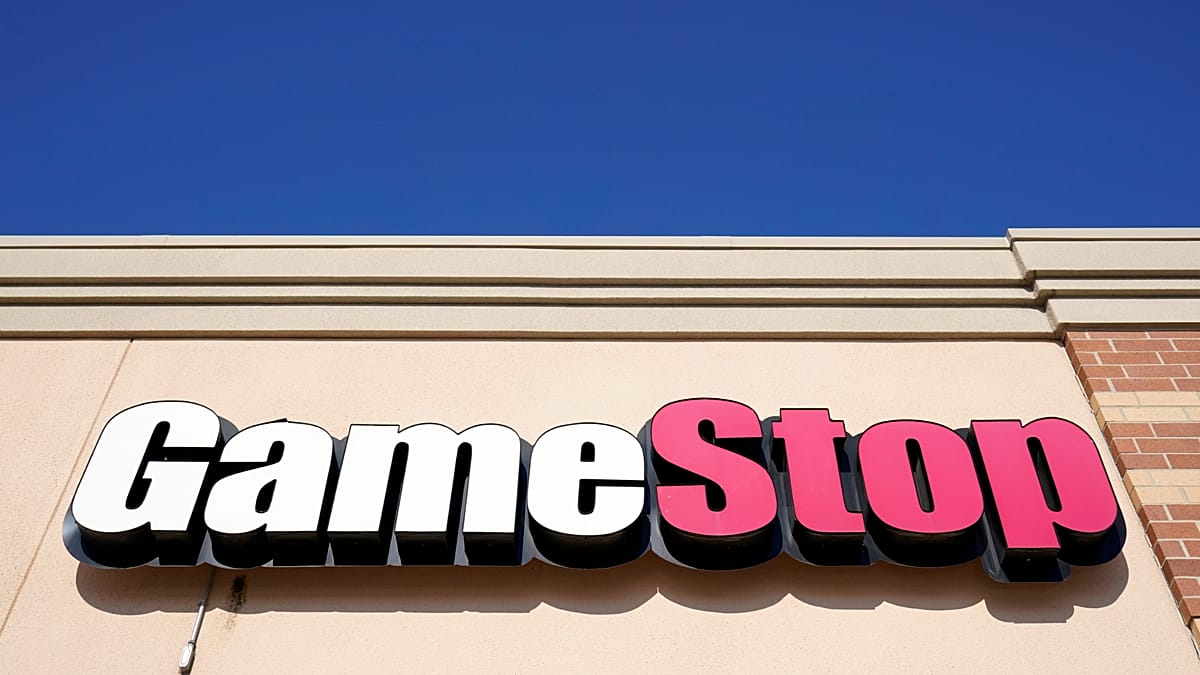
GameStop, the US-based video game retailer, has formally proposed a $56 billion (€47.8 billion) acquisition of eBay, a move that could reshape the landscape of online second-hand markets. The bid, announced via financial filings on Monday, seeks to combine GameStop's physical store network with eBay's digital auction infrastructure, creating a powerhouse in the circular economy—the market for pre-owned goods.
The proposal, orchestrated by CEO Ryan Cohen, marks a strategic pivot for GameStop, which has long been associated with mall-based sales of physical games. Under Cohen's leadership, the company has been shifting toward digital services and collectibles, and the eBay acquisition would accelerate that transformation. By integrating eBay's platform, GameStop could offer a seamless pipeline for users to trade hardware and software across both physical and digital storefronts, leveraging its "PowerUp Rewards" loyalty programme alongside eBay's seller tools.
Initial market reactions have been mixed. eBay's stock surged roughly 10% in pre-market trading, reflecting investor optimism about the premium offered. GameStop's shares remained relatively flat in pre-market but had risen over 6% during Friday's session before the news broke. The company plans to finance the deal through a combination of cash reserves and new equity issuance, though analysts question the long-term debt implications of such a massive purchase.
European Regulatory Hurdles Ahead
The deal faces significant regulatory scrutiny, particularly in Europe. Antitrust authorities in Brussels are expected to investigate the impact on competition within the secondary electronics market. A combined GameStop-eBay entity could exert considerable control over pricing and availability of pre-owned goods, potentially squeezing smaller independent sellers across the EU. This is not a hypothetical concern: similar consolidation in the tech sector has led to heightened oversight from the European Commission, which has been increasingly assertive in enforcing competition rules.
For European consumers, the merger could mean more integrated services for trading used electronics, but also fewer choices and potentially higher prices. The circular economy is particularly important in Europe, where sustainability goals and consumer demand for affordable second-hand goods are strong. Countries like Germany and France have robust markets for pre-owned electronics, and any shift in eBay's operations could ripple through these ecosystems.
The broader context of global wealth shifts also plays a role. As noted in our coverage of Nordic nations leading Europe's billionaire growth, the concentration of capital in the tech sector continues to drive mega-mergers. GameStop's bid is part of this trend, though its origins as a struggling retailer turned meme-stock phenomenon add a unique twist.
If the acquisition proceeds, it would be one of the largest consolidations in digital retail history. GameStop's physical footprint—still numbering thousands of stores across the US and Europe—would gain access to eBay's global user base, which processed billions in gross merchandise volume last year. The synergies could drive significant revenue growth, but the path to completion is fraught with challenges.
Regulators in multiple jurisdictions, including the US and the EU, are likely to intervene. The European Commission may demand concessions, such as divestitures or commitments to protect small sellers. GameStop remains confident, but the outcome is uncertain. For now, the bid stands as a bold bet on the future of the circular economy—one that could redefine how Europeans buy and sell pre-owned goods.