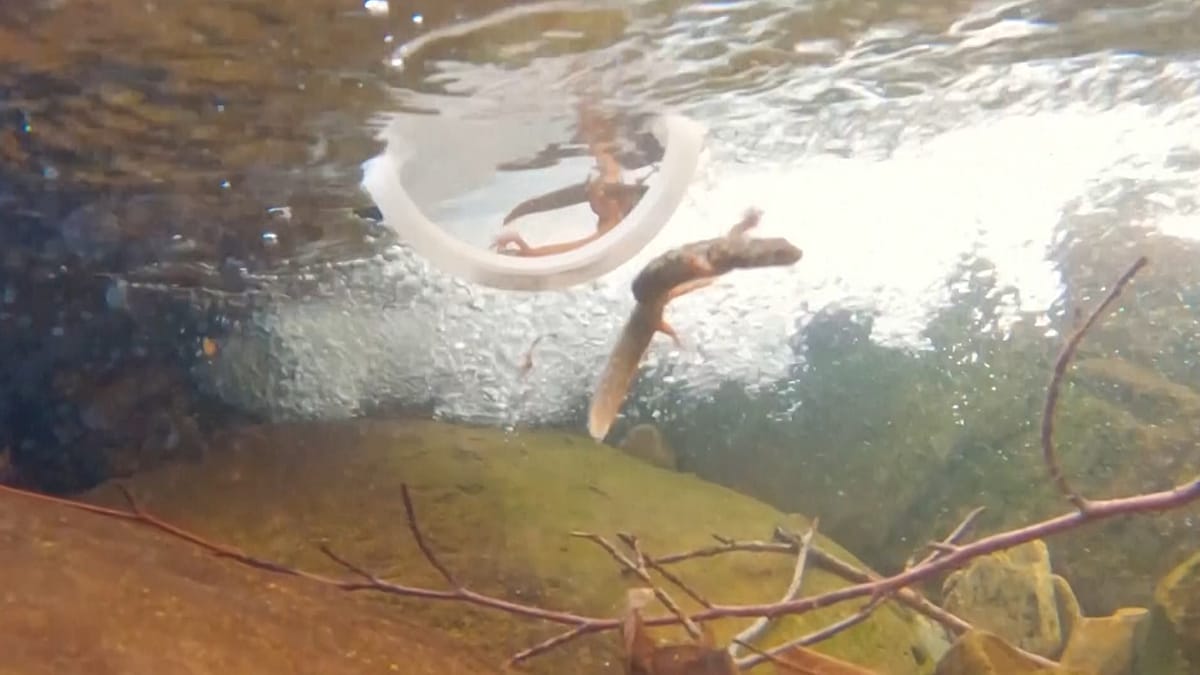
Conservationists have released dozens of critically endangered Montseny brook newts into a secret location in Catalonia, marking a significant step in efforts to save one of Europe's rarest amphibians. The species, known scientifically as Calotriton arnoldi, is found nowhere else on the continent except in a handful of streams in the Montseny massif, a mountain range northeast of Barcelona.
An amphibian on the brink
The Montseny brook newt has been classified as critically endangered by the International Union for Conservation of Nature (IUCN). Its entire wild population is confined to an area of less than 30 square kilometres, making it highly vulnerable to habitat loss, climate change, and pollution. In recent years, prolonged droughts and rising temperatures have further shrunk its already limited range.
“This release is the culmination of years of work by a consortium of European zoos and research institutions,” said a spokesperson for the Barcelona Zoo, which coordinates the captive breeding programme. The newts were bred in captivity at the zoo and at the Chester Zoo in the United Kingdom, with genetic support from the Leibniz Institute for Zoo and Wildlife Research in Berlin.
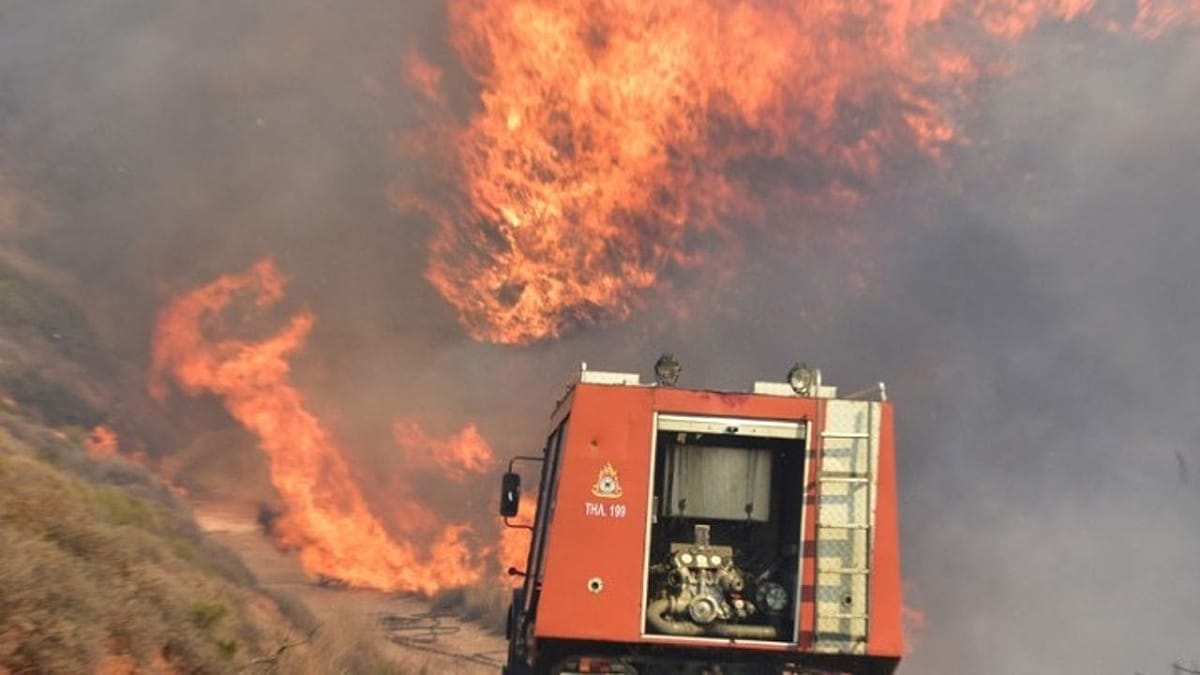
The exact release site has been kept confidential to protect the animals from disturbance and to prevent illegal collection. Conservationists hope that establishing a second wild population will reduce the risk of a single catastrophic event — such as a wildfire or a disease outbreak — wiping out the entire species. The risk of wildfires in the region is particularly acute, as Spain's wildfire season costs up to €3.275 billion in firefighting alone and has repeatedly threatened the Montseny area.
A European conservation effort
The project is a textbook example of cross-border collaboration. The captive population was built from a small number of wild individuals collected under permit, and the breeding programme has been carefully managed to maintain genetic diversity. The newts were raised in climate-controlled tanks that mimic the cool, fast-flowing streams of their native habitat.
“We had to recreate the precise water temperature, oxygen levels, and even the type of stones they use for shelter,” explained a biologist from the Catalan government's wildlife service. The animals were also screened for pathogens before release to avoid introducing diseases into the wild.
The reintroduction comes at a time when France and Spain race to contain wildfires as heatwave threatens new devastation, highlighting the broader environmental pressures on Mediterranean ecosystems. The Montseny massif, a UNESCO biosphere reserve, has seen its average temperature rise by 1.5°C over the past 50 years, pushing the newt's habitat to higher elevations.
“This species is a barometer for the health of our mountain streams,” said a researcher from the University of Barcelona. “If we can save the Montseny brook newt, we can protect the entire ecosystem it depends on.”
The release involved 45 adult newts and 120 larvae, all fitted with tiny passive integrated transponder (PIT) tags for monitoring. Over the coming months, teams will return to the site to track survival rates, reproduction, and dispersal. Early signs are encouraging: several females have already been observed carrying eggs.
While the newt's future remains uncertain, the project offers a rare glimmer of hope for amphibian conservation in Europe. As one of the continent's most threatened species, its recovery will depend on sustained funding, habitat protection, and continued international cooperation. The success of this release could serve as a model for similar efforts across the EU, where nearly a third of amphibian species are at risk of extinction.