Cuba's National Assembly has unanimously approved a package of 176 economic reforms aimed at loosening the state's grip on the economy and encouraging private-sector growth. The measures, presented by Prime Minister Manuel Marrero during a parliamentary session, mark the most significant shift in the island's economic model in years.
Among the key changes, foreign investors will no longer be required to form joint ventures with state-owned enterprises, a move that could open the door to greater international capital. The reforms also authorize the creation of large private firms and allow both domestic and foreign investors to acquire stakes in state-owned companies. This represents a notable departure from the centralized model that has defined Cuba's economy since the 1960s.
Urgency Amid Deepening Crisis
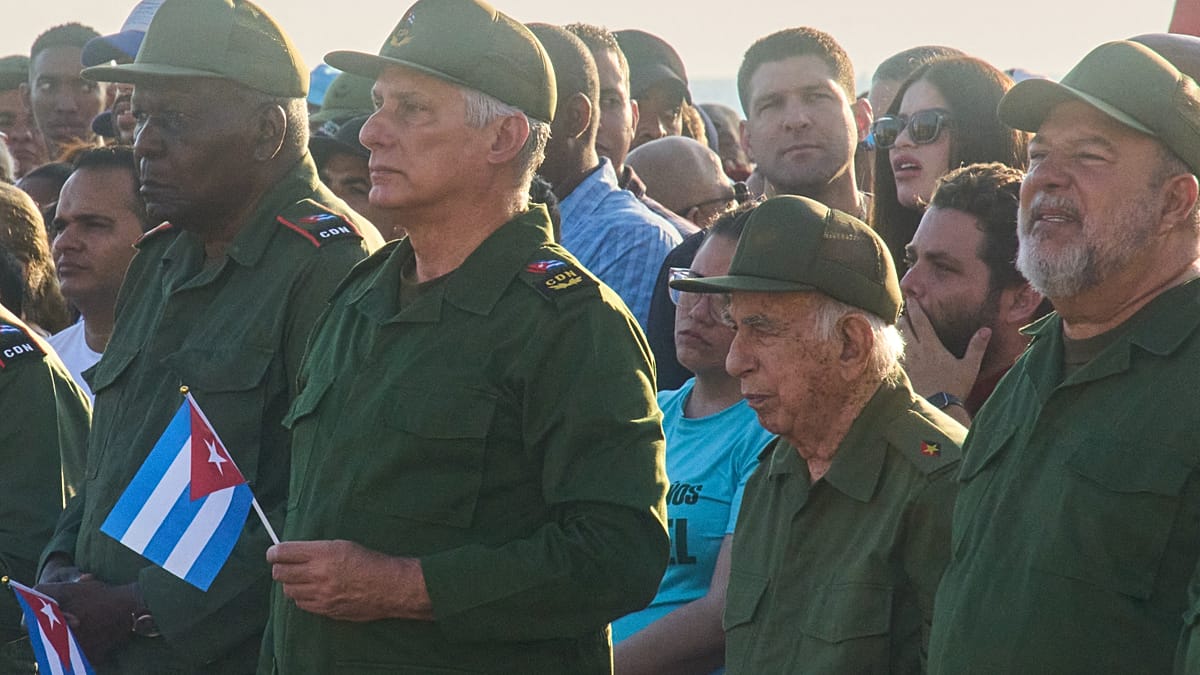
President Miguel Díaz-Canel, speaking after the vote, reiterated his government's commitment to socialism but acknowledged that urgent changes were needed. He pointed to the long-standing US trade embargo and restrictions on oil supplies as external causes of the crisis, but also admitted that internal factors—such as bureaucracy, administrative sluggishness, and outdated regulations—were limiting productive activity.
The Cuban economy is grappling with severe shortages of food, fuel, drinking water, and medicines, alongside frequent power cuts. Since the start of the year, only one oil tanker from Russia has docked on the island, highlighting the precariousness of energy supplies. The reforms have raised cautious optimism in some business sectors. Mario Gonzales, a restaurant manager in Havana, told local media that the new measures could help revive tourism and economic activity.
Prime Minister Marrero did not provide a specific timeline for implementing the reforms, but the speed of the legislative approval suggests a sense of urgency. The package was passed without dissent, reflecting the government's desire to present a unified front.
International Reactions and Context
The reforms come as Cuba faces increasing pressure from both domestic discontent and international isolation. US Vice-President JD Vance stated that Washington is holding talks with the Cuban government on possible economic and political changes on the island, though details remain scarce.
For European observers, the developments in Havana are a reminder of the complex interplay between state control and market forces that has played out across the continent in recent decades. While Cuba's situation is unique, the debate over the role of the state in the economy resonates in many European capitals, from Paris to Berlin. The reforms also have implications for European companies that have long been interested in the Cuban market but were deterred by the requirement to partner with state entities.
The European Union has maintained a critical dialogue with Cuba, focusing on human rights and economic reforms. The new measures could provide a fresh impetus for EU-Cuba trade and investment, particularly in sectors like tourism, agriculture, and renewable energy. However, the US embargo remains a significant obstacle, as it restricts the ability of European firms to do business with Cuba without facing American sanctions.
As Cuba navigates this delicate transition, the world will be watching to see whether the reforms can deliver tangible improvements in living standards without undermining the political system that has defined the island for decades. For now, the approval of the 176 measures represents a bold step, but one whose success will depend on implementation and the broader geopolitical context.