As the European Union rolls out its Anti-Poverty Strategy, a grassroots initiative in Cyprus is demonstrating how localised, human-centred support can transform lives. The Neighbourhood Social Worker programme, which pairs vulnerable residents with dedicated professionals, has already reached 4,000 people across the island, offering what one beneficiary calls “a ray of light.”
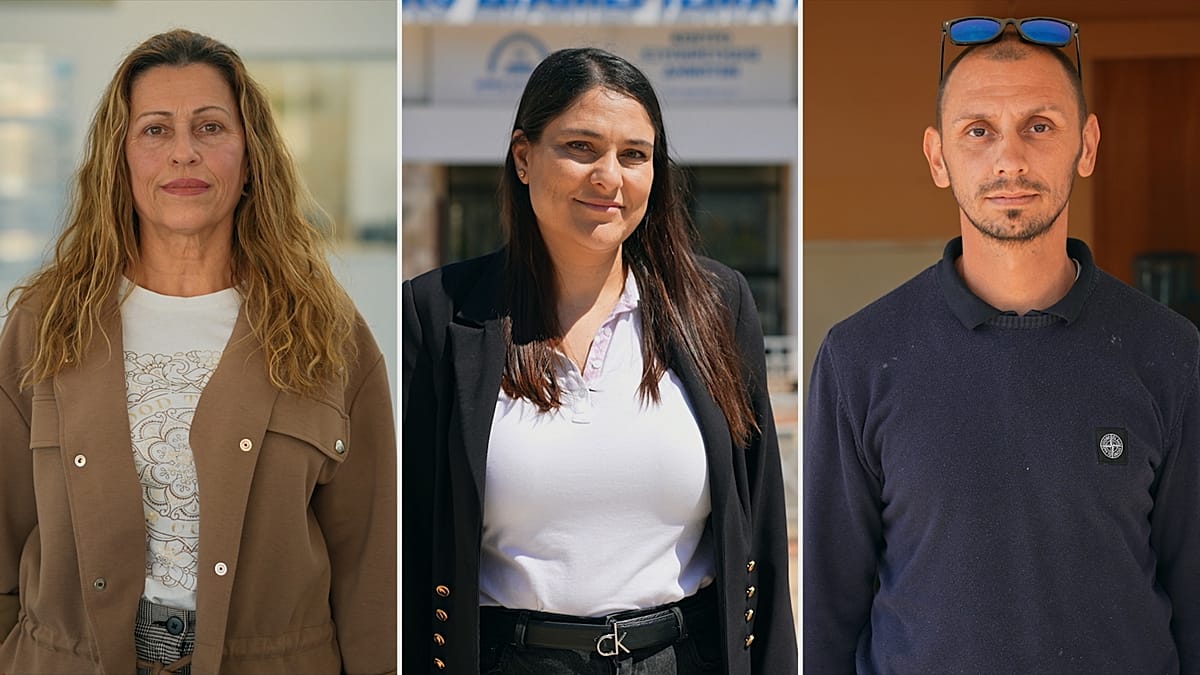
Marianna Andreeva, a 57-year-old mother from Nicosia, was struggling to care for her 20-year-old autistic son while managing her own well-being. She turned to Antri Nikolaou, a neighbourhood social worker who helped with paperwork, arranged respite care, and guided her son’s daily routine. The support allowed Andreeva to return to part-time work. “To me, it was like a ray of light in my life,” she said.
Single parent Emil Stefanov, who lives with his two young daughters in Limassol, also received tailored assistance from Nikolaou. The social worker ensured the family had electricity, secured childcare, and helped Stefanov navigate job applications. “Whatever is missing, whatever we’re searching for together, Antri is right here with us,” Stefanov told local media.
Prevention, Personalisation, Proximity
The programme’s design rests on three principles: prevention, personalisation, and proximity. Social workers are assigned to specific neighbourhoods, allowing them to build trust and respond quickly to emerging needs. This model contrasts with more centralised, bureaucratic welfare systems common in other EU member states.
Cyprus’s approach comes at a pivotal moment. The European Commission’s Anti-Poverty Strategy, announced earlier this year, sets a target of reducing the number of Europeans at risk of poverty or social exclusion by 15 million by 2030, with an ultimate goal of eradicating poverty by 2050. The Cypriot programme offers a concrete example of how such ambitions can be implemented at the community level.
Across the continent, social welfare systems face strain from rising living costs, an ageing population, and the lingering effects of the pandemic. In countries like Greece, Italy, and Spain, similar neighbourhood-based models are being piloted, but Cyprus’s programme is among the most advanced. The European Commission has cited it as a potential template for other member states.
The initiative also highlights the broader challenge of social exclusion in Europe. According to Eurostat, roughly 21% of the EU population—over 95 million people—were at risk of poverty or social exclusion in 2023. Vulnerable groups include single-parent families, people with disabilities, and the long-term unemployed.
For Marianna Andreeva, the impact is deeply personal. “Antri didn’t just give me advice; she gave me hope,” she said. “Now I can work, my son is calmer, and we have a routine.”
As the EU pushes forward with its poverty reduction targets, the Cypriot model shows that small-scale, human interventions can yield outsized results. Whether other countries can replicate its success will depend on political will, funding, and a willingness to prioritise proximity over bureaucracy.