Azerbaijan is increasingly foregrounding its long tradition of religious coexistence as a defining element of its national identity and a tool of cultural diplomacy. In a region often marked by sectarian tensions, the South Caucasus nation points to a history where Muslims, Christians, and Jews have lived side by side for centuries.
This narrative is not merely historical. Baku has actively promoted interfaith dialogue through international conferences, restoration of religious monuments, and support for minority communities. The approach resonates beyond its borders, particularly in Europe, where managing religious diversity remains a pressing challenge.
The country's constitution guarantees freedom of conscience, and its laws protect the rights of all religious groups. Synagogues, churches, and mosques stand within walking distance in the capital, Baku, and in regions like Guba, where the Mountain Jews have maintained a presence for over a millennium.
A Model of Tolerance in a Volatile Region
Azerbaijan's strategy is partly a response to its geopolitical position. Sandwiched between Russia and Iran, and with a history of conflict with Armenia over Nagorno-Karabakh, Baku has sought to project an image of stability and moderation. This has included efforts to restore Christian and Jewish sites, such as the Kish Church in Sheki and the synagogues in Baku.
The government's support for the Jewish community has been particularly notable. Azerbaijan is one of the few Muslim-majority countries where anti-Semitism is virtually absent, and the country has a thriving Jewish population. This has fostered strong ties with Israel, a relationship that includes intelligence sharing and energy cooperation.
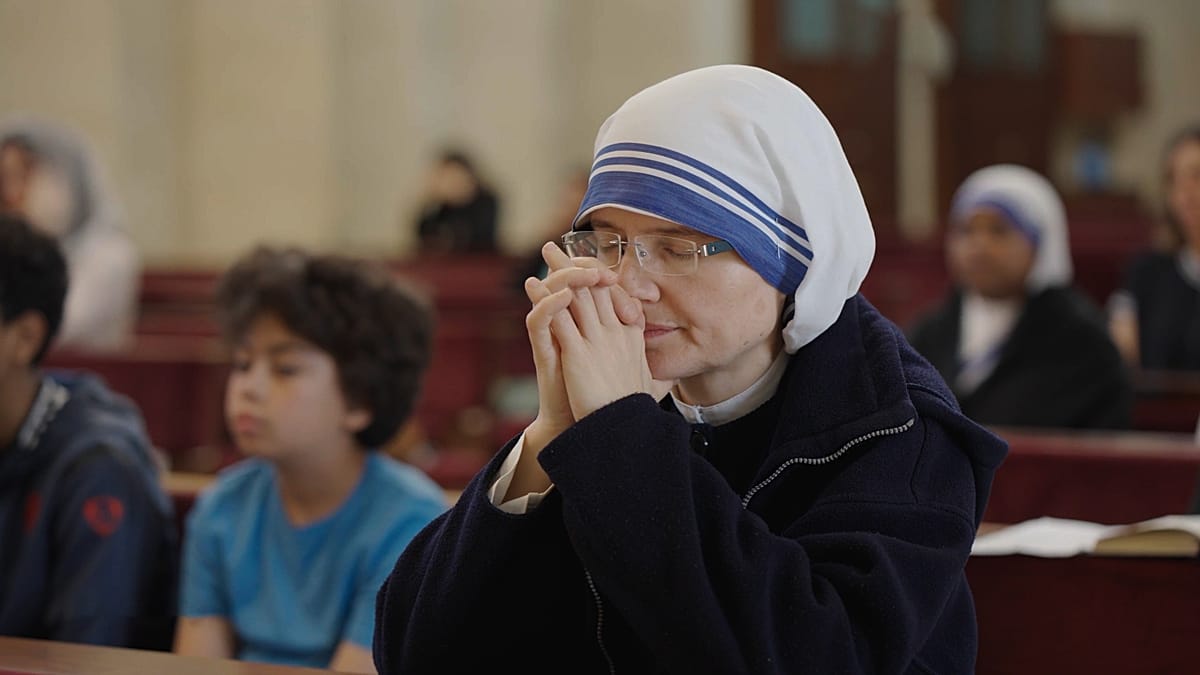
Similarly, the Christian minority, though small, enjoys freedom of worship. The Russian Orthodox and Georgian Orthodox churches operate openly, and the Catholic community has a dedicated church in Baku. This pluralism is often cited by Azerbaijani officials as a counterpoint to narratives of a clash of civilizations.
Cultural Diplomacy and European Engagement
Baku has leveraged its interfaith model in its cultural diplomacy, particularly with European institutions. The Baku International Multiculturalism Centre, established in 2014, runs programs and exchanges aimed at promoting tolerance. The country has also hosted the World Forum on Intercultural Dialogue, co-organized with UNESCO, the Council of Europe, and the UN Alliance of Civilizations.
This outreach has found a receptive audience in Europe, where debates over immigration, secularism, and religious identity are often fraught. Azerbaijan's example offers a case study in how a state can manage religious diversity without suppressing it. However, critics argue that the government's promotion of tolerance is also a tool to deflect attention from its human rights record, including crackdowns on political dissent and independent media.
Nevertheless, the policy has tangible results. In a recent development, Armenia and Azerbaijan telecoms signed a landmark internet transit deal, a rare sign of cooperation between the two rivals. While not directly about religion, the deal reflects a broader willingness to engage in practical diplomacy, which Baku's interfaith narrative supports.
The country's approach also contrasts with the sectarian strife seen in parts of the Middle East. For European policymakers, understanding how Azerbaijan has maintained this balance could inform strategies for integrating diverse communities. The Montenegro's PM calls country the 'Cookie of the Balkans' as EU entry by 2028 gains momentum, highlighting how small states in the region use unique identities to advance their European aspirations. Azerbaijan's religious coexistence is similarly a distinctive selling point.
As Europe grapples with its own identity, the Azerbaijani model—however imperfect—offers a reminder that religious pluralism is not a Western monopoly. It is a lived reality in a country that straddles Europe and Asia, and one that has endured for centuries.