EU finance ministers are poised to approve Hungary's revised National Recovery Plan at the ECOFIN meeting on Friday, a move that would allow Budapest to access €10 billion in post-pandemic recovery funds once it meets all outstanding conditions. The decision marks a significant step forward after years of deadlock between Brussels and Budapest over systemic corruption concerns.
For years, a substantial portion of the recovery and cohesion funds allocated to Hungary has been frozen by the European Commission due to worries about corruption risks. The impasse has been a major point of contention, with previous Hungarian governments under Viktor Orbán resisting EU demands for reforms.
New Government, New Approach
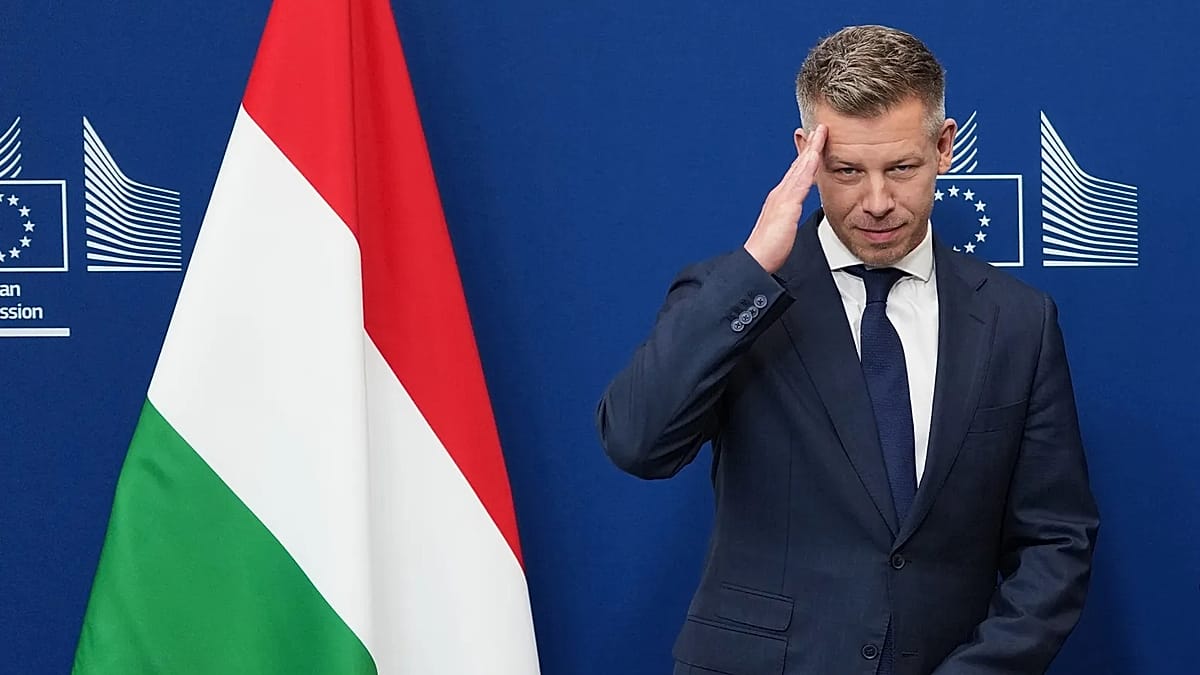
Hungarian Prime Minister Péter Magyar, who secured a landslide victory in April's elections, made unlocking these EU funds a central campaign promise. Since taking office, he has negotiated a political agreement with European Commission President Ursula von der Leyen to advance the process. The revised plan, reviewed by the new government after the elections, addresses many of the Commission's earlier concerns.
An EU diplomat, speaking on condition of anonymity, expressed optimism about the Council's approval, noting that the process had gone smoothly so far. Approval requires unanimous backing from all 27 member states, and Hungary must also meet all related "super milestones" by the end of August to receive the funds.
"It will be an important meeting, as this is the last legal step before our country can access several thousand billion forints of EU funds," Hungarian Finance Minister András Kármán said in a social media post ahead of his trip to Brussels.
The release of these funds is expected to provide a significant boost to Hungary's economy, which has faced challenges including high inflation and a tight labor market. The money will be used for investments in green energy, digital transformation, and infrastructure projects, aligning with broader EU priorities.
This development comes as the EU continues to grapple with questions about fiscal solidarity and the rule of law. The bloc's ability to withhold funds over corruption concerns has been a key tool in enforcing democratic standards, as seen in similar cases involving Poland. The Hungarian case will be closely watched as a test of this mechanism's effectiveness.
Meanwhile, other EU member states are pursuing their own ambitious financial strategies. For instance, Spain has proposed an €850 billion annual EU joint borrowing plan to address geopolitical tensions and economic challenges. Such initiatives highlight the ongoing debate within the bloc about the balance between national sovereignty and collective action.
The approval of Hungary's plan also underscores the importance of the EU's recovery fund as a tool for post-pandemic economic revitalization. As the continent emerges from the crisis, the effective deployment of these resources will be crucial for ensuring long-term growth and resilience.
In related news, EU funds are being used to finance Budapest's first social housing project in 25 years, converting a former school into affordable homes. This project exemplifies how EU money can directly benefit local communities when governance conditions are met.
Looking ahead, the success of Hungary's recovery plan will depend on its ability to implement the required reforms and meet the milestones set by the Commission. The new government's commitment to transparency and anti-corruption measures will be closely scrutinized by both EU institutions and civil society.