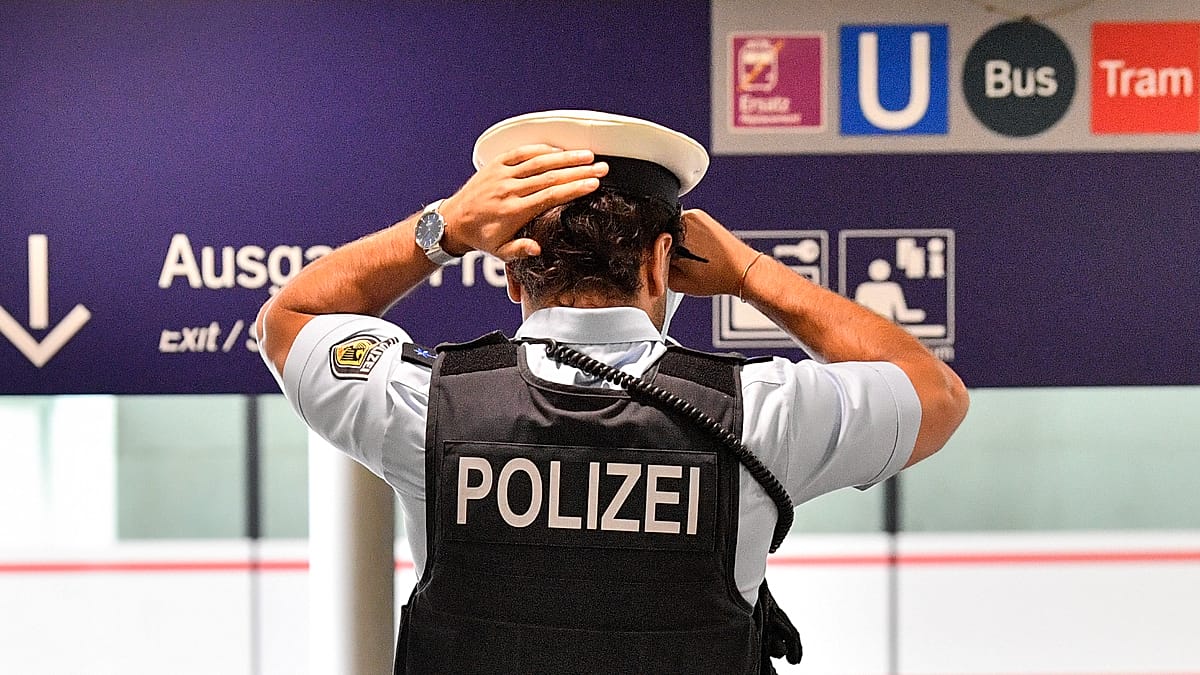
At Frankfurt am Main central station, Deutsche Bahn warns passengers about pickpockets on board trains. Leaving the station, travellers encounter drug users in Kaiserstraße and nearby streets. Police are present, but visible change has been slow.
Violence at Germany's railway stations is now a pressing concern for officials. This weekend, the federal police increased their presence at stations in ten major cities. Yet Frankfurt is not the worst affected.
Which Stations Are Most Dangerous?
In 2025, Leipzig central station recorded 859 violent offences, Dortmund central station 735, and Berlin central station 654. The fatal attack on a train guard in Rhineland-Palatinate last February shocked the nation, sparking debate about assaults on Deutsche Bahn employees.
According to police statistics, 27,800 violent offences occurred at railway stations last year, including 980 knife attacks and more than 2,200 sexual offences. There were 5,660 acts of violence against federal police officers. Non-Germans were disproportionately represented among suspects.
Criminologist Dirk Baier calls stations “hotspots of crime.” But he told WELT that violence is more visible there because police presence is higher and incidents are reported more frequently. “In my view there is no major station in Germany that is a no-go area,” he said. Indeed, opposite Frankfurt central station, families and women shop at chemists and supermarkets without issue.
Political Responses
The deputy head of the CDU parliamentary group in the Bundestag, Günter Krings, advocates for technological measures such as more cameras to ease the burden on police. The AfD describes stations as “spaces of fear” and calls for tougher sentences, consistent deportations, and increased police presence.
Greens domestic policy spokesman Marcel Emmerich argues that video surveillance cannot replace officers on the ground. He criticises the government for deploying thousands of federal police officers for “expensive, useless and unlawful border controls” instead of strengthening station security.
Meanwhile, suspected sabotage has hit the German Navy, raising broader security concerns across the country.
Weapons and Alcohol Bans
According to Süddeutsche Zeitung, weapons bans now apply from Friday to Sunday at Munich central station and Ostbahnhof, as well as at central stations in Nuremberg, Regensburg, and Rosenheim. Officers can stop, question, and search people without specific reason. A ban on alcohol consumption has been in force at Cologne central station since April, now extended to Bonn, Düsseldorf, Duisburg, Essen, Dortmund, and Münster. Deutsche Bahn, which holds property rights at stations, enforces these rules.
These measures come as Poland surges ahead economically, while eastern Germany's catch-up stalls. The contrast highlights differing regional dynamics within the continent.
As Germany grapples with station crime, the debate reflects broader tensions over policing, migration, and public safety. The effectiveness of bans and cameras remains to be seen, but the pressure on officials to act is undeniable.