This evening, European Pulse brings you a concise roundup of the day's most significant developments across the continent and beyond. From high-stakes negotiations in Brussels to a worrying health alert along the Mediterranean coast, here is what you need to know.
Political Turmoil in Berlin and Paris
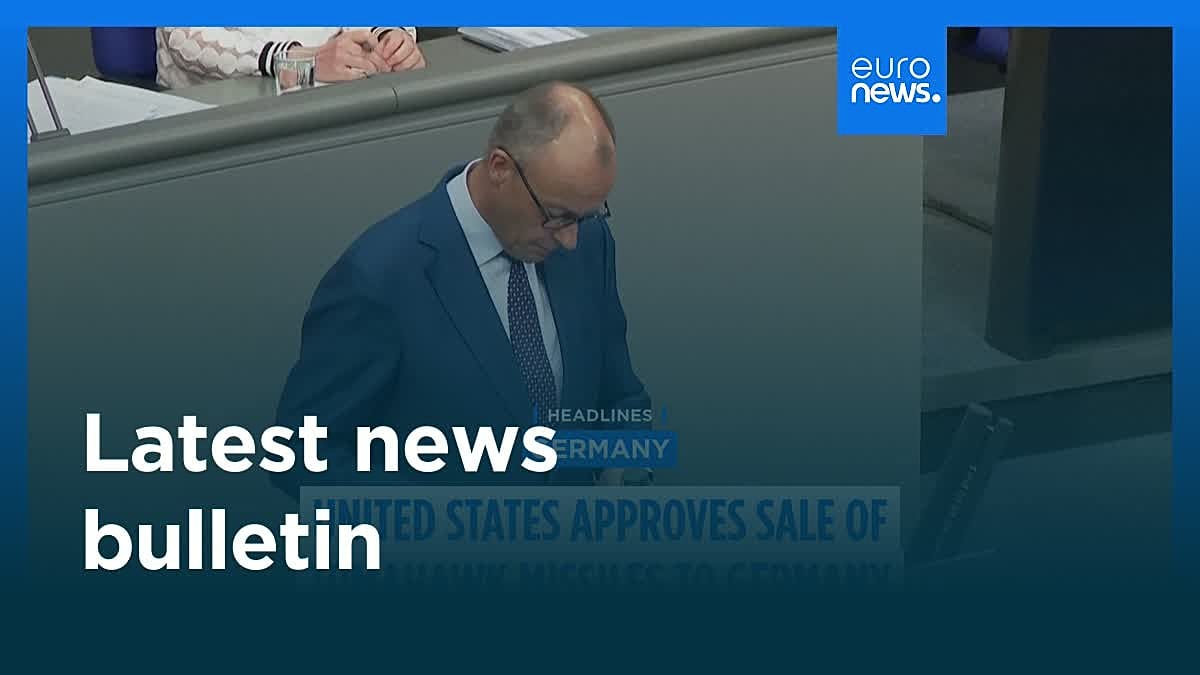
In Germany, Chancellor Olaf Scholz faced a no-confidence vote in the Bundestag this afternoon, triggered by the opposition CDU/CSU over the government's handling of the energy transition and rising industrial costs. The motion failed to secure a majority, but the narrow margin—only 12 votes—has exposed deep fractures within the ruling coalition. Analysts in Berlin suggest that snap elections could be called before the end of the year if the coalition cannot agree on a revised budget by September.
Meanwhile, in Paris, President Emmanuel Macron addressed the nation from the Élysée Palace, announcing a major reshuffle of his cabinet after the resignation of the Minister of the Interior. The move comes amid growing protests over proposed pension reforms and a controversial immigration bill. Macron stressed the need for "unity and determination" as France prepares to host the next EU summit in October.
EU Court Rules on Data Privacy
The European Court of Justice in Luxembourg delivered a landmark ruling today, striking down a key provision of the EU's Data Governance Act that allowed companies to transfer personal data to non-EU countries without explicit consent. The court argued that the provision violated the Charter of Fundamental Rights, particularly the right to privacy. The decision has immediate implications for tech giants and financial institutions operating across the bloc, and is expected to trigger a wave of compliance reviews. The ruling also reinforces the EU's position as a global standard-setter in digital rights, a topic explored in depth in our recent piece on how children are adopting AI faster than adults.
Climate Adaptation in the Alps
The European Commission today approved a €340 million funding package for a new project aimed at protecting Alpine water towers from the effects of climate change. The initiative, led by Austria, Switzerland, and Italy, will model future scenarios for headwater catchments and develop early-warning systems for floods and droughts. This builds on earlier efforts highlighted in our report on the Alpine Water Tower Under Threat. The project is seen as a critical test case for cross-border climate resilience in mountainous regions.
Health Alert: Rising Sea Temperatures and Flesh-Eating Bacteria
Health authorities in Greece, Italy, and Spain have issued warnings after a sharp increase in cases of Vibrio vulnificus, a flesh-eating bacterium that thrives in warm seawater. The European Centre for Disease Prevention and Control (ECDC) reports that sea surface temperatures in the Mediterranean have exceeded 28°C in several coastal areas, creating ideal conditions for the pathogen. At least 15 cases have been confirmed this month, with three fatalities. The ECDC advises swimmers to avoid entering the sea with open wounds and to seek immediate medical attention if symptoms develop. For a broader look at this trend, see our analysis of rising sea temperatures driving outbreaks across Europe.
Business Brief: Pay Transparency and Carbon Permits
In corporate news, the first batch of reports under the EU's new Pay Transparency Directive has revealed systemic wage gaps beyond gender, including disparities based on ethnicity and disability. The data, published by companies in Germany, France, and the Netherlands, shows that women in senior roles still earn on average 18% less than their male counterparts. The European Commission has pledged to enforce penalties for non-compliance by early 2027. Meanwhile, the European People's Party (EPP) is pushing to extend free carbon permits for heavy industry beyond 2030, a move that has drawn criticism from environmental groups. Our earlier coverage of the EPP's proposal provides context on the ongoing debate.
That concludes this evening's roundup. Stay with European Pulse for continuous coverage of the stories that shape our continent.