For centuries, the Alps have served as Europe's natural reservoir, feeding major rivers like the Rhine, Rhône, Po, and Danube. But as the continent warms at an accelerated pace — the mountain range is heating roughly twice as fast as the global average, according to the IPCC — the reliability of this 'water tower' is coming into question. An EU-funded initiative called Waterwise is now working to quantify the risks and help communities adapt.
Bridging Data Gaps in Remote Catchments
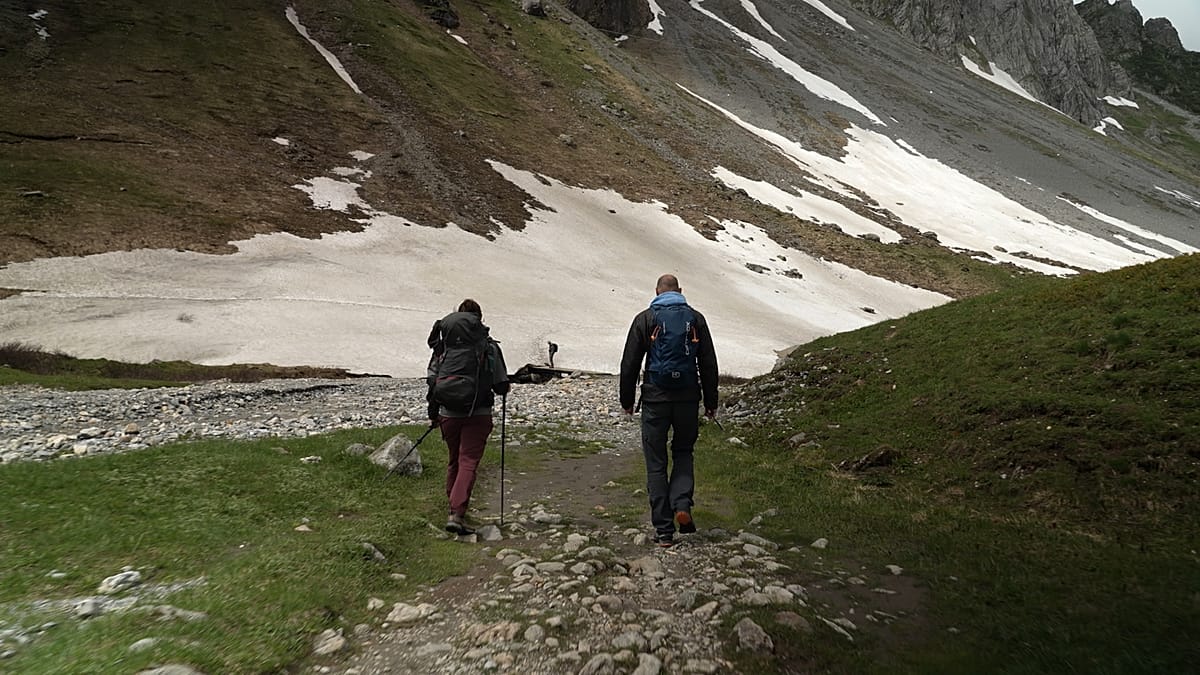
At the heart of the project is an effort to collect an unprecedented volume of data from high-altitude headwater catchments — the small streams and lakes that form the origins of Europe's major waterways. One pilot site is the Contamines-Montjoie Nature Reserve, near the French side of Mont Blanc. There, reserve warden Geoffrey Garcel recently hiked to Plan Jovet, where two lakes sit beside a glacier that has all but disappeared. 'We only protect what we know,' Garcel said. 'This project aims to increase knowledge, and therefore increase protection.'
These catchments are notoriously difficult to monitor due to their rugged terrain. Waterwise is filling the gaps by combining existing datasets with field surveys and the installation of lightweight sensors called 'smart rocks' placed directly in watercourses. The sensors measure water quantity, ecological status, and temperature. This hydrological data is then cross-referenced with socio-economic information on farming, energy production, and tourism.
Multiple Pressures on a Fragile System
The Contamines-Montjoie Reserve illustrates the competing demands on Alpine water. Each year, thousands of hikers traverse the famous Tour du Mont Blanc trail that crosses the reserve. In summer, cattle graze along mountain streams. French energy company EDF diverts some water to supply a power plant in a neighbouring valley. These pressures have already forced the reserve to adopt adaptation measures, such as restricting access to sensitive areas during dry periods.
Waterwise brings together 12 partners from five countries: France, Germany, Switzerland, Austria, and Slovenia. With a total budget of €2.69 million — of which €1.61 million comes from the European Regional Development Fund (ERDF) — the project aims to model how Alpine water resources will evolve under different climate scenarios and human pressures.
One key output will be an open-access 'digital toolbox' that allows decision-makers and local stakeholders to explore the data and jointly discuss adaptation strategies. 'Drawing on the knowledge of mountain-territory stakeholders is another important strand of Waterwise,' the project team notes. The goal is to move beyond top-down scientific assessments and co-create solutions that are grounded in local realities.
The stakes are high. Beyond the Alps themselves, the water that originates in these headwater catchments sustains agriculture, industry, and drinking supplies for millions of people across the lowlands. As the Waterwise project models Alpine futures, its findings could inform water management policies far beyond the mountain peaks.