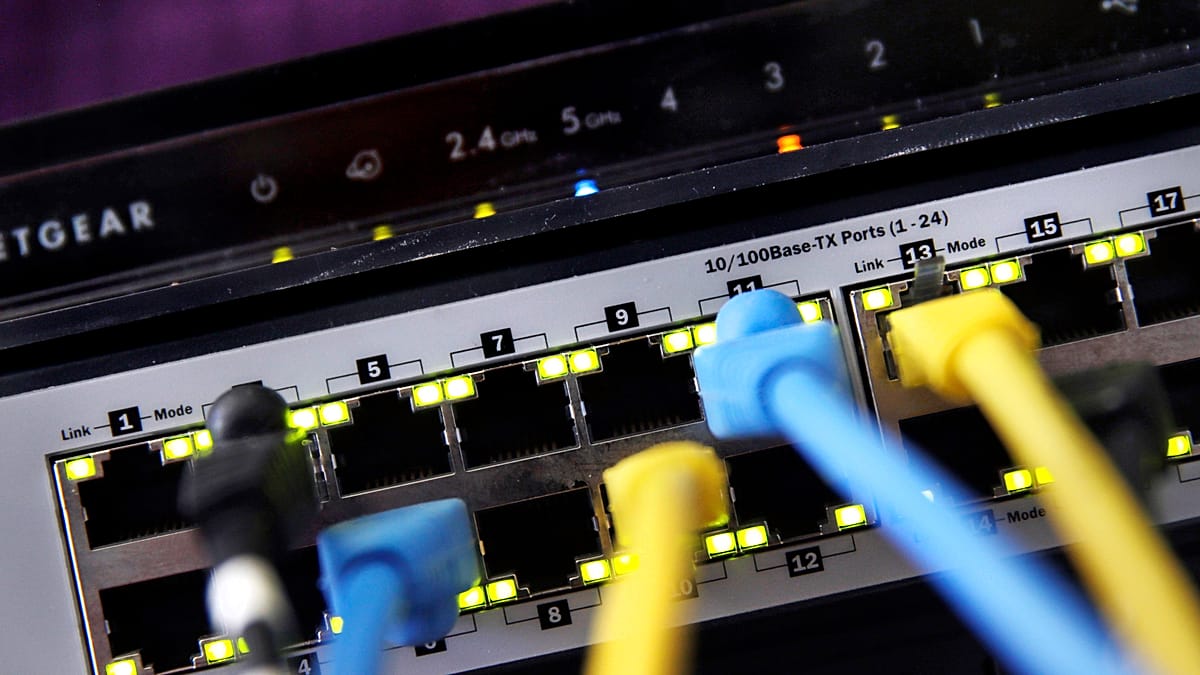
In a significant step for the South Caucasus, Armenia and Azerbaijan have signed a landmark agreement to transit internet traffic through each other's territories. The deal, announced by leading telecom operators Telecom Armenia and AzerTelecom, aims to diversify regional connectivity routes and enhance the reliability of telecommunications networks across Eurasia.
Both companies issued nearly identical statements, each describing itself as "the leading transit operator in the region." Telecom Armenia said it is "ensuring transit through its own infrastructure to Azerbaijan," while AzerTelecom confirmed it "ensures the transit of internet traffic to Armenia using its own infrastructure." The operators emphasized that such agreements are designed to diversify connection routes, increase network resilience, and develop cooperation in the telecommunications sector.
Digital Silk Way and Regional Integration
AzerTelecom is also advancing the Digital Silk Way project, a major initiative to establish a new digital corridor between Europe and Asia. This includes a fibre-optic cable beneath the Caspian Sea, which will connect multiple regions and improve global data exchange capacity. The internet transit deal with Armenia fits into this broader vision of regional integration.
The agreement marks a tangible outcome of the ongoing peace process between the two former rivals, who fought a decades-long conflict over the Nagorno-Karabakh region. While political negotiations continue, practical cooperation in areas like telecommunications and trade is building trust. In a related development, another shipment of over 400 tonnes of fertiliser was delivered from Russia to Armenia via Azerbaijani transit routes, following earlier deliveries of diesel, petrol, grain, and other goods.
Since the start of this trade corridor, more than 14,000 tonnes of diesel and over 4,000 tonnes of petrol have been exported from Azerbaijan to Armenia, while over 32,000 tonnes of grain, more than 7,000 tonnes of fertiliser, and smaller quantities of aluminium, buckwheat, and anthracite have passed from Russia to Armenia via Azerbaijani territory. These flows demonstrate a growing economic interdependence that could underpin a lasting peace.
The internet transit deal also has implications for European connectivity. By creating alternative data routes that bypass traditional chokepoints, the South Caucasus can become a more reliable link in the global internet backbone. This is particularly relevant as European policymakers seek to diversify digital infrastructure and reduce reliance on single corridors, especially in light of geopolitical tensions in other regions.
While the peace process between Armenia and Azerbaijan remains fragile, such technical agreements provide a foundation for broader cooperation. The European Union has supported normalization efforts, and this deal aligns with the bloc's interest in a stable and connected Eastern neighborhood. For now, the focus remains on implementing the transit agreement and expanding the Digital Silk Way, which could transform the region into a key node in the global digital economy.