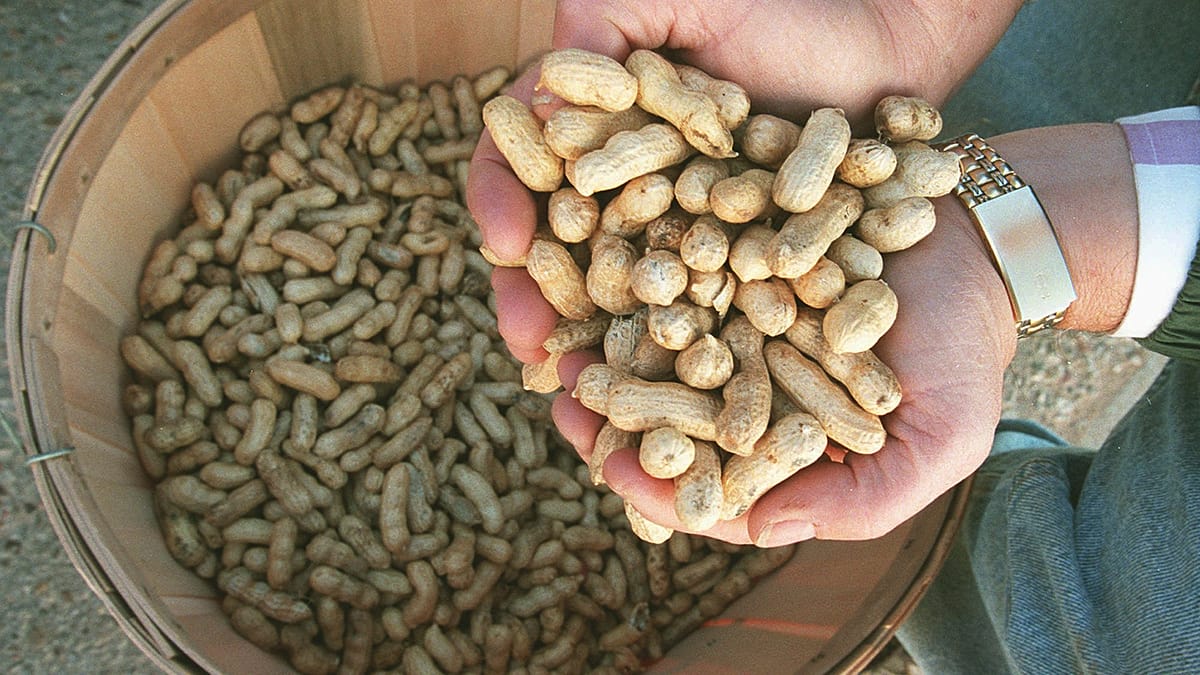
Could a handful of peanuts a day keep age-related memory decline at bay? A new study from the Netherlands suggests that regular peanut consumption may enhance the brain's sensitivity to insulin in regions crucial for memory, offering a potential dietary strategy to support cognitive health in later life.
The research, published in the journal Food & Function, was conducted by scientists at Maastricht University's medical centre. They set out to examine how daily peanut intake influences the brain's response to insulin, a hormone that plays a key role in learning, memory, and neuronal communication. As we age, this response often becomes less efficient, a change linked to cognitive decline.
How the study worked
The team recruited 31 healthy volunteers aged between 60 and 75. For 16 weeks, participants ate 60 grams of roasted, unsalted peanuts with their skins every day. This period was compared with a control phase during which they avoided peanuts entirely. Using functional MRI with arterial spin labelling, the researchers measured blood flow changes in the brain after administering insulin via a nasal spray.
The results showed a marked improvement in insulin response in several right-hemisphere regions, including parts of the hippocampus, the parahippocampal gyrus, the lingual gyrus, and the posterior cingulate gyrus. These areas are heavily involved in memory processing and other cognitive functions.
Building on earlier findings
This work follows a 2025 paper in Clinical Nutrition from the same team, which reported a 3.6% increase in total cerebral blood flow and a 5.8% improvement in verbal memory after the same 16-week peanut intervention. The new findings add a mechanistic layer, suggesting that peanuts may help maintain the brain's ability to respond to insulin, a factor that could influence memory and mental performance.
The researchers believe that peanuts' nutritional profile is responsible. They are rich in unsaturated fats, fibre, vitamins, minerals, plant protein, and bioactive compounds. Notably, peanuts contain L-arginine, an amino acid that the body uses to produce nitric oxide, a molecule that regulates blood vessel function and may also play a role in learning and memory.
Caveats and next steps
While the results are encouraging, the study has limitations. The sample size was small—just 31 participants—and the observed changes in insulin response do not prove that peanuts can prevent Alzheimer's disease or other dementias. The authors stress that further research is needed to determine whether these brain changes translate into meaningful, long-term cognitive benefits.
Still, the findings add to a growing body of evidence linking diet to brain health. For older Europeans looking to maintain their mental sharpness, adding a daily serving of peanuts might be a simple, affordable step—though it should be part of a balanced diet and healthy lifestyle.
As the continent's population ages, understanding how everyday foods affect cognitive resilience becomes increasingly important. While this study doesn't offer a magic bullet, it does suggest that the humble peanut deserves a place in the conversation about healthy ageing.