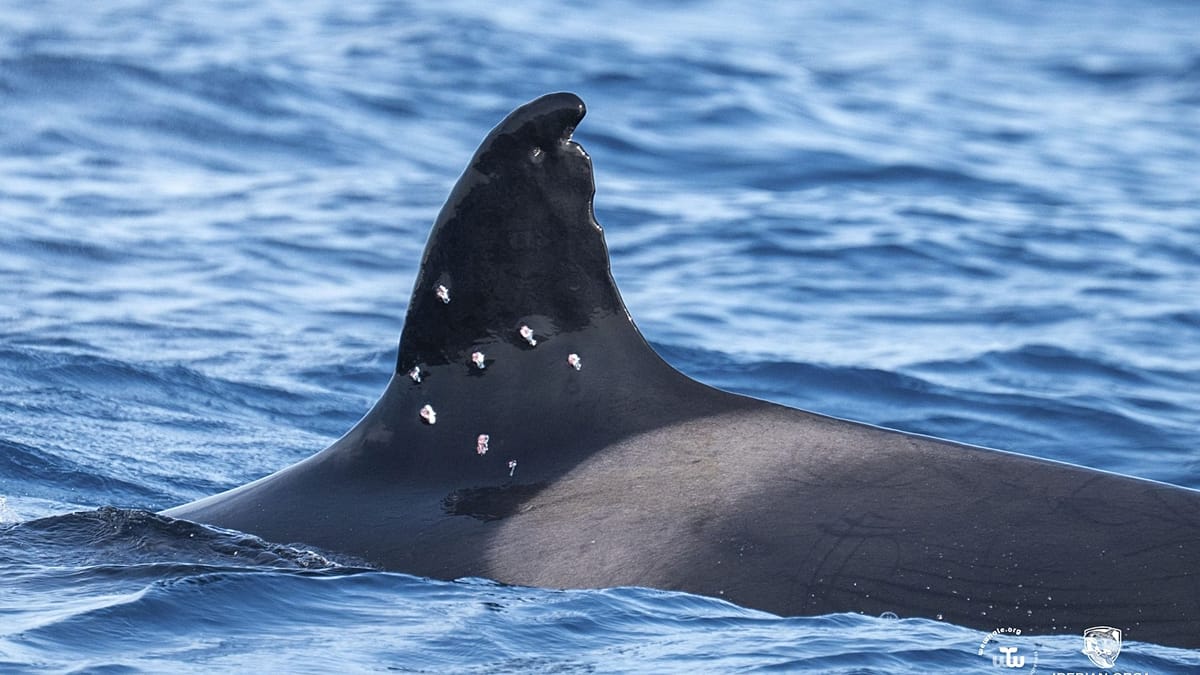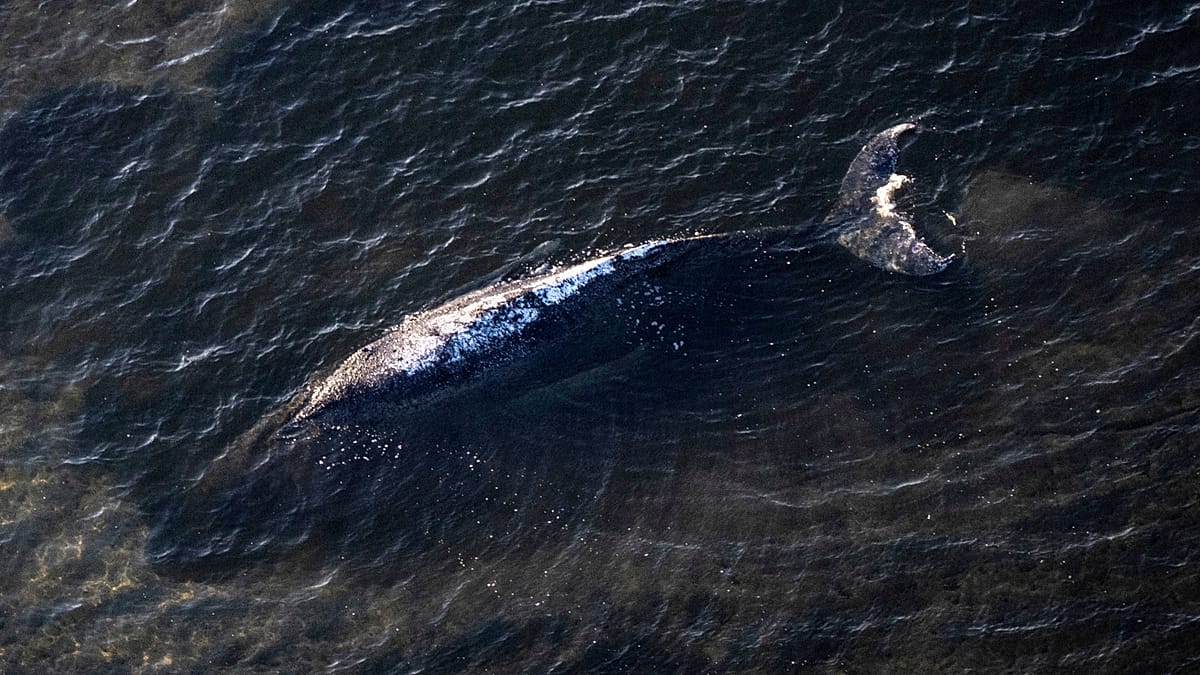
Time is running out for the decomposing humpback whale carcass known as Timmy, stranded off the Danish island of Anholt. Danish environmental and maritime authorities have decided to tow the bloated body into open sea rather than recover it on shore, fearing an uncontrolled explosion near populated beaches.
The whale's body has swollen significantly over recent days as internal gases from decomposition build up. A large stretch of Anholt's coastline has been cordoned off, yet the spectacle continues to draw crowds of onlookers and journalists. A local resident told Danish broadcaster TV2 Østjylland that the carcass shifted roughly ten metres on Wednesday, underscoring the urgency of the operation.
A Risky Towing Operation
The plan involves using ropes to pull Timmy out into the Kattegat, the sea between Denmark and Sweden, to avoid a sudden rupture near the shore. The operation is not without peril: there is a real danger that the carcass could tear apart or explode while being towed, putting emergency crews at risk. After the tow, Danish media report, the remains will be taken to the small port town of Grenaa for a post-mortem examination in the harbour.
The decision to tow follows a controversial rescue effort that began in late March, when Timmy was first sighted in the Baltic Sea. After multiple strandings, a complex operation involving a tugboat and barge released the whale into the North Sea near Skagen at the end of April. However, a GPS tracker attached to the animal malfunctioned, leaving its fate uncertain. A dead humpback later found off Anholt was identified as Timmy, confirming the worst for conservationists who had followed the story closely. Our earlier coverage detailed the GPS tracker confirmation of Timmy's death.
Timmy or Hope? The Gender Question
Adding a twist to the tale, new footage of the carcass has led whale expert Fabian Ritter to question Timmy's sex. Ritter told German outlet t-online on Wednesday he is '95 to 100 per cent' certain the whale is female. He points to two details: in male whales, the penis typically protrudes from the genital slit after death as muscles relax, which is not visible here. Instead, two slits beside the genital opening are likely mammary slits, used by females to nurse calves. The whale was originally named Timmy after a German rescue initiative described it as a young male, though some fans had called it Hope.
The gender confusion highlights the challenges of identifying stranded cetaceans, especially when decomposition alters their appearance. The planned necropsy in Grenaa may provide a definitive answer.
This incident is part of a broader pattern of whale strandings in European waters. In the Mediterranean, Cyprus has seen a surge in dolphin and whale sightings, prompting new protection rules. Meanwhile, concerns over captive marine mammals persist, as seen with the planned move of orcas from a closed French park to a Spanish zoo, raising welfare questions.
For now, Danish authorities are focused on the immediate task: towing a highly volatile carcass through busy shipping lanes without incident. The operation is expected to proceed within days, weather permitting.