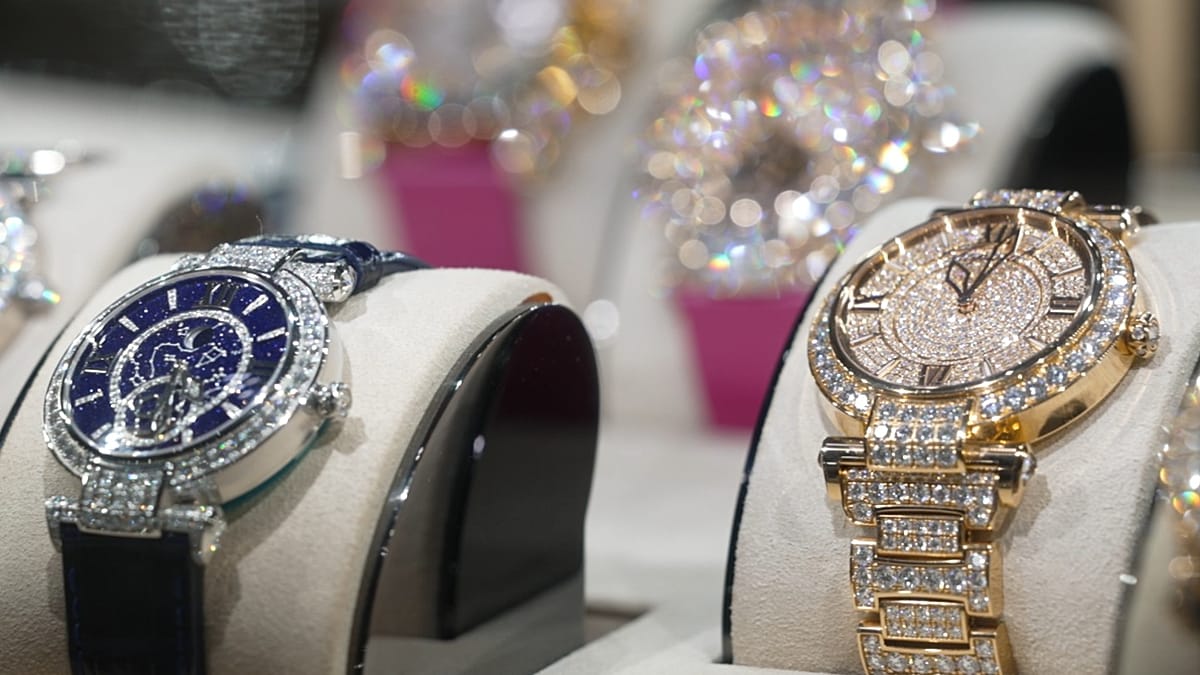
The Doha Jewellery and Watches Exhibition may be a showcase of glittering luxury, but the most compelling narratives are not found in the gems themselves. Now in its 22nd edition, the event brings together more than 500 brands from 30 countries, offering a rare glimpse into the personal and cultural stories that define the pieces on display.
For Hussain Alfardan, a Qatari businessman and jeweller, the exhibition is a homecoming of sorts. Growing up in a family steeped in the pearl trade, Alfardan's connection to the craft is deeply personal. He recalls how his childhood was surrounded by the rhythms of the sea and the meticulous work of pearl divers. One piece he presented at the show took seven years to complete, a testament to the patience and skill that modern consumers often overlook.
Alfardan's story reflects a broader trend in the Gulf, where traditional jewellery is being reimagined for contemporary tastes. Indian fashion designer Manish Malhotra, a prominent figure in Bollywood and beyond, explains how he adapts ancestral designs to appeal to a younger, global audience. By blending classic motifs with modern silhouettes, Malhotra is helping to keep these traditions alive, even as fashion cycles accelerate.
Qatari designer Noora Al-Ansari takes a different approach, drawing inspiration from her immediate surroundings. Her work incorporates the colours of the Qatari desert, the geometric patterns of local architecture, and the nation's pearling heritage. For Al-Ansari, jewellery is not just adornment but a way to preserve and communicate her country's identity in a rapidly changing world.
Technology meets tradition
The exhibition also highlights the technological advances reshaping the industry. With the rise of lab-grown diamonds, distinguishing natural stones from synthetic ones has become a pressing challenge for buyers and sellers alike. The show features cutting-edge devices that can identify a diamond's origin in seconds, offering transparency in a market where trust is paramount.
This intersection of tradition and innovation is not unique to Doha. Across Europe, from Antwerp's diamond district to Paris's haute joaillerie, the industry is grappling with similar questions about authenticity and sustainability. The ability to trace a gem's journey from mine to boutique is becoming a selling point, particularly for younger consumers who value ethical sourcing.
The Doha exhibition also underscores the growing role of the Gulf as a hub for luxury trade, a development with implications for European brands seeking new markets. As European economies face headwinds, the appetite for high-end goods in the Middle East offers a counterbalance, though it also raises questions about the industry's environmental footprint.
For the designers and traders at the show, however, the value of a piece is rarely about its price tag. As Alfardan puts it, a necklace might carry a family's history, a ring might mark a milestone, or a bracelet might embody a cultural ritual. These are the stories that endure long after the sparkle fades.
The exhibition runs for several days, drawing collectors, connoisseurs, and curious visitors from around the world. While the gems are undeniably dazzling, it is the human element—the memories, the craftsmanship, the passing of traditions from one generation to the next—that leaves the most lasting impression.