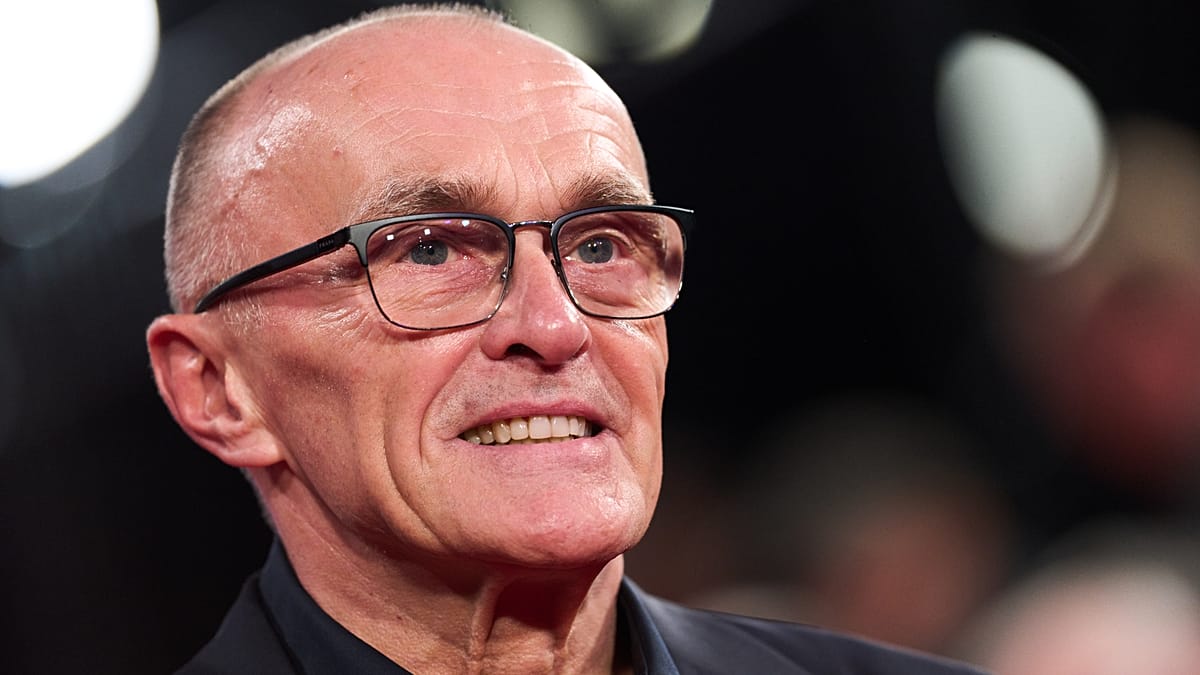
At the London Film Festival on Monday, director Danny Boyle used the premiere of his new film Ink to warn about the erosion of truth in modern media, tracing a direct line from Rupert Murdoch's tabloid empire to the attention economy that now dominates news consumption across Europe and beyond.
Speaking before the screening, Boyle described Ink as a story about the formative years of a media culture where attention and commercial success came at a heavy price. The film zeroes in on the rise of the British tabloid The Sun during a decisive year when it overtook its rival, the Daily Mirror, reshaping the landscape of British journalism and setting a template that would echo internationally.
A pivotal year in Fleet Street history
The narrative focuses on the late 1960s, when Murdoch, an Australian publisher with ambitions beyond his home market, acquired The Sun and installed Larry Lamb as editor. Together, they transformed a struggling broadsheet into a brash, scandal-driven tabloid that prioritized circulation over substance. The film captures the relentless pursuit of sales, often at the expense of accuracy and fairness, a dynamic that Boyle argues has only intensified in the digital age.
Guy Pearce, who plays Murdoch, offered a nuanced portrayal of the media mogul. He described Murdoch as ambitious but initially keen to uphold journalistic integrity, a tension that gradually gave way to the demands of the market. Pearce noted that the character's evolution reflects a broader shift in the industry, where the line between news and entertainment blurred, and the chase for readers became an end in itself.
Jack O'Connell, who plays Larry Lamb, elaborated on the editorial philosophy that drove The Sun's success. He explained that the pursuit of sales and scandal came at the expense of journalistic standards, a trade-off that resonated with contemporary debates about clickbait and misinformation. O'Connell's performance highlights the moral compromises made by those who built the tabloid model, a model that has since spread across Europe and the world.
Boyle's critique extends beyond the UK. He drew parallels between the tabloid era and today's media environment, where algorithms reward outrage and engagement, often at the cost of factual reporting. The director suggested that the seeds of the current crisis were sown in those early days of The Sun, when the industry learned that controversy sells.
The film also touches on the broader European context, where similar tabloid dynamics have played out in countries like Germany, France, and Italy, albeit with national variations. In Germany, for instance, the Bild newspaper has faced similar accusations of sensationalism, while in France, the press has historically maintained a stronger separation between news and entertainment. Boyle's story, though rooted in London, speaks to a continental phenomenon.
As Europe grapples with the challenges of digital disinformation and the decline of traditional media revenue, Ink serves as a timely reminder of the origins of these trends. The film's release coincides with ongoing debates in Brussels about media regulation and the responsibility of platforms, issues that resonate from the Bundestag to the Élysée.
While Ink is a period piece, its themes are unmistakably current. Boyle's critique of the attention economy echoes concerns raised by journalists and policymakers across the continent, who worry that the pursuit of clicks has undermined public trust in the media. The film invites viewers to reflect on the choices made by media leaders and the consequences for democratic discourse.
For those interested in the broader economic pressures shaping Europe's media landscape, the story of The Sun's rise offers a historical backdrop to today's challenges. Just as energy markets have seen volatile shifts that affect households and industries, the media sector has undergone its own transformations, driven by technological change and commercial imperatives.
Boyle's film is not merely a nostalgia trip; it is a cautionary tale about the price of success. As Ink hits screens, audiences across Europe may find themselves questioning the sources of their news and the values that underpin them. The director's message is clear: the erosion of truth is not an accident, but a choice made by those who profit from it.