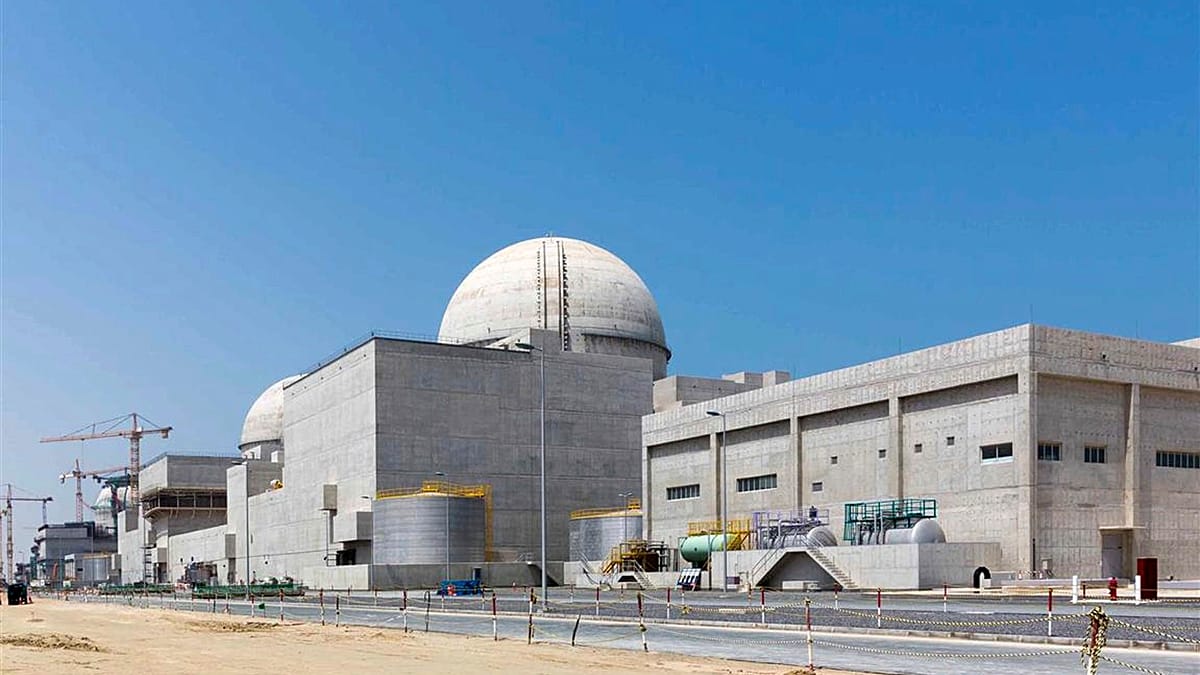
A drone strike on Sunday ignited a fire on the perimeter of the United Arab Emirates' Barakah nuclear power plant, further straining an already fragile ceasefire linked to the Iran conflict. The Abu Dhabi Media Office confirmed that an electrical generator caught fire outside the main facility, but stressed there were no injuries or radiation leaks, and the plant continued operating normally.
The International Atomic Energy Agency (IAEA) verified that the fire affected an electrical generator and noted that one reactor briefly relied on emergency diesel generators. The IAEA stated it had been informed that radiation levels at Barakah remain normal and no injuries were reported after the drone strike.
IAEA Chief Expresses Grave Concern
IAEA Director General Rafael Grossi expressed his grave concern about the incident, calling it unacceptable for military activity to threaten nuclear safety. He urged all parties to exercise maximum military restraint near any nuclear power plant to avoid the danger of a nuclear accident.
No group immediately claimed responsibility, and the UAE did not publicly assign blame. However, tensions with Iran have escalated sharply in recent weeks following repeated drone and missile attacks linked to the wider regional conflict. The incident comes as ceasefire talks between Iran and the United States remain stalled, raising fears the conflict could reignite.
The escalation is compounded by Iranian state media's continued circulation of wartime imagery, including broadcasts showing presenters receiving firearms training and appearing armed on air. This propaganda campaign adds to the volatile atmosphere surrounding the negotiations.
The Barakah plant, located in the Al Dhafra region of Abu Dhabi, is the first nuclear power plant in the Arab world and has been a symbol of the UAE's energy diversification efforts. The incident underscores the vulnerability of critical infrastructure in a region marked by proxy conflicts and drone warfare.
European observers are watching closely, as any nuclear accident in the Gulf could have far-reaching consequences for global energy markets and security. The EU has long advocated for diplomatic solutions to the Iran nuclear issue, and this event may prompt renewed calls for restraint from Brussels.
For context, drone strikes have become a recurring feature of conflicts across the Middle East and beyond. In a related development, Russian drone barrages have hit residential areas in Kharkiv, while Ukraine launched a record drone attack on the Moscow region, highlighting the global proliferation of this technology.
The IAEA's Grossi has called for an independent investigation into the incident, and the agency is in contact with UAE authorities. The European Union, through its External Action Service, has expressed solidarity with the UAE and urged all parties to de-escalate.
As the Iran ceasefire talks remain deadlocked, the risk of further miscalculations grows. The Barakah incident serves as a stark reminder that nuclear safety must remain a priority, even amid geopolitical tensions.