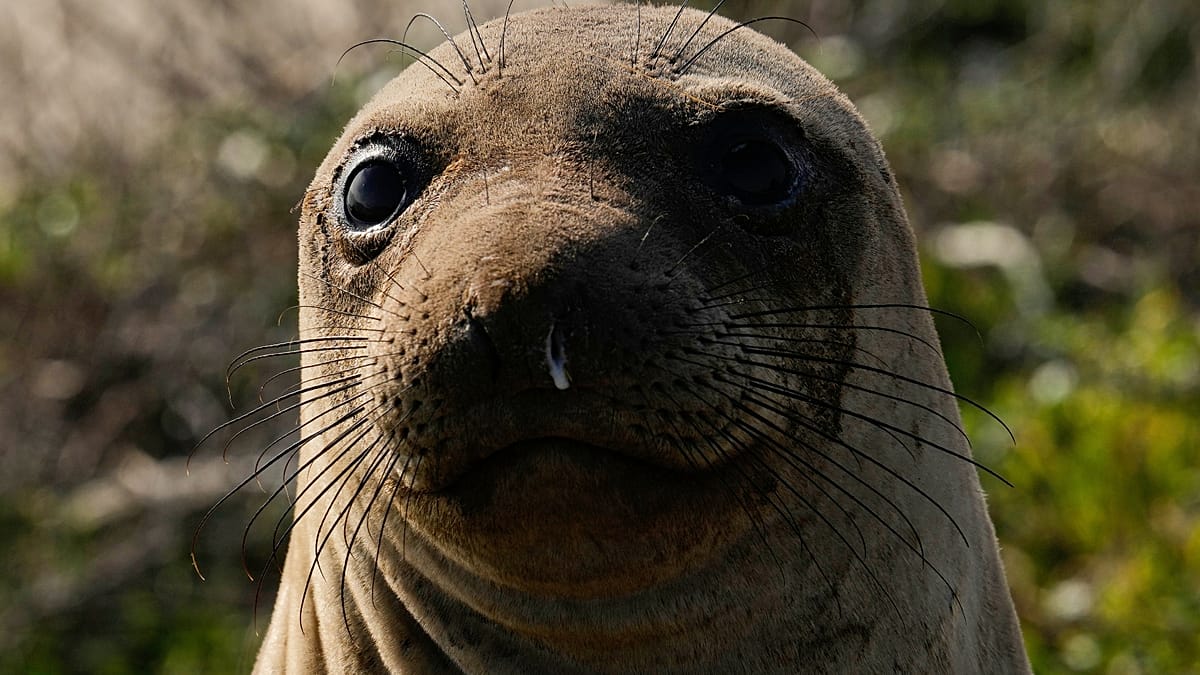
Rio de Janeiro's beaches are no strangers to unexpected visitors, but this week's guest was a first for many: a young elephant seal, thousands of kilometres from its usual sub-Antarctic home, hauled itself onto the sand at Barra da Tijuca. The sight drew hundreds of onlookers, who gathered at a respectful distance to watch the marine mammal rest and occasionally roll in the surf.
Elephant seals are typically found in the cold waters of the South Atlantic and Southern Ocean, with breeding colonies on islands such as South Georgia. Their appearance in tropical Brazil is extremely rare, and marine biologists say the animal may have strayed far north due to ocean currents, food scarcity, or simply youthful wandering. "This is an exceptional event," said Dr. Mariana Silva, a marine biologist at the Federal University of Rio de Janeiro. "We usually associate these animals with Patagonia or the Falklands, not with Copacabana."
A spectacle with a serious side
The seal's presence has turned the beach into an impromptu wildlife viewing site, with locals and tourists snapping photos and sharing videos on social media. But authorities have urged the public to keep their distance, noting that elephant seals can be aggressive when threatened. Municipal guards and environmental agents have cordoned off the area to protect both the animal and the curious crowds.
The episode echoes other recent incidents of marine animals appearing in unexpected places. In Busan, South Korea, a lost bull shark drew over a million visitors to a canal, highlighting the growing public fascination with such encounters. Similarly, a storm in Nantucket revealed a 19th-century shipwreck on a Massachusetts beach, reminding us of the ocean's power to surprise.
For Rio, the seal's visit is a reminder of the rich biodiversity that surrounds the city, even as its waters face pollution and overfishing. Environmental groups have used the moment to call for stronger marine protections, pointing to the contaminated beaches in Ceuta as a cautionary tale of what happens when coastal ecosystems are neglected.
What happens next?
Biologists are monitoring the seal's health and hope it will eventually return to deeper waters. The animal appears well-fed and active, but prolonged exposure to warm waters could be stressful. "We're not planning to intervene unless it shows signs of distress," said Dr. Silva. "The best we can do is give it space and let nature take its course."
Meanwhile, the spectacle has also drawn comparisons to other recent events that brought people together, such as the Feast of Saint Francis drawing pets to churches across Europe. Both stories highlight the human desire to connect with the natural world, even in urban settings.
As the sun sets over Rio, the seal remains a star attraction, a gentle reminder of the vast, unpredictable ocean that laps at the city's shores. For now, the beach is a little more crowded, and a little more wild.