Reports of an Iranian tanker breaking through the US naval blockade in the Strait of Hormuz have been dismissed as a spoof, according to the tracking service TankerTrackers. The vessel, identified as the "Khat-Shekan," appeared on MarineTraffic data on Saturday, but TankerTrackers said the transmission was false and that no such ship exists.
"All of the data supplementing that AIS transmission is wrong and there's nothing on satellite imagery to corroborate those movements," TankerTrackers said in a social media post. The firm added that "the Iranians know better than to attempt to ship out a VLCC right now given how many were fired upon in recent months."
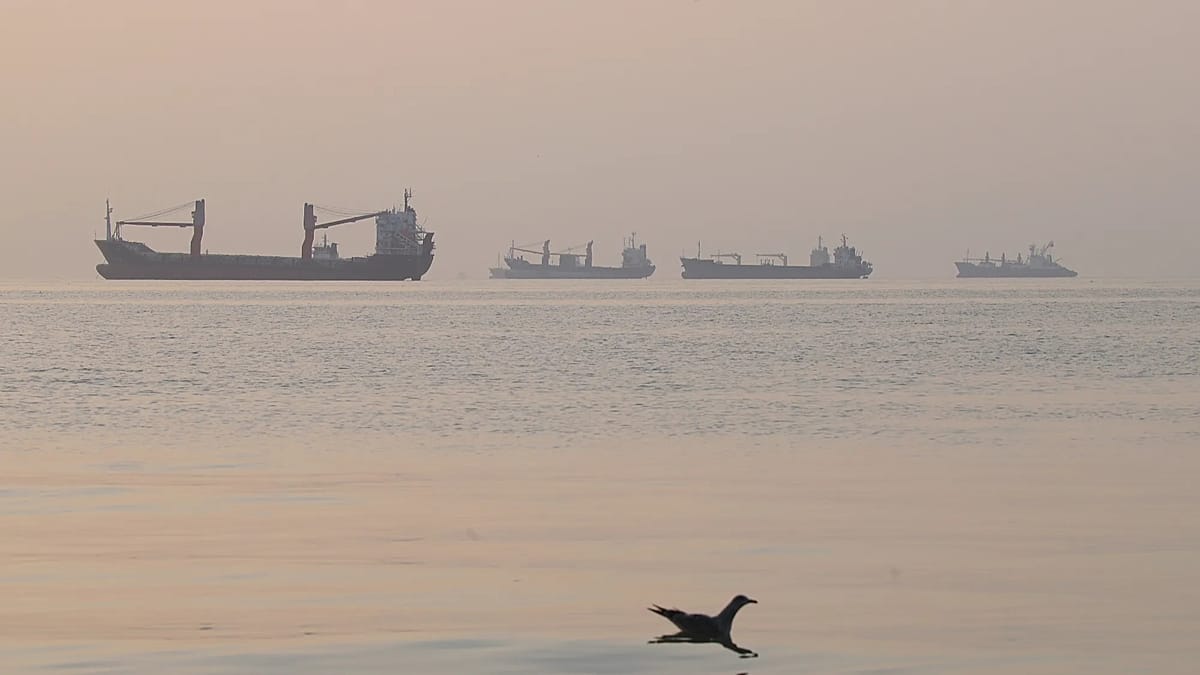
The apparent spoof came as satellite images and shipping data showed more than 14 oil tankers gathered around Kharg Island, Iran's main export terminal. That buildup has fueled speculation that Tehran might try to challenge the blockade, which the US military says has now been in place for 130 consecutive days.
Blockade rhetoric intensifies
Iran's foreign minister, Abbas Araghchi, said on Friday that the blockade "must be broken." "We are making every effort to export oil and to conduct negotiations, and the blockade must be broken," he said. The US military, for its part, says the blockade is preventing the Islamic Revolutionary Guard Corps from exporting "billions of dollars in crude oil."
US President Donald Trump has described the blockade, which restricts shipping to and from Iranian ports in the waters around the Strait of Hormuz, as an "impenetrable steel wall." The strait is a vital chokepoint for global oil and gas shipments, and tensions have been high since the outbreak of the Iran war in late February.
The situation has drawn international attention, with European nations closely monitoring the risk of escalation. The European Union has repeatedly called for de-escalation and has sought to maintain diplomatic channels with Tehran, even as the US has pursued a policy of maximum pressure.
Recent weeks have seen a series of incidents in the region, including US strikes on an Iranian island after mines damaged ships in the strait, and Iranian strikes on US bases in Bahrain as a tanker convoy prepared to run the blockade. The convoy at Kharg Island remains a flashpoint, with any attempt to break the blockade likely to provoke a military response.
European analysts have warned that a full confrontation could disrupt global energy supplies and have severe economic consequences for Europe, which relies heavily on oil and gas imports from the region. The EU has also been active in trying to protect shipping in the strait, though its efforts have been limited by the lack of a unified naval strategy.
The spoof incident highlights the information warfare that has become a key element of the conflict. Both sides have used false signals and propaganda to shape perceptions, making it difficult for outside observers to assess the true situation on the ground.
As the blockade continues, the risk of miscalculation remains high. European diplomats have urged restraint, but with no end in sight to the war, the prospect of a wider conflict looms large.