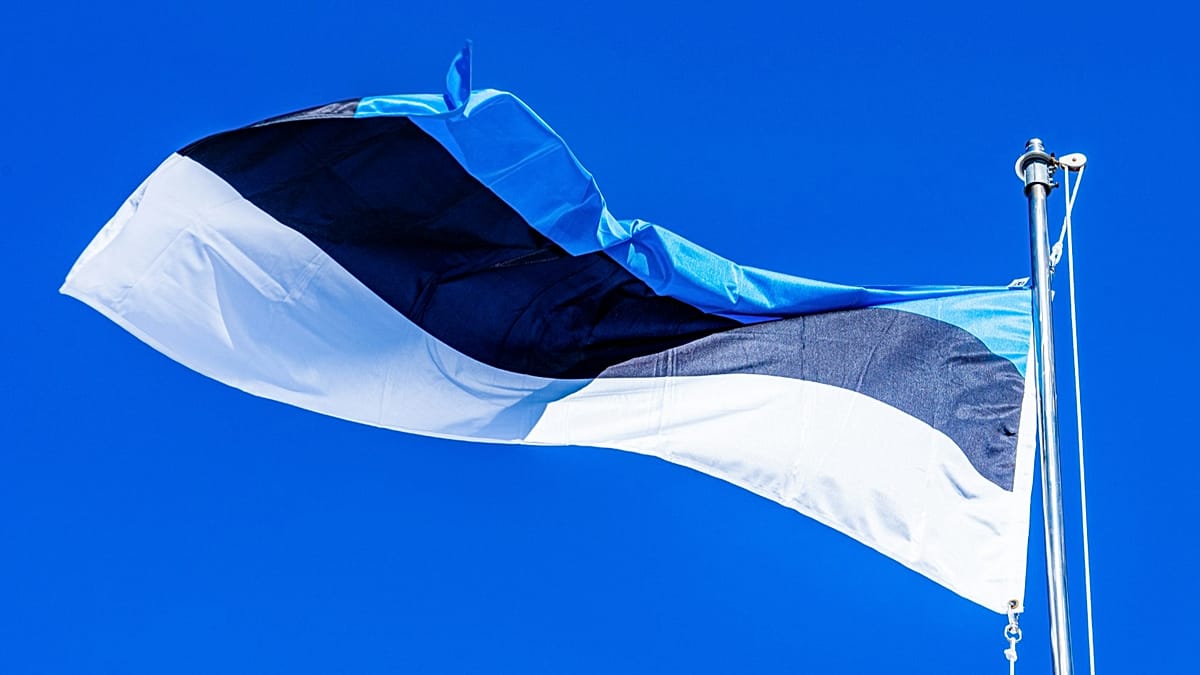
As European governments grapple with how to integrate artificial intelligence into education, Estonia has launched a programme that stands out for its pragmatism and ambition. The AI Leap initiative, which targets 48,000 students and 6,700 teachers across the country of 1.36 million people, aims to transform both teaching practices and student habits over two years. Rather than shielding young people from AI—a futile effort given that 64 to 90 percent of Estonian students already use such tools—the programme leans into the technology while embedding critical thinking at its core.
Why Critical Thinking Matters
Anyone over 30 has heard managers or professors lament that younger generations are quick to use AI but struggle to question or explain its outputs. The concept of human oversight remains abstract: what does proper oversight look like, and how do you teach it? Without strong foundations, AI risks amplifying existing societal problems, such as an over-reliance on information sources—be it traditional media, social media, or chatbots. This lack of critical thinking makes individuals and societies more vulnerable to external threats, while careless AI use exposes workplaces to commercial, reputational, and legal consequences.
European governments face two broad options: passive engagement through soft lectures on ethics and threats, or a proactive approach that uses AI tools to steer students toward responsible use. Estonia has chosen the latter, and its model offers lessons for other member states.
The Five Pillars of AI Leap
The programme relies on five main tools. First, study circles—professional learning communities for teachers that meet once or twice a month to co-create new teaching strategies. Second, a centralised online resource platform with videos, reading materials, self-assessment tests, and an interactive forum for sharing best practices. Third, premium access to advanced AI tools like ChatGPT and Gemini for over 4,000 teachers, helping with lesson planning. Fourth, a Socratic AI chatbot designed to guide students through questions rather than providing direct answers, encouraging self-management, persistence, and the ability to contextualise complex concepts. Fifth, non-formal engagement activities that extend learning beyond the classroom.
This structure mirrors some elements of Malta's national AI literacy programme, which offers free ChatGPT Plus to citizens, but Estonia's focus on teacher empowerment and critical thinking sets it apart.
Management and Regional Adaptation
Good strategies often fail in implementation, but AI Leap addresses this with a management structure that respects local differences. The programme operates at four levels: school principals lead implementation and teacher engagement; seven educational regions, each with a regional manager, coordinate seminars and meetings across schools; a public-private partnership brings together the Ministry of Education, the AI Advisory Council, the AI Leap foundation, and entrepreneurs; and a dedicated think tank provides operational flexibility that ministries often lack.
This regional approach is crucial for many European countries, where digital literacy and resources vary between big cities and smaller towns. Estonia's model ensures that even less advanced regions receive support, avoiding the common pitfall of leaving them to fend for themselves.
The funding model is equally innovative: the state covers 50 percent of costs, with the private sector providing the rest. Leading partners like Telia, Targa Tuleviku Fond, and Skaala contribute between €25,000 and over €100,000, while OpenAI and Google help build and localise custom educational tools. This allows businesses to give back to the community while exploring practical solutions to techno-pessimist concerns.
Estonia's approach is not just about AI literacy—it is about anchoring student habits in critical thinking to prevent lazy AI use. As other European nations debate budgets and ethics, the AI Leap programme offers a tested, replicable framework. For a continent where labour tax divides and regional energy disputes often dominate headlines, Estonia's quiet revolution in education may prove equally significant.