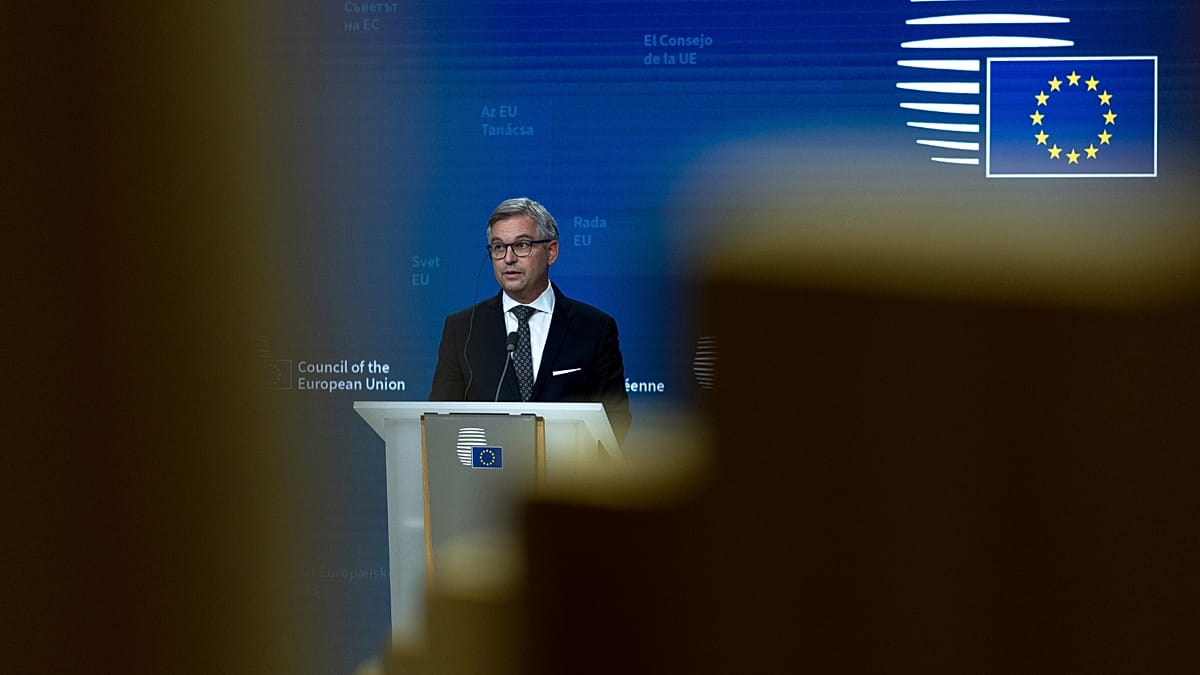
On 4 June, the European Council approved the framework for a new EU drugs strategy, responding to a rapidly evolving illicit drug market that now includes potent synthetic opioids like nitazenes. The decision follows the release of the 2026 European Drug Report by the European Union Drugs Agency (EUDA), which estimates 7,600 fatal overdoses annually and warns of a growing threat from new psychoactive substances.
The report, published on 9 June, highlights a significant transformation in Europe's drug landscape. Cannabis remains the most widely used substance, with 24.9 million adults aged 15 to 64 reporting use in 2024. However, the emergence of synthetic opioids—often more potent than heroin—has raised alarms among public health and security officials. Seizures of illegal drugs reached nearly 900 tonnes in 2024, reflecting evolving trafficking routes and criminal networks.
Five Pillars of the New Strategy
The new EU drugs strategy, proposed by the European Commission in December 2025 as part of the broader European Internal Security Strategy, aims to tackle the intertwined security, health, and social challenges posed by illicit drugs. It is built on five pillars: stronger preparedness and response, protection of public health, enhanced internal security, prevention of drug-related harm, and stronger international partnerships.
Complementing the strategy is the EU action plan against drug trafficking, which includes 19 practical measures to disrupt criminal networks. This marks a more coordinated approach across the 27 member states, with a focus on intelligence-sharing, border security, and dismantling trafficking routes. For the first time, drug use and trafficking will be discussed at the European Council summit on 18-19 June, underscoring the political priority given to the issue.
The strategy also addresses the rapid pace of synthetic drug innovation. As noted in a recent analysis, synthetic opioids are emerging at a rate of nearly one new compound per week, challenging law enforcement and health systems. The EUDA report emphasizes the need for agile regulatory frameworks and early warning systems to keep pace.
European leaders have previously called for a unified approach to the drug trade, which is estimated to be worth €31 billion annually. The new strategy builds on earlier efforts, such as the EU's drug strategy through 2030, but introduces more concrete measures for enforcement and harm reduction.
The health dimension is critical: the strategy includes provisions for expanding access to treatment and overdose prevention, including naloxone distribution. It also emphasizes prevention programs targeting young people, who are increasingly exposed to synthetic drugs through online markets and social media.
Internationally, the EU aims to strengthen cooperation with source and transit countries, particularly in the Balkans, Latin America, and West Africa. This includes joint operations with agencies like Europol and Frontex, as well as support for alternative development programs in drug-producing regions.
The approval of the strategy comes amid broader discussions on European security and resilience. As the EU grapples with multiple crises—from the war in Ukraine to economic pressures—the drug strategy represents a concerted effort to address a persistent threat that affects public health, social cohesion, and internal security. The upcoming European Council summit will be a key test of member states' commitment to implementing these measures.