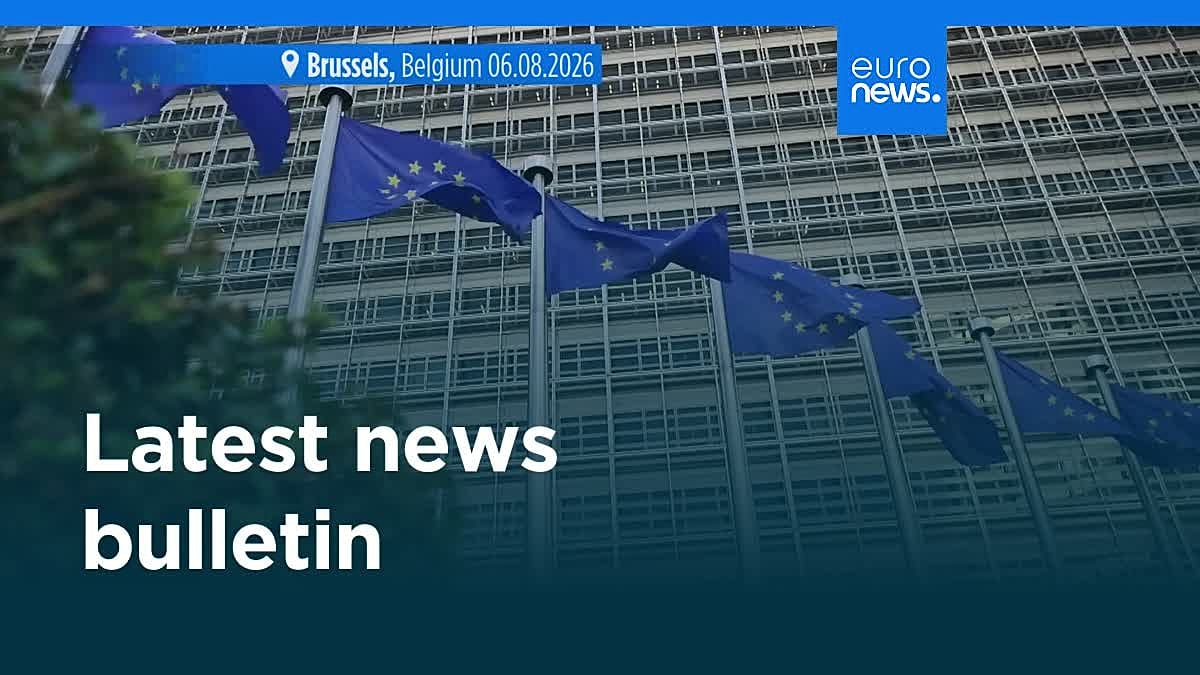
As the sun sets over Europe, several stories are shaping the continent's evening news. From migration pressures at Spain's southern border to consumer protections in France, here's what you need to know.
Ceuta on Alert
Spain's Civil Guard has issued a warning about a potential mass crossing attempt at the enclave of Ceuta on 15 August. The alert comes amid heightened tensions and increased migrant movements in the region. Ceuta, along with Melilla, has long been a focal point for irregular migration into the European Union, and authorities are bracing for a possible surge.
Local officials have not provided specific numbers, but the warning has prompted a review of security protocols. The Spanish government is coordinating with EU border agency Frontex to reinforce patrols and surveillance. Residents in Ceuta have expressed concern, recalling previous mass crossings that overwhelmed local services.
This development follows a series of incidents in the Strait of Gibraltar and the western Mediterranean, where migrant arrivals have been on the rise. The situation underscores the ongoing challenges facing southern EU member states in managing migration flows while upholding humanitarian obligations.
France's Cold-Call Ban
In Paris, the government is preparing to implement a ban on cold calls starting 11 August. The measure, part of a broader consumer protection crackdown, aims to reduce the nuisance of unsolicited sales calls that have plagued French households for years. The ban applies to most sectors, with exceptions for press subscriptions and charity solicitations.
Consumer rights groups have welcomed the move, though some businesses have expressed concerns about the impact on their sales strategies. The French government argues that the ban will restore trust in commercial practices and reduce scams targeting vulnerable populations. Similar regulations have been adopted in other European countries, such as Germany and the Netherlands, with mixed results.
The ban is part of a wider effort by the French government to strengthen consumer rights, following a series of high-profile fraud cases. It also aligns with EU directives on distance selling and consumer protection, which member states are expected to enforce.
Other Notable Stories
In Brussels, the European Commission is expected to release its latest economic forecasts later this week, with analysts predicting a modest growth revision for the eurozone. Meanwhile, in Berlin, the Bundestag is debating a new energy security package aimed at reducing dependence on external suppliers.
In the Balkans, EU-mediated talks between Serbia and Kosovo have resumed, with both sides expressing cautious optimism about reaching a compromise on the association of Serb municipalities. The dialogue, stalled for months, is seen as crucial for the region's stability and EU integration prospects.
In the tech sector, a European consortium of universities and research institutes announced a breakthrough in quantum computing, potentially positioning Europe as a leader in this critical field. The project, funded under Horizon Europe, has achieved a new milestone in error correction, a major hurdle for practical quantum computers.
For more on these and other stories, you can revisit our midday update from August 5 or the morning briefing from the same day. Our evening briefing for August 4 also provides context on ongoing developments.
As Europe heads into the weekend, these stories will continue to evolve. Stay with European Pulse for the latest updates and in-depth analysis.