As the sun sets over Europe, a flurry of developments across the continent demands attention. From the corridors of power in Brussels to the bustling markets of Frankfurt, here is your evening briefing for August 4, 2026.
Political shifts in Berlin and Paris
In Germany, Chancellor Olaf Scholz faced a turbulent day in the Bundestag as coalition partners clashed over the proposed 2027 budget. The Greens and the Free Democrats remain at odds over defence spending and climate investments, with Finance Minister Christian Lindner insisting on fiscal restraint. The debate is expected to continue into the week, with a vote scheduled for Friday.
Meanwhile, in Paris, President Emmanuel Macron convened an emergency meeting at the Élysée Palace to address the ongoing unrest in New Caledonia. The French government is seeking a new political accord with local leaders, but tensions remain high after months of protests. Macron's office confirmed that a special envoy will travel to Nouméa later this week to restart dialogue.
Economic news from the Eurozone
The European Central Bank released its latest lending survey, showing that credit conditions for businesses in the euro area have tightened further. Banks in Italy and Spain reported the most significant restrictions, citing higher risk perceptions and rising funding costs. Economists warn that this could dampen investment and slow the region's recovery, though the ECB has signalled it will monitor the situation closely.
In corporate news, the German industrial giant Siemens announced a major investment in a new hydrogen plant in Hamburg, aiming to produce green steel by 2030. The project, backed by EU funds, is seen as a test case for the bloc's ambitious climate goals. Local officials hailed the move as a boost for the region's energy transition.
Cultural and social developments
In a poignant reminder of Europe's history, commemorations continued across the continent marking the Roma and Sinti genocide. While the official ceremony took place on 2 August, many communities are extending the remembrance with exhibitions and educational events. Our coverage of the ongoing remembrance highlights how these efforts aim to combat persistent discrimination.
In the arts, the Edinburgh International Festival opened its doors today with a programme celebrating European cultural diversity. Organisers say this year's edition features more than 2,000 artists from 40 countries, including a special focus on Balkan cinema. The festival runs until the end of August.
Security and diplomacy
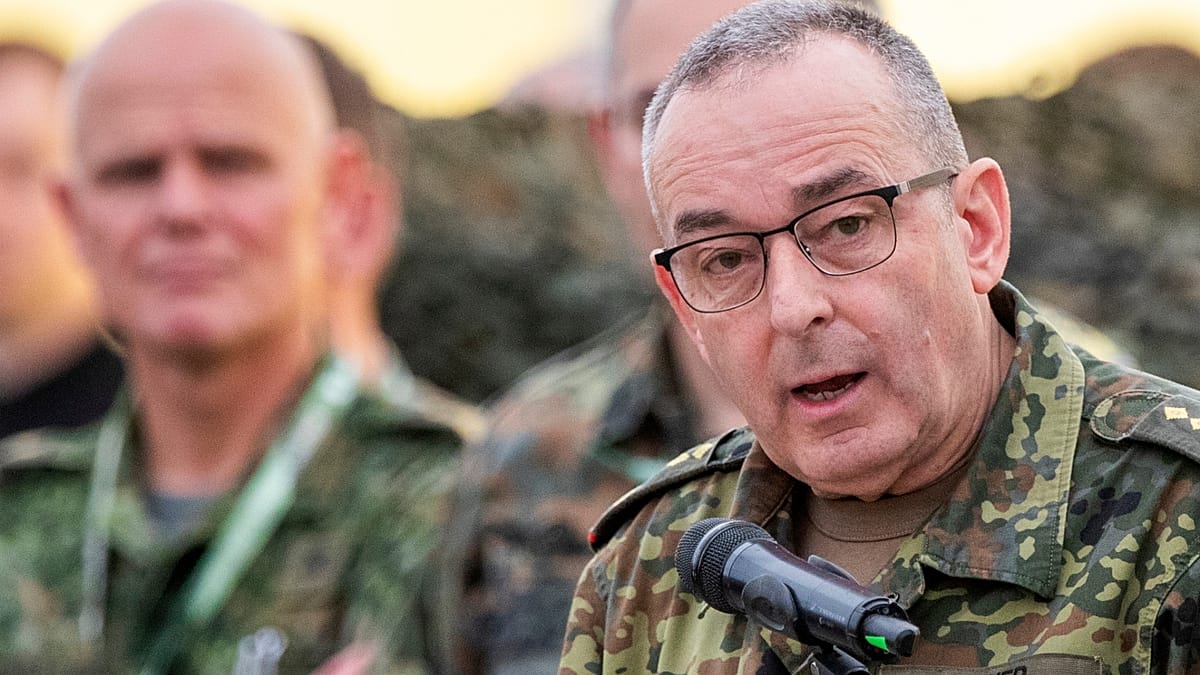
On the security front, NATO announced the completion of a major military exercise in the Baltic Sea, involving troops from nine member states. The manoeuvres, which included naval drills near the Finnish coast, were described as defensive in nature. A NATO spokesperson emphasised the alliance's commitment to protecting its eastern flank.
In diplomatic news, the EU's foreign policy chief Josep Borrell concluded a two-day visit to Kyiv, where he reaffirmed the bloc's support for Ukraine. Talks focused on energy cooperation and the country's path towards EU accession. Borrell stressed that the Union remains united in its backing for Ukraine's sovereignty.
For a broader look at today's events, you can revisit our midday bulletin and morning briefing for earlier updates. As the evening unfolds, stay tuned for further analysis and breaking news from across the continent.