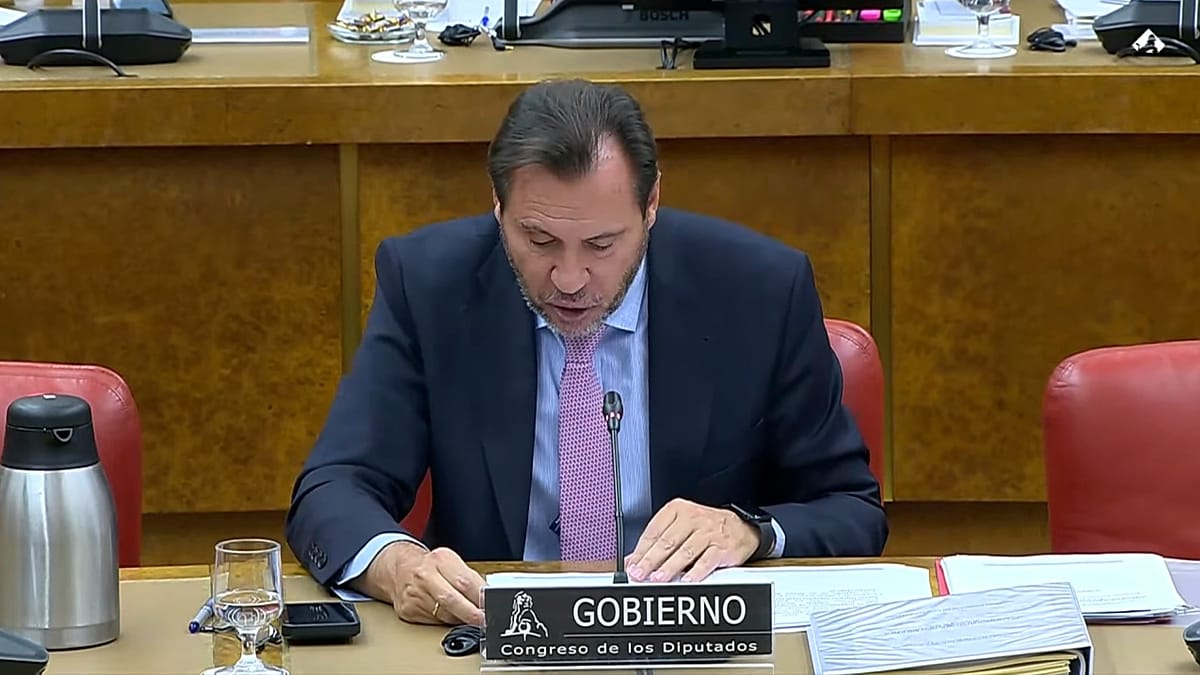
Spain's Transport Minister Óscar Puente resigned on Tuesday, taking political responsibility for last week's train crash near Urda in the central province of Toledo, which left 69 people dead and around 200 injured. The announcement came during an appearance before the Permanent Deputation of the Congress of Deputies, the standing committee that represents the lower house when it is not in full session.
Puente, a member of Prime Minister Pedro Sánchez's Socialist party, said stepping down was "good for the country and for democracy." He framed his decision as an act of political accountability, adding, "It is not true that all politicians are the same." He also declared he would not stand as a candidate at the next election, saying he wanted "to live up to my party."
Safety system failure revealed
During the session, Puente defended the safety of the Madrid-Seville high-speed line, where the crash occurred. He insisted it was "neither an abandoned nor a forgotten piece of infrastructure," pointing to a €780 million renewal plan launched by the government. However, he also disclosed that the control centre run by Adif, Spain's state-owned rail infrastructure manager, had allowed the AVE high-speed train to continue its journey even though its LZB automatic safety system had failed. A train operated by the private company Iryo had stopped further along the track. The AVE then travelled about 25 kilometres at more than 160 km/h before the collision.
Puente defended the reliability of the LZB system and announced new technology to strengthen rail safety. He ended his speech with a farewell: "I trust my country will live up to the occasion. I have tried to live up to it. Farewell."
Second disaster on the same line
The Urda crash came nine months after a derailment near Adamuz, in the southern province of Córdoba, killed 46 people in January. That accident also occurred on the Madrid-Seville line, raising questions about the route's safety record. The identification of all 69 victims has been confirmed by authorities, including Czech and four US citizens.
Political fallout and opposition attacks
The opposition was quick to criticise Puente. Ester Muñoz, spokesperson for the conservative People's Party (PP), said the minister's job "is not to explain fatal accidents, it is to prevent them." Pepa Millán, spokesperson for the far-right Vox party, accused Puente of "shirking his responsibilities" and criticised his behaviour after the crash, saying, "He has neither dignity nor shame."
The PP and Vox had demanded his resignation, as had two parties whose votes the Sánchez government has relied on: the Basque Nationalist Party (PNV) and the Catalan pro-independence party Junts. The pressure from these parliamentary allies made Puente's position untenable.
Meanwhile, the works council at Adif has agreed to push for a strike on 17 November to demand better rail safety, although the strike has not yet been formally called. This industrial action could disrupt services across Spain's high-speed network, which is a key part of the country's transport infrastructure and a popular choice for travellers, as Europeans flock to Spain for both business and leisure.
The resignation marks a significant political moment for the Sánchez government, which has faced mounting criticism over its handling of transport safety. Puente's departure is seen as an attempt to restore public confidence in the ministry and the broader administration. However, questions remain about the systemic failures that allowed the Urda tragedy to happen, and whether the promised safety upgrades will be enough to prevent future accidents.
As Spain mourns the victims and investigates the causes, the spotlight now turns to Adif and the regulatory oversight of high-speed rail. The coming weeks will be crucial in determining whether the government can rebuild trust and ensure the safety of one of Europe's most advanced rail networks.